Picking the right fire damper in 2026 isn't just a matter of flipping through a catalog. For global buyers, it’s a bit more complicated—you're comparing things like building use, wall construction, airflow direction, how easy it is to maintain, and certification standards. A small apartment shaft might need a totally different damper than a hospital corridor or an industrial kitchen. Little details really do matter here—like the frame depth or how well the blades close. These things can make all the difference.
Steve Schulte, an industry pro who used to be a fire protection engineer and now consults on damper testing, always says, “A damper is only as good as how it’s installed and the space around it.” That’s a pretty practical way to look at it, don’t you think? Even the best-tested damper can fail if the sleeve gets warped, the actuator gets jammed, or if folks forget to leave room for inspections. And honestly, that’s a common oversight.
In this guide, I’ll walk you through the main types of fire dampers you’ll see around the world—things like curtain dampers, multi-blade models, static, dynamic, and combo fire-smoke dampers. We’ll also look at products from major brands like Ruskin, Greenheck, TROX, and Halton, which are built for different airflow systems and project needs.
One important thing to keep in mind: certification standards aren’t the same everywhere. What’s accepted in North America might differ from Europe, Asia, or the Middle East. It’s crucial to check testing reports, installation instructions, temperature ratings, and what local authorities actually accept—don’t just rely on labels. They can be misleading.
The truth is, there’s no one perfect damper out there. Sure, a cheaper option might seem tempting when you’re comparing prices. But if it’s installed in a hard-to-reach spot, the long-term costs for inspections and maintenance can add up. So, this guide isn’t about marketing hype—it’s about smart, practical choices. And of course, as standards evolve, building designs change, and manufacturers update their tech, some of these conclusions might need tweaking. That’s just part of the journey.
What Is a Fire Damper and Why Does It Matter in 2026?
A fire damper is a tested mechanical barrier inside an air duct. It closes when rising heat reaches its rated trigger point. The device limits flames and hot gases moving between fire compartments. It does not replace sprinklers, alarms, or smoke control systems.
NFPA’s Fire Loss in the United States During 2023 reported 1,388,500 fires and about 22.4 billion dollars in direct property damage. That scale explains why damper selection matters in 2026. Global buyers should compare curtain, multi-blade, dynamic, static, and combination fire-smoke dampers. UL 555 and EN 15650 provide important testing references, but local authorities may require additional approvals. A Buried Fire Water Tank can support firefighting capacity, yet it cannot correct a poorly installed damper. Field commissioning often exposes problems near access panels, insulation, and flexible connections. Small details fail.
Tips: Confirm the wall rating, airflow direction, temperature rating, and maintenance access before ordering. Ask for certified test reports, installation instructions, and replacement-part information. Inspectors should verify closure, fusible links, actuators, and nearby ductwork during scheduled checks. A checklist helps, but it can still miss a blocked blade or damaged seal. I would not assume a higher-rated damper always delivers better protection. Compatibility with the building design matters more.
How Fire Dampers Work in HVAC and Smoke-Control Systems
2026 Best Fire Damper Types for Global Buyers?
How Fire Dampers Work in HVAC and Smoke-Control Systems
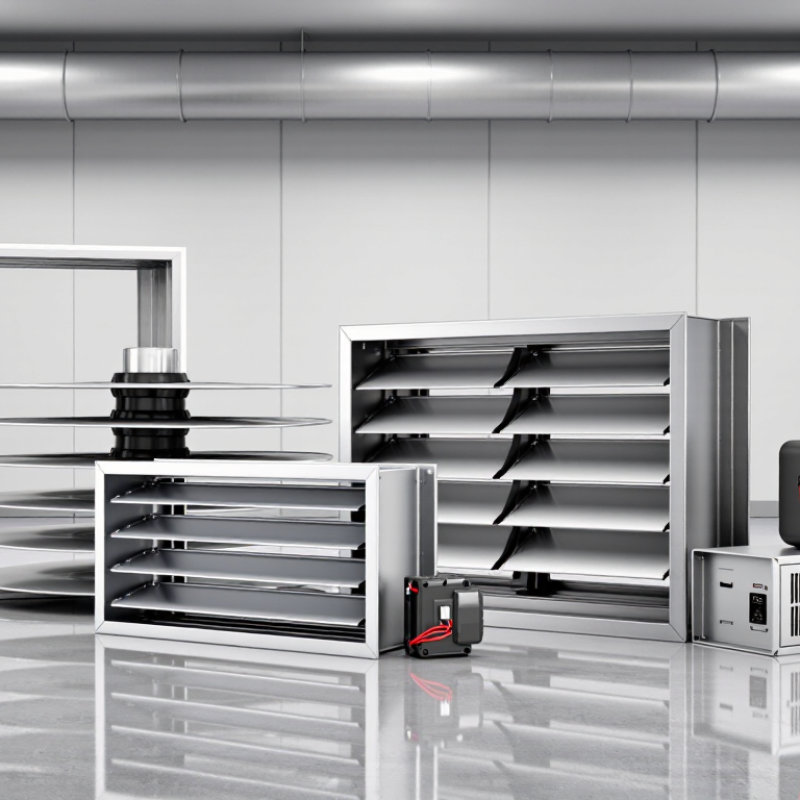
Fire dampers protect HVAC openings when rising temperatures threaten compartment walls or floors. A heat-sensitive release mechanism closes the blades, limiting flame and hot-gas movement through ducts. Smoke dampers respond differently. They use an actuator and control signal to restrict smoke migration, often during alarm conditions. Combination fire-smoke dampers perform both functions.
The distinction matters. Static-rated fire dampers suit systems that shut down during fire conditions. Dynamic-rated models can close while air continues moving, but airflow and pressure must match the tested rating. NFPA 90A and NFPA 92 provide important installation and smoke-control guidance. ASHRAE Handbook research also stresses correct leakage classification, pressure relationships, and commissioning. A damper is not a complete smoke strategy.
In 2023, NFPA estimated 1,388,500 reported fires in the United States, with approximately 22.4 billion dollars in direct property damage. That figure does not prove damper failure caused losses. It shows why passive protection deserves careful verification. During field inspections, blocked access panels, incorrect blade orientation, and abandoned actuators appear more often than buyers expect. Small details matter.
Global projects should check wall ratings, airflow direction, ambient temperature, control voltage, maintenance access, and local certification requirements. Stainless components may help in corrosive environments, but they do not replace proper testing. Selection can still be imperfect. Real buildings change after commissioning, so performance should be rechecked, not simply assumed.
Main Fire Damper Types and Their Best Applications
Fire dampers protect building compartments by stopping flames and hot gases from moving through ventilation ducts. Their selection depends on wall construction, airflow, access, and local fire codes. A poor match can leave a compliant-looking system vulnerable.
Curtain Fire Dampers
Curtain fire dampers suit many standard duct penetrations. Their interlocking blades fall when heat releases the fusible link. They are practical where airflow stops during a fire.
Multi-Blade Dampers
Multi-blade dampers work well in larger ducts and high-airflow systems. Their compact frame can simplify access above suspended ceilings.
Static-Rated Models
Static-rated models serve systems that shut down during fire conditions.
Dynamic-Rated Models
Dynamic-rated models close while air continues moving, which demands careful pressure and velocity checks.
Smoke-fire combination dampers fit corridors, hospitals, hotels, and other buildings requiring smoke control. They usually include an actuator, temperature sensor, and smoke-control interface. Intumescent dampers can support smaller penetrations where space is limited, but installation details matter greatly.
A fire damper should not be selected by size alone. Check the tested wall or floor assembly, sleeve arrangement, orientation, access panel, and required fire-resistance period.
Coordinate it with sprinkler zones and the Fire Fighting Water Tank room, especially where ducts cross protected service areas.
Field inspections often find insulation blocking the blades. That is a simple mistake.
Testing may also be rushed, leaving uncertainty about closure time and reset access.
A neat specification can still fail at the ceiling. Local certification requirements and documented maintenance intervals deserve a second review.
Key Standards for Choosing Fire Dampers in Global Markets
2026 Best Fire Damper Types for Global Buyers?
Choosing fire dampers globally requires more than comparing blade designs or casing materials. The NFPA report Fire Loss in the United States During 2023 recorded approximately 1.39 million fires and over 22 billion dollars in property damage. These figures show why tested compartmentation remains critical in ventilation systems.
For European projects, buyers should check EN 15650 certification and EN 1366-2 fire-resistance test evidence. EN 1366-2 evaluates damper performance within fire-resisting building assemblies. For North American projects, UL 555 generally covers fire dampers, while UL 555S addresses smoke dampers. Combination fire-smoke dampers may require both classifications. The choice depends on wall construction, airflow direction, temperature exposure, and required fire rating.
Installation details often decide real performance.
NFPA 80 provides widely referenced installation requirements for opening protectives, including access and maintenance considerations. A damper tested in a rigid masonry wall may not perform identically in a lightweight partition. That detail is easy to miss. It should not be.
Buyers should request full test reports, classification documents, leakage data, actuator ratings, and installation limitations. Local codes may also require seismic, corrosion, or healthcare-specific provisions. A product can meet one regional standard and still fail a project’s approval process. That is an uncomfortable but common gap. Verify the complete assembly, not only the damper label.
How to Compare Fire Ratings, Materials, and Performance
Choosing a fire damper starts with the rating, not the price. A 1.5-hour damper may suit a rated wall, while a 3-hour model may be required for a higher-rated barrier. Confirm the wall or floor rating first. Then check whether the project needs fire, smoke, or combination control. Standards such as UL 555 and UL 555S evaluate fire resistance, leakage, and operational performance. European buyers may compare classifications under EN 13501-3.
Materials affect durability. Galvanized steel is common and economical. Stainless steel performs better in humid, coastal, or chemically exposed spaces. Aluminum can reduce weight, but it may not suit every temperature requirement. Inspect the blades, seals, actuator, and access panel. Small installation gaps can undermine tested performance. A Fire Smoke Axial Flow Fan also needs compatible smoke-control certification, airflow data, and emergency operating controls. Fan performance should align with smoke-control standards, not only normal ventilation figures.
Tips: Request complete test certificates, leakage class, temperature limits, and installation instructions. Compare tested assembly details, not isolated components. NFPA’s Fire Loss in the United States During 2022 reported about 1.5 million fires and 18.1 billion dollars in direct property damage. That figure makes careful specification practical, not theoretical. Still, ratings alone do not guarantee safety. Poor maintenance remains an uncomfortable weakness. Schedule functional tests, record damper positions, and verify actuator movement after commissioning.
Installation and Maintenance Requirements by Building Type
In 2026, global buyers should match fire damper types to building use, airflow, and local codes. Fire dampers protect rated walls and floors. Smoke dampers control smoke movement through ducts. Combination dampers do both, but require compatible detection and control systems.
NFPA reported 1,504,500 fires and 23.3 billion dollars in property damage in the United States during 2023. That number is sobering. Source: NFPA, Fire Loss in the United States During 2023.
Hospitals need accessible dampers, reliable actuators, and careful coordination with smoke-control systems. Healthcare layouts often contain long ducts, pressure zones, and critical rooms. Offices and hotels need fire-rated shaft protection, clear access panels, and correctly sealed penetrations. In high-rise buildings, every floor deserves a documented damper schedule. Warehouses usually need attention near large compartments, loading areas, and roof-level equipment. Local authorities may adopt NFPA 80, NFPA 105, EN 15650, or modified national requirements. Check the adopted edition, not only the product catalogue.
Installation quality decides performance.
The sleeve must remain stable, the blade must move freely, and insulation must not block the actuator. NFPA 80 requires periodic inspection, commonly at least annually, while smoke dampers require testing under applicable smoke-control provisions. Maintenance teams should record opening, closing, corrosion, dust, access, and replacement parts. A recurring site problem is poor access. It looks minor. Later, it delays testing. Some specifications also assume ideal airflow and clean ducts, which is unrealistic in dusty factories. Buyers should request tested assemblies, installation instructions, access dimensions, and independent inspection records before approval.
How Global Buyers Can Select the Right Fire Damper Supplier
Global buyers should choose a fire damper supplier by evidence, not catalog promises. Start with the building risk, airflow design, wall construction, and required fire rating. A static damper may suit non-powered ventilation, while a dynamic model supports systems operating during a fire event. Smoke-control projects may require a combination fire and smoke damper. Fit matters.
Ask the supplier for current test reports, installation limits, leakage data, material specifications, and certification documents for your target market. Check whether the tested assembly matches your wall, ceiling, sleeve, actuator, and access panel. A damper tested alone may perform differently inside a complete assembly. Request batch records and serial-number traceability. These details make future inspections less painful.
Supplier engineering support is equally important. Can the team review drawings, provide pressure-drop data, and answer questions across time zones? Confirm production capacity, spare actuator availability, packaging quality, and realistic delivery dates. Do not confuse this product with a Fire Smoke Exhaust Fan With High Temperature Resistance. They serve different functions and need separate technical evaluation. In project reviews, low prices sometimes hide weak documentation or poor after-sales support. That risk is easy to underestimate. Ask twice. A reliable supplier should explain limitations clearly, even when the answer may delay an order. I would also request a sample installation review before approving large quantities. Mistakes often begin with an attractive spreadsheet.
High-Flow Fire Smoke Exhaust Axial Fans from China: Insights from NFPA Fire Loss Reports and Market Data
NFPA fire loss reports consistently show that smoke, rather than flames alone, can severely restrict visibility, delay evacuation, and complicate firefighting operations in commercial and industrial buildings. Market data also indicates growing demand for reliable mechanical smoke-control systems as construction expands in basements, underground parking areas, factories, warehouses, and public facilities. High-flow axial fans manufactured in China are increasingly considered for these applications because they combine strong airflow capacity with compact installation requirements and competitive project costs.
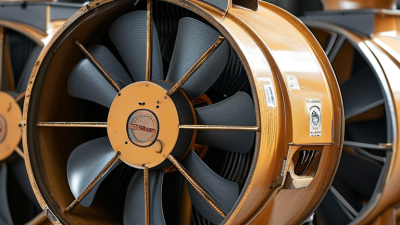
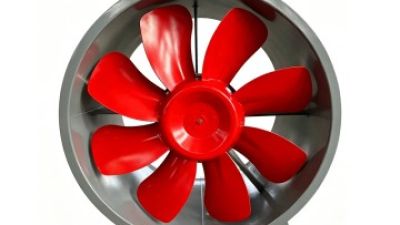
Designed specifically for fire smoke exhaust, this axial fan uses durable materials and high-temperature-resistant components to support dependable operation during emergency conditions. Its powerful airflow helps remove smoke and heat, improve evacuation routes, and assist emergency response teams. The fan is suitable for integration with building fire-control systems and can be configured according to airflow, pressure, temperature, and installation requirements. Low-noise operation supports everyday ventilation, while straightforward maintenance helps reduce long-term service demands. When selecting suppliers and factories, project owners should verify test documentation, temperature endurance, production quality controls, and compliance with applicable fire-safety standards for the intended building and operating environment.
FAQS
It blocks flames and hot gases from traveling through ventilation ducts. It protects walls, floors, and building compartments. Simple purpose.
Choose it for many standard duct openings where airflow stops during a fire. Its blades drop after heat releases the fusible link. Check access above the ceiling.
Multi-blade dampers suit larger ducts and high-airflow systems. Their compact frames can simplify maintenance access. Pressure still needs checking.
Static models close after the ventilation system shuts down. Dynamic models close while air continues moving. Dynamic selection requires pressure and velocity checks.
They suit corridors, hospitals, hotels, and buildings needing smoke control. They usually require an actuator, temperature sensor, and control connection. Coordination is essential.
Check the tested wall or floor assembly, sleeve arrangement, orientation, and fire-resistance period. Confirm access-panel size and reset space. Size alone misleads.
Galvanized steel is economical for many areas. Stainless steel suits humid, coastal, or chemically exposed spaces. Aluminum reduces weight but may have temperature limits.
Insulation can block the blades or actuator. Small gaps may weaken the tested assembly. Poor access can delay testing. It looks minor.
Test opening, closing, corrosion, dust, access, and actuator movement. Record damper positions and replacement parts. Annual checks are commonly expected, but local requirements may differ.
No. A strong rating cannot correct poor installation or neglected maintenance. Review certificates, airflow conditions, and inspection records. The ceiling may tell a different story.
Conclusion
In 2026, a Fire Damper remains a critical part of HVAC and smoke-control systems, helping limit the spread of fire, heat, and smoke through ducts and building compartments. This guide explains how fire dampers operate and compares common types, including curtain, multi-blade, combination fire-smoke, and access-rated designs. Each type serves different applications, such as offices, hospitals, industrial facilities, high-rise buildings, and residential projects. Selecting the right solution requires careful review of fire-resistance ratings, leakage performance, temperature limits, materials, actuator options, and compatibility with the ventilation system.
Global buyers should also consider applicable regional standards, testing documentation, installation clearances, inspection access, and maintenance procedures. Proper selection depends on the building’s construction, occupancy, airflow requirements, and local code obligations. A reliable supplier should provide clear technical data, consistent quality control, installation guidance, replacement support, and responsive communication. By evaluating performance, compliance, lifecycle cost, and service capability together, buyers can choose a Fire Damper that supports safer, more dependable, and maintainable building operations.