Hey, if you’ve been paying any attention to the climate control market lately, you’ve probably noticed just how important it is to have Constant Temperature & Humidity AHUs. I mean, according to the 2023 report from ASHRAE, getting humidity right can actually bump up indoor air quality and save energy—by as much as 30%! That just shows how vital these systems are, especially in stuff like factories or data centers.
Big players like Daikin and Trane are still pushing the envelope here, coming out with solutions that are specially designed for industries where conditions really matter—think pharmaceuticals or high-tech data centers. And here’s something cool: keeping the temp and humidity steady can cut down spoilage by around 25%, which really helps keep those operational costs down.
That said, not all AHUs are made equal. Some can struggle when the weather gets super extreme, so it’s really worth doing your homework when choosing one. As companies push to be greener and more sustainable, the trick is finding systems that perform well without gobbling up too much energy. In the end, picking the right AHU isn’t just about comfort, it’s about creating a space that’s both reliable and efficient—pretty much what we’re all after, right?
Overview of Constant Temperature and Humidity AHU Solutions
Constant temperature and humidity air handling units (AHUs)
play a crucial role in maintaining indoor air quality. These systems regulate temperature and moisture, creating comfortable environments in buildings.
Effective humidity control is essential for health and comfort, especially in sensitive spaces like laboratories and museums.
A reliable AHU system should have various features, including precise sensors and advanced controls.
When choosing an AHU, consider the specific requirements of your space. The size of the unit impacts its efficiency.
Oversized units can lead to energy wastage. On the other hand,
undersized units struggle to maintain desired conditions.
It is vital to assess your environment and obtain adequate system specifications.
Tips: Regular maintenance is critical.
Check filters monthly to reduce energy consumption. Also, avoid placing the unit in direct sunlight or near heat sources.
These factors can affect performance. Remember, even minor issues can lead to larger problems over time.
Monitoring your system can save costs and improve the lifespan of your AHU.
Investing in a quality system now can lead to significant long-term benefits.
Key Features of Effective AHU Systems for Temperature Control
Effective Air Handling Units (AHUs) are crucial for maintaining consistent temperature and humidity levels. Key features that define these systems include precise control mechanisms, energy efficiency, and robust filtration options. A reliable AHU will have advanced sensors capable of continuously monitoring both temperature and humidity. These sensors help maintain the desired indoor climate.
Energy efficiency is another critical aspect. AHUs that utilize variable speed fans can adjust airflow based on real-time conditions. This minimizes energy waste, leading to cost savings. Additionally, high-quality filters ensure the air remains clean. They capture dust and allergens, creating a healthier environment.
While many AHUs offer these features, not all perform equally. Some systems may struggle with humidity control during extreme weather. Others might have inadequate filtration, leading to indoor air quality issues. It's essential to evaluate these shortcomings when selecting an AHU. The performance of an AHU is influenced by its design and installation. Therefore, expert input during these stages is invaluable.
Benefits of Maintaining Constant Temperature and Humidity in Facilities
Maintaining a constant temperature and humidity level in facilities is crucial for various industries, especially in healthcare and data centers. Studies indicate that businesses lose around $1 billion a year due to temperature and humidity fluctuations. These conditions can damage sensitive equipment and affect product quality.
Temperature fluctuations can also lead to increased energy consumption. According to a report by the U.S. Department of Energy, unstable environments can increase energy costs by up to 30%. Properly managing these conditions enhances operational efficiency and reduces energy waste.
Moreover, consistent climate control improves employee well-being. A study from the World Health Organization shows that optimal indoor conditions can enhance productivity by 15%. However, many facilities struggle with balancing comfort and energy efficiency. The integration of advanced Air Handling Units (AHU) can help address these issues. By investing in robust systems and adopting best practices, facilities can create environments that support both productivity and sustainability.
Benefits of Maintaining Constant Temperature and Humidity in Facilities
Top 10 AHU Solutions for Constant Temperature and Humidity Management
Maintaining constant temperature and humidity levels is essential in various environments, from data centers to laboratories. Effective Air Handling Unit (AHU) solutions play a critical role in achieving optimal indoor climates. According to recent industry reports, nearly 80% of energy consumption in HVAC systems comes from improper humidity control. This highlights the need for reliable AHU systems designed for precise humidity management.
Modern AHUs utilize advanced technology to monitor and adjust environmental conditions continually. They often include features like dual-filters and advanced sensors, ensuring air quality and comfort. A study by the American Society of Heating, Refrigerating and Air-Conditioning Engineers (ASHRAE) indicates that maintaining humidity levels between 40-60% can improve comfort and health outcomes significantly. Yet, many systems still struggle to achieve these levels, leading to discomfort and inefficiencies.
Real-world applications show that even high-end AHU units face challenges. System failures, calibration errors, and inconsistent maintenance can result in fluctuating environments. Industry experts recommend regular audits and upgrades to ensure AHUs function optimally. Monitoring performance data is crucial for adapting to evolving environmental needs, ensuring reliable temperature and humidity control. These insights can guide decision-making, optimizing investments in AHU solutions for any facility.
Comparative Analysis of Leading AHU Brands and Technologies
In the realm of constant temperature and humidity air handling units (AHUs), understanding which brands and technologies stand out is crucial. Several options are available, each with unique features. Efficient energy use is one factor. Some models employ advanced sensors to adjust temperature and humidity levels. This responsiveness enhances comfort while reducing energy costs.
Another key aspect is the design of the AHUs. Some innovative models incorporate modular designs, allowing for easier maintenance and upgrades. However, these might come at a higher initial cost. Effective filtering systems also play a significant role. High-quality filters can significantly improve indoor air quality but require regular replacement. Ignoring this can lead to reduced performance.
The technology used in controls varies too. Many systems offer smart integration, which can enhance user experience. Yet, this complexity may lead to steep learning curves. Users need time to adapt. Choosing the right AHU depends on specific needs. Evaluating these variables helps in making informed decisions. Balancing upfront costs and long-term benefits is essential for optimal performance.
Best 10 Constant Temperature and Humidity AHU Solutions
| Model |
Cooling Capacity (kW) |
Heating Capacity (kW) |
Humidity Control Range (%) |
Energy Efficiency Ratio (EER) |
Noise Level (dB) |
Price ($) |
| Model A |
50 |
60 |
30-70 |
3.5 |
45 |
1500 |
| Model B |
55 |
65 |
20-60 |
3.8 |
48 |
1600 |
| Model C |
60 |
70 |
25-65 |
4.0 |
50 |
1700 |
| Model D |
65 |
75 |
30-70 |
4.2 |
52 |
1800 |
| Model E |
70 |
80 |
35-75 |
4.5 |
55 |
2000 |
Installation and Maintenance Considerations for AHU Systems
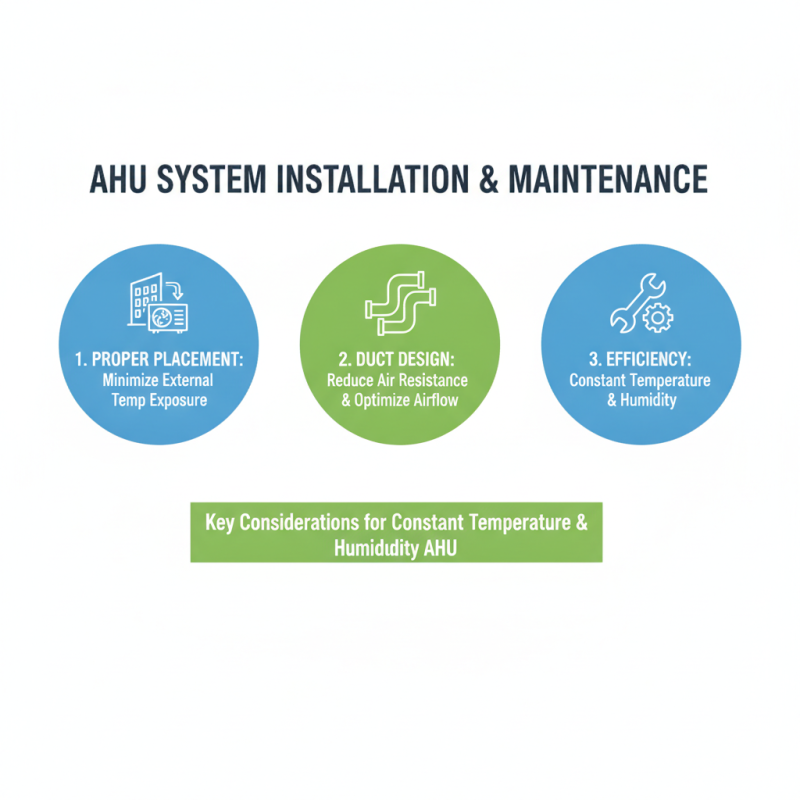
When considering the installation of constant temperature and humidity AHU systems, several factors come into play. Proper placement is crucial. Units should be located in areas that minimize exposure to external heat or cold. This helps maintain their efficiency. Duct design also matters. Well-designed ducts can reduce air resistance and ensure optimal airflow.
Maintenance is another vital aspect. Regular inspections help identify potential issues early. Look for signs of wear, leaks, or corrosion. A clean system runs better and consumes less energy. Filters should be replaced regularly to ensure air quality. Ignoring this can lead to health risks and system inefficiency.
Training personnel is often overlooked but essential. Staff should understand how these systems work. They must be aware of troubleshooting techniques. Empowering them with knowledge can prevent minor issues from escalating into larger problems. Maintenance protocols should be documented and reviewed frequently. This ensures that the system operates at peak performance over its lifespan.
Future Trends in Constant Temperature and Humidity Control Technologies
As indoor environments become more critical for health and productivity, constant temperature and humidity control is paramount. Emerging technologies are reshaping the way we approach air handling units (AHUs). Innovations in sensors and IoT integration enhance precision in monitoring and controlling indoor conditions. These advancements pave the way for energy efficiency and reduce operational costs.
Tips: Regularly calibrate sensors for accuracy. Doing so minimizes error in temperature and humidity readings.
Machine learning is revolutionizing how AHUs operate. By analyzing data, these systems can predict patterns in environmental changes. This proactive approach allows for adjustments before issues arise, ensuring optimal indoor conditions. However, there are challenges. Data security and privacy remain significant concerns that must be addressed.
Tips: Invest in cybersecurity measures. Protecting sensitive data is crucial as we advance technologically.
Incorporating renewable energy sources into AHU systems is gaining traction. Solar power and geothermal resources not only provide clean energy but also enhance system efficiency. Reflecting on our current methods is essential. Sustainable solutions may initially require higher investment but yield long-term benefits.
Enhancing Safety and Efficiency: Insights from Industry Reports on Fire Smoke Exhaust Fans with High Temperature Resistance
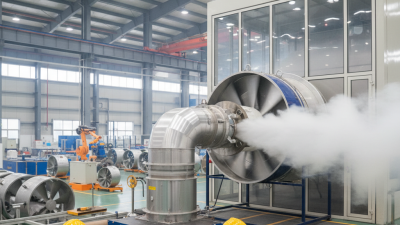
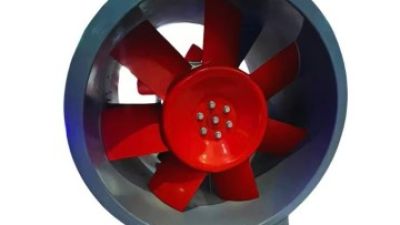
In the realm of fire safety and efficiency, the importance of reliable fire smoke exhaust fans cannot be overstated. These fans are designed to endure high temperatures, making them essential components in building systems that prioritize safety. With their exceptional resistance to heat, these fans are capable of performing under the most demanding conditions, ensuring that smoke is efficiently extracted during emergencies. This capability not only enhances safety for occupants but also facilitates a quicker response from firefighting teams, ultimately leading to better management of fire incidents.
Moreover, modern fire smoke exhaust fans are engineered for stability and low noise operation. Their robust construction allows for steady performance while minimizing vibrations, which is crucial in environments such as commercial buildings and warehouses. Ease of installation further adds to their appeal, allowing for swift integration into various infrastructures. With energy-saving features and a substantial air volume capacity, these fans provide a sustainable solution for maintaining air quality and safety, making them indispensable in any fire protection strategy. Their durability and efficiency make them ideal for long-term use, ensuring that safety standards are upheld consistently.
FAQS
ir Handling Units (AHUs)?
AHUs with variable speed fans adjust airflow as needed. This reduces energy waste and can lower costs significantly.
Constant conditions protect sensitive equipment, improve product quality, and can prevent costly energy spikes in unstable environments.
Healthcare and data centers need stable conditions. Fluctuations can lead to significant financial losses.
Optimal indoor conditions can boost productivity by up to 15%. Comfort is essential for worker efficiency.
Innovations in sensors and IoT improve monitoring. They help manage indoor environments more precisely.
Machine learning analyzes data to predict environmental changes. This allows systems to adjust proactively.
As systems become more advanced, data security becomes crucial. Investing in cybersecurity is necessary to protect sensitive information.
Yes, using solar and geothermal energy enhances efficiency and sustainability. Initial costs may be high, but long-term gains are substantial.
Not all AHUs manage humidity well during extreme weather. Inadequate filtration can also affect indoor air quality.
Conclusion
Constant Temperature & Humidity AHU (Air Handling Unit) solutions play a crucial role in maintaining optimal indoor climates across various facilities. The effectiveness of these systems lies in their key features, such as precise temperature control, energy efficiency, and advanced humidity management. By ensuring a consistent environment, facilities can enhance comfort, protect sensitive equipment, and improve overall productivity.
The article explores the top 10 AHU solutions designed for constant temperature and humidity management, providing a comparative analysis of different brands and technologies. It also discusses important installation and maintenance considerations, emphasizing the need for regular upkeep to ensure peak performance. As technology evolves, future trends in constant temperature and humidity control are anticipated to further enhance efficiency and reliability in AHU systems, benefiting a wide range of applications from industrial to commercial settings.