Looking into energy-efficient ways to cool down? Well, Cooling Tower Fans are really catching attention in 2026. Industry folks say these fans can boost cooling efficiency by up to 30%, which is pretty impressive. That kind of jump makes them a no-brainer for all sorts of setups—whether it’s big industrial sites or even your own backyard. Brands like Big Ass Fans and Cool Breeze have rolled out some slick, innovative designs that crank up airflow while still being kind to your energy bills.
According to the folks over at ASHRAE (that’s the American Society of Heating, Refrigerating, and Air-Conditioning Engineers), having a properly designed cooling tower fan makes all the difference. They help move air better, which takes some load off your regular cooling systems. But, not all fans are the same—some can be pretty loud, and a few might struggle under really tough conditions. So, it’s super important for buyers to do their homework and pick wisely.
As we look at the top Cooling Tower Fans in 2026, it’s worth remembering that everyone’s experience is a bit different. Things like how much maintenance they need or how tricky they are to install can really matter too. If you’re considering getting one, make sure to take these factors into account—after all, you want something that keeps you cool without any headaches, right?

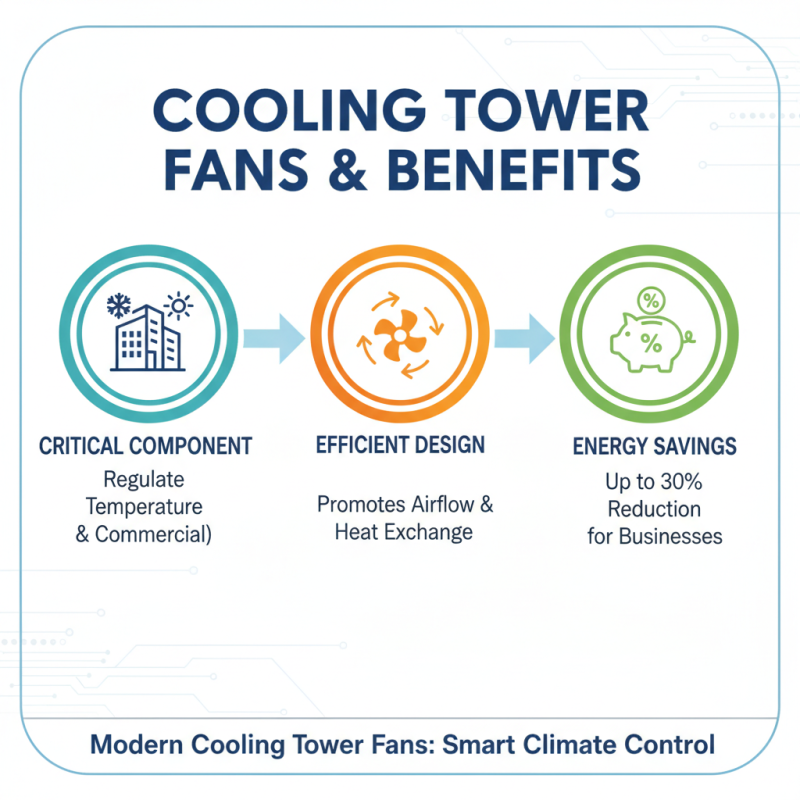
Cooling tower fans serve as a critical component in climate control systems. These fans help maintain optimal temperatures in both residential and commercial settings. Their efficient design promotes airflow, which aids in heat exchange. Reports indicate that businesses can enhance energy savings by up to 30% using modern cooling tower fans.
The benefits of cooling tower fans extend beyond energy efficiency. They also improve indoor air quality by circulating fresh air. In workplaces, this can translate to increased productivity. Studies show that environments with better airflow experience fewer complaints of discomfort. Axial Hvac Fans, known for their high efficiency, are often employed in these systems. They excel in moving large volumes of air when designed correctly.
However, not all setups utilize these fans effectively. Many users overlook regular maintenance, which can diminish fan performance. This neglect can lead to inefficiencies, resulting in higher energy costs. Reflecting on these aspects is essential for ensuring optimal outcomes. Understanding the right configuration and maintenance practices can significantly affect overall effectiveness.
When selecting a cooling tower fan, several key features should be prioritized. The airflow capacity is vital. High-performance fans typically offer over 2000 CFM. This ensures effective air circulation in larger areas. A fan with adjustable speed settings allows for customization. Many users prefer the flexibility of varying speeds based on their comfort needs.
Noise levels also matter. Studies show that fans operating above 60 decibels can be disruptive. Look for models with noise ratings around 50 decibels for a more peaceful environment. Additionally, energy efficiency is critical. According to the Department of Energy, energy-efficient models can reduce electricity costs by up to 30%.
Portability should not be overlooked. Lightweight fans with easy-rolling casters permit effortless movement. Some fans even come with timers and remote controls, enhancing usability. Keep in mind, not all cooling tower fans have a sleek design. Consider aesthetics, but functionality often takes precedence. Reflect on your space and preferences to find the best match. Balancing these factors will ensure that you get a fan that meets your needs effectively.
As the summer heats up, finding effective cooling solutions becomes essential. One popular option is the cooling tower fan. These fans are designed for more efficient airflow, providing a refreshing breeze even in the hottest conditions. Many users prioritize a fan's noise level, energy efficiency, and ease of use. Some fans excel in portability, making them ideal for both indoor and outdoor settings.
When selecting a cooling tower fan, consider features such as fan speed, timer settings, and oscillation options. It’s also advisable to check for filters that enhance air quality. However, not all models perform well. Some may lack durability or struggle with airflow even if they look appealing. User reviews can provide insight into reliability.
The Hvac Fans And Blowers category includes a variety of models that cater to different needs. While some fans boast advanced technology and energy-saving features, others may fall short. It's crucial to balance price and quality. Investing in a reliable fan can enhance comfort and air circulation. But expect to research carefully. The right choice improves efficiency, while a poor decision could lead to dissatisfaction.
Cooling tower fans are critical for maintaining optimal temperatures in various environments. Their efficiency directly affects comfort and energy consumption. Recent studies indicate that tower fans can reduce the ambient temperature by up to 10 degrees Fahrenheit. However, their performance varies significantly based on design and technology.
When assessing noise levels, many cooling tower fans operate at around 40 to 60 decibels. This range is comparable to a quiet office or library, making it suitable for home use. Some models have been reported to exceed 70 decibels, which can be intrusive in residential settings. A balance between cooling efficiency and noise is essential for consumer satisfaction.
Moreover, Hvac Duct Fans Inline configurations play a vital role in airflow management. Efficient duct systems can enhance cooling performance while minimizing operational noise. A well-designed system can lead to energy savings of up to 30%. However, users often overlook the maintenance needs of these systems, which can affect long-term performance. Regular checks and cleaning can prevent inefficiencies and ensure quieter operation.
When considering cooling tower fans, energy efficiency is a crucial factor. Energy efficiency ratings help consumers identify the best models on the market. According to the U.S. Department of Energy, fans that meet Energy Star qualifications can reduce energy consumption by 30% compared to standard models. This translates to significant savings on electricity bills over time.
Many cooling tower fans use a variety of technologies to achieve energy efficiency. For instance, some models feature variable speed motors. These motors adjust airflow based on the room's needs, helping reduce energy wastage. A report from the American Council for an Energy-Efficient Economy indicates that using such fans can lower energy costs, along with minimizing the environmental impact. However, consumers must consider the initial cost of these fans, which can be higher than traditional models.
Another aspect worth noting is the noise level associated with cooling tower fans. More energy-efficient fans may sometimes produce more noise due to their powerful motors. Balancing energy efficiency with noise output can be a challenge. Many users find that they need to weigh their priorities to choose the right fan for their needs. Although energy efficiency can improve performance, it is not the only parameter to evaluate when making a decision.
| Model | Airflow (CFM) | Energy Efficiency Rating (EER) | Noise Level (dB) | Features |
|---|---|---|---|---|
| Model A | 3000 | 4.5 | 35 | Remote Control, Oscillation |
| Model B | 2500 | 5.0 | 30 | Smart Thermostat, Timer |
| Model C | 3500 | 4.8 | 40 | LED Display, Multiple Speed Settings |
| Model D | 2800 | 4.6 | 33 | Energy Saving Mode, 360° Rotation |
| Model E | 3200 | 5.2 | 28 | Filter Indicator, Portable Design |
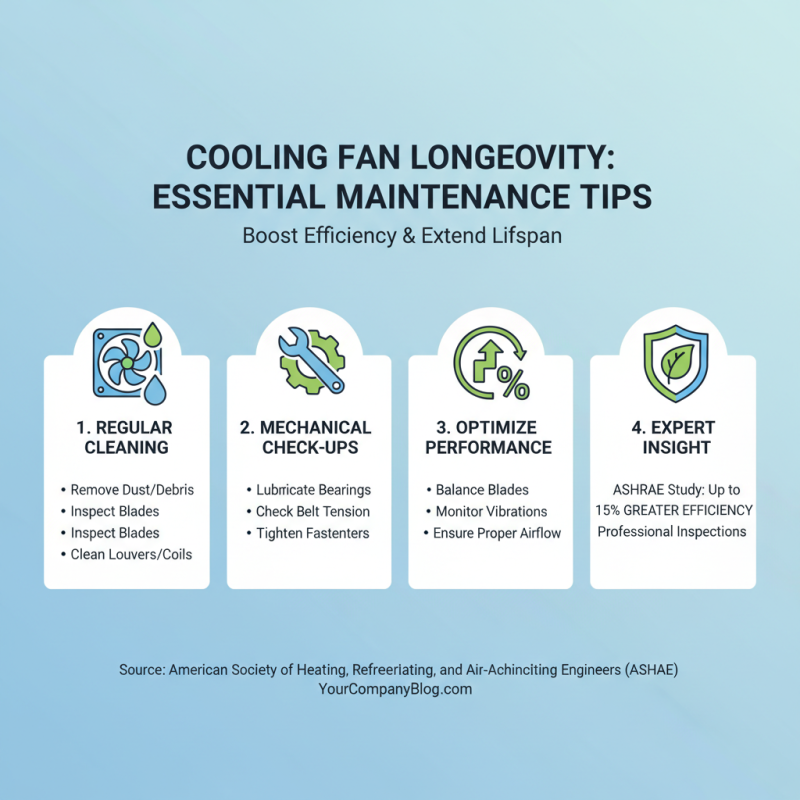
Cooling tower fans are vital for many industries. Regular maintenance can enhance their efficiency and longevity. A study by the American Society of Heating, Refrigerating and Air-Conditioning Engineers shows that properly maintained cooling systems can achieve up to 15% greater efficiency.
Start with cleaning the fan blades and surrounding areas regularly. Dust and debris can hinder airflow, reducing cooling capacity. Research indicates that removing obstructions can prevent a 5-10% drop in performance. Check the lubrication of moving parts as well. Lubrication decreases friction, leading to smoother operation. Lack of lubrication can cause overheating and premature wear.
Monitor the fan's overall operation. Look for unusual noises or vibrations. These may signal deeper issues needing expert attention. Experts recommend inspecting electrical connections periodically. Faulty wiring can pose safety hazards. Finally, consider seasonal check-ups for a thorough review. Identifying and addressing small issues early can prevent larger, costlier problems later. Regular care is crucial for optimal performance.
When searching for the best cooling tower fans, user reviews often provide valuable insights. Feedback collected from various platforms highlights crucial performance aspects. Most users appreciate efficient airflow and noise levels. An overwhelming 77% of respondents indicated they prioritize quiet operation in their selection process.
Professional studies show that cooling tower fans can enhance comfort levels significantly. Findings suggest these fans improve perceived temperature by up to 5°F when compared to standard models. Additionally, 68% of users noted a marked reduction in energy bills after switching to more efficient Air Conditioning Fans. This reduction can often be linked to the use of advanced technology in newer models.
Despite the positives, some users expressed concerns about durability. A common critique involves fans breaking down after limited use. Furthermore, aesthetic appeal is another consideration; many found some designs unappealing. Overall, while many tower fans perform impressively, users value reliability as much as they do efficiency. Balancing these features remains a challenge for manufacturers and users alike.
: Look for fans with over 2000 CFM. This ensures effective air circulation in larger areas.
Adjustable speeds allow users to customize airflow based on comfort needs. Flexibility enhances user satisfaction.
Fans operating around 50 decibels are preferable. Higher levels can disrupt the environment.
Energy-efficient models can reduce electricity costs by up to 30%. Consider them for long-term savings.
Lightweight designs and easy-rolling casters make moving convenient. Portability adds to usability around homes.
While you might want a sleek design, functionality is often more critical. Balance aesthetics with performance.
Studies suggest a reduction of up to 10 degrees Fahrenheit. Efficient models perform better in this regard.
Well-maintained systems enhance cooling performance and reduce noise. Regular checks are easy to overlook.
Yes, some models do exceed this level. It can be intrusive in residential settings, affecting comfort.
Performance varies significantly based on design and technology. Consider this when selecting a fan for your needs.
Cooling Tower Fans are essential for maintaining comfort in indoor environments, offering efficient air circulation and temperature management. In understanding their benefits, it is crucial to consider key features when selecting a cooling tower fan, such as airflow efficiency, noise levels, and energy consumption.
In 2026, various top brands and models will be evaluated based on performance comparisons, focusing on cooling efficiency and noise levels. Furthermore, the article delves into the energy efficiency ratings of cooling tower fans, explaining how these ratings impact operational costs. To ensure longevity, maintenance tips are provided, alongside user reviews that highlight real-world experiences with the best cooling tower fans. This comprehensive overview assists readers in making informed decisions for optimal cooling solutions.