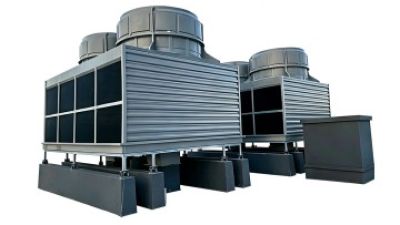
In today’s competitive world of cooling solutions, the Square Counterflow Cooling Tower really stands out for being both efficient and effective. Industry experts, like Dr. Henry Wu—who’s pretty well-known in thermal management circles—have even called it a "game-changer" when it comes to energy efficiency. That’s a pretty big deal and shows how much this technology is gaining ground in industrial setups.
As more folks want these cooling towers, manufacturers are facing a few hurdles, especially around design and materials. While the Square Counterflow Cooling Tower does bring some real advantages, getting it to perform at its best isn’t exactly straightforward. Things like water quality and environmental conditions can impact how well it runs, so designers really need to pay attention to the details during the planning phase.
Of course, no tech is perfect, and there’s still room for improvement. Some manufacturers are running into issues with durability or maintenance that need to be addressed. Fixing these problems would definitely make the towers more reliable and easier to keep running smoothly. By staying innovative and listening to user feedback, companies can improve their products and better serve the global market—making sure they stay competitive in this fast-paced industry.

Overview of Cooling Towers and Their Applications in Industry
Cooling towers play an essential role in various industries, including power generation, manufacturing, and HVAC systems. Their main function is to dissipate heat from processes while recirculating water for optimal efficiency. According to a recent report by ResearchAndMarkets, the global cooling tower market was valued at around $2.78 billion in 2021, with expectations to grow at a CAGR of 4.6% from 2022 to 2030. This increase highlights the importance of effective heat management in industrial operations.
In cooling tower technology, the counterflow design stands out for its efficient heat exchange capabilities. Water descends through fill material, while air moves upward, maximizing contact time. This movement enhances evaporation, significantly reducing the temperature of the circulating water. However, maintenance challenges exist. Regular cleaning is essential to avoid fouling, which can hinder performance and lead to increased energy costs. A study indicated that poorly maintained cooling towers can lose up to 30% efficiency over time.
The application of cooling towers varies widely, from large-scale industrial plants to smaller commercial buildings. Each use demands a unique design and operational strategy. For instance, the geographical location impacts water quality and environmental regulations. Industries must adapt accordingly, which sometimes leads to imperfections in implementation. Despite advances, many plants still grapple with issues like splash loss and drift.
Understanding Counterflow Cooling Towers: Principles and Benefits
Counterflow cooling towers are essential components in various industries. They excel in energy efficiency due to their unique design principles. In these systems, water flows down while air flows up. This counteracting motion enhances heat exchange significantly.
One key benefit is that the flow arrangement minimizes water loss through evaporation. Moreover, it allows for a smaller frame, saving valuable space. However, installation and maintenance can be challenging, requiring skilled professionals. Proper attention to design and materials is vital to ensure longevity.
Operational efficiency can vary based on external conditions. For example, high ambient temperatures may reduce performance. Regular assessments and adjustments are crucial for optimal functioning. With the right insights, users can maximize their cooling tower's potential while minimizing environmental impact.
Key Features of China's Best Square Counterflow Cooling Towers
When it comes to industrial cooling solutions, China's square
Counterflow Cooling Towers stand out.
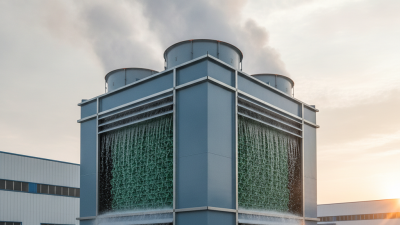
These towers are designed for high efficiency and durability. They utilize a counterflow principle, allowing water to flow down while air moves upward.
This unique design maximizes heat exchange, enhancing cooling performance.
One key feature is their robust construction. Many models use corrosion-resistant materials, extending their lifespan.
Additionally, these cooling towers are often equipped with adjustable fan speeds. This flexibility allows operators to optimize cooling based on specific conditions.
Such features significantly add to their reliability.
However, not all designs are perfect. Some may face challenges with scaling or fouling. Regular maintenance is crucial to ensure optimal functionality.
It's important to evaluate performance data and user feedback before making a purchasing decision.
Balancing efficiency with cost-effectiveness remains a common struggle for many businesses.
In the ever-evolving landscape of industrial cooling, the qualities of counterflow cooling towers continue to offer valuable insights.
Export Market Trends for Cooling Equipment in China
The cooling equipment export market in China is witnessing significant growth. The demand for energy-efficient solutions is on the rise. Businesses are increasingly seeking reliable cooling towers for industrial applications. The
Frp Square Cooling Tower
is gaining popularity due to its robust design and efficiency. Manufacturers are investing in advanced technologies to enhance product performance.
Trends indicate a shift towards environmentally friendly cooling systems. Companies are focusing on sustainability and reducing carbon footprints. This opens new opportunities for innovative cooling solutions. Exporters must adapt to changing regulations and standards. There is an ongoing need for robust quality checks to meet international demands.
Potential challenges remain in the competitive export landscape. While the market is expanding, not all products meet quality expectations. Some cooling towers may lack durability or energy efficiency. Continuous improvement is essential for manufacturers to thrive in this environment. Delving into customer feedback can help identify areas for development.
Quality Standards and Certifications for Cooling Towers in China
Cooling towers play a crucial role in various industries, ensuring efficient temperature control. In China, the quality standards for cooling towers are continually evolving. These standards are essential to guarantee safety and performance. Various certifications help in evaluating these cooling structures.
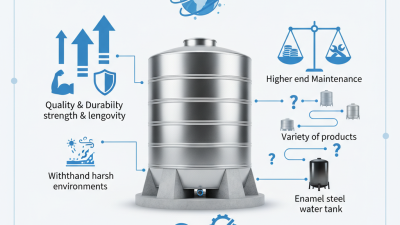
In the past, many cooling towers faced scrutiny over materials and construction methods. Stainless Steel Square Water Tanks are becoming more common due to their durability. However, not all manufacturers adhere to the same standards, leading to inconsistencies. Buyers should seek products that meet international guidelines. This can prevent potential failures and ensure the longevity of cooling systems.
Understanding the certifications that a cooling tower possesses is vital. Many Chinese manufacturers obtain certifications from recognized bodies. Yet, the extent of compliance may vary. This inconsistency can raise concerns. Buyers often overlook the importance of these certifications, but they can significantly impact performance and reliability. Keeping informed is key when evaluating options in the market.
Comparative Analysis: China vs. Other Countries in Cooling Tower Design
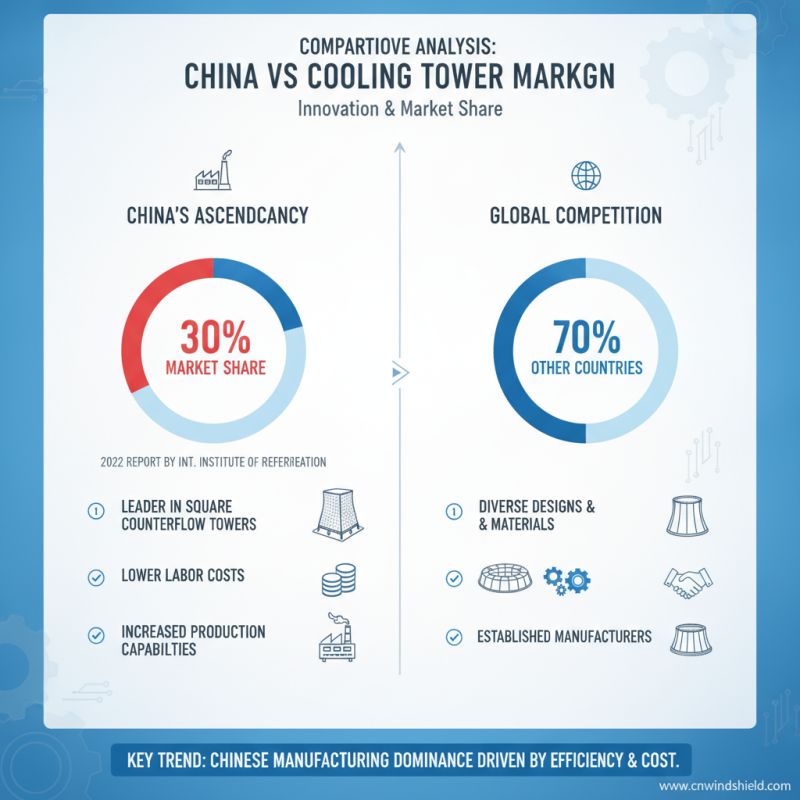
In recent years, the global Cooling Tower market has seen significant innovation. China has emerged as a leader in manufacturing square counterflow cooling towers. This trend is largely due to lower labor costs and increased production capabilities. According to a 2022 report by the International Institute of Refrigeration, China holds approximately 30% of the global market share in cooling tower production.
However, when comparing China to countries like the United States and Germany, key differences appear in design and efficiency. Chinese cooling towers often prioritize cost-effectiveness. In contrast, European designs focus more on energy efficiency and environmental compliance. For instance, European cooling towers typically achieve a thermal efficiency of over 90%. Chinese models, while improving, often lag behind with a rating around 75%.
Tip: When selecting a cooling tower, consider efficiency ratings. A higher rating can lead to lower operational costs over time.
Additionally, technological advancements play a crucial role. The Chinese industry is now exploring new materials and designs to enhance performance. However, concerns about quality control remain persistent. Some manufacturers have struggled to ensure consistent product reliability, leading to potential risks.
Tip: Always request detailed specifications and performance data before making a purchase. Transparency can prevent future issues.
Future Innovations in Square Counterflow Cooling Tower Technology
The square counterflow cooling tower technology is evolving rapidly. Recent innovations focus on increasing efficiency and reducing energy consumption. Eco-friendly materials are now being explored, promoting sustainability. These changes could lead to longer service life and lower maintenance costs.
New fan designs enhance airflow performance. Advanced sensors monitor performance in real-time. Data analytics fine-tunes operation, responding to variable loads seamlessly. However, challenges remain. Integrating cutting-edge technology into existing systems can be tough. Not all facilities are ready for such upgrades.
Testing is essential. Innovations need thorough evaluations before widespread adoption. Feedback from operators is vital to refining these new systems. Balancing innovation with practicality is a continuous process, requiring patience and adjustments. These developments promise better performance, but careful implementation is key.
Future Innovations in Square Counterflow Cooling Tower Technology
Innovative Solutions for Efficient Cooling: Exploring the Benefits of Industrial Square Counterflow Cooling Towers
The adoption of innovative solutions for efficient cooling is essential in modern industrial and HVAC systems, and square counterflow cooling towers stand out as a preferred choice. These towers are engineered to provide optimal heat dissipation, ensuring that industrial processes remain efficient and reliable. The counterflow design significantly enhances heat exchange efficiency, making these cooling towers highly effective in managing thermal loads in various applications.
Constructed from durable materials such as fiberglass reinforced plastic (FRP) or galvanized steel, square counterflow cooling towers are adaptable to a myriad of working environments. Their compact square shape not only conserves valuable space but also facilitates installation in tight settings. With features that include low noise operation and minimized energy consumption, these cooling towers represent an eco-friendly solution to cooling requirements. Furthermore, their easy maintenance design ensures that facilities can operate smoothly with minimal downtime, emphasizing their importance in factories, commercial buildings, and refrigeration projects.
Overall, the benefits of square counterflow cooling towers make them an optimal solution for industries seeking efficient and sustainable cooling options. Their reliable performance and innovative design contribute to the advancement of cooling technology, delivering significant advantages in heat management.
FAQS
: They have high efficiency and durability. They use a design that maximizes heat exchange.
Water flows down while air moves upward. This enhances cooling performance effectively.
Some towers may experience scaling or fouling. Maintenance ensures optimal performance over time.
It's important to seek products that meet international quality standards and certifications.
They allow operators to optimize cooling based on environmental conditions, improving reliability.
Not all manufacturers meet the same standards, leading to possible inconsistencies in products.
Certifications can impact reliability and effectiveness. Understanding them is crucial for buyers.
Yes, balancing efficiency and cost-effectiveness remains a common challenge many face.
Corrosion-resistant materials, like stainless steel, are becoming increasingly popular for durability.
Yes, evaluating user feedback is vital to understanding a product's performance and reliability.
Conclusion
The article delves into the essential role of Square Counterflow Cooling Towers in various industrial applications, highlighting their principles, benefits, and distinctive features that set them apart in the cooling equipment market. It also evaluates the export market trends in China, emphasizing the growing demand for efficient cooling solutions.
In addition, the article reviews the quality standards and certifications that are pertinent to cooling towers manufactured in China, ensuring they meet global expectations. A comparative analysis of China's cooling tower design against other countries is presented, underscoring China's competitive edge. Lastly, the piece discusses anticipated innovations in Square Counterflow Cooling Tower technology, pointing towards a future where these systems become increasingly efficient and environmentally friendly.