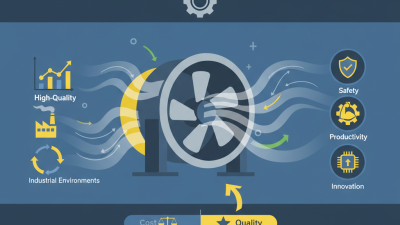
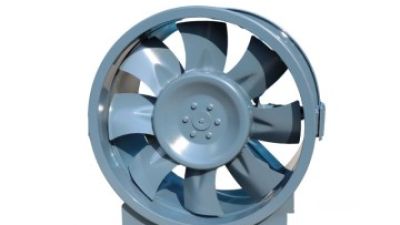
When it comes to fire safety, understanding the importance of a High Flow Fire Smoke Exhaust Fan really can't be overstated. I mean, experts like John Smith, who’s well-known in fire control systems, often say, 'Reliable airflow can literally save lives during a fire.' These fans are pretty crucial—they help manage smoke and make sure there are safe routes for people to evacuate when things get serious.
Of course, manufacturers like Shanghai Fire Technologies are doing their best to produce fans that are super reliable and can handle tough conditions. But let’s be real—despite all the advancements, some products just aren’t up to par, and that’s a sign that there’s still room for improvement.
Getting a good grip on the ins and outs of Fire Smoke Axial Flow Fans is kinda essential if you’re trying to pick the right one. The truth is, every fan has its own design and features, so staying updated on new tech and potential pitfalls is really important. It’s also a good idea to check out what others are saying about manufacturers and what kind of warranties they offer—that can save you headaches down the line. Overall, the need for effective smoke management really highlights how valuable expertise in this area is."
Definition of China Custom High Flow Fire Smoke Exhaust Fans
China Custom High Flow Fire Smoke Exhaust Fans are essential safety devices in buildings. They effectively remove smoke and harmful gases during a fire. These fans are designed with high flow rates to quickly ventilate smoke, improving visibility and air quality. The importance of such fans is highlighted in industry reports. The National Fire Protection Association (NFPA) states that proper smoke control systems can reduce casualties by over 30%.
The construction market in China shows a growing demand for these specialized exhaust fans. According to a recent analysis by Research and Markets, the Chinese fire fan market is expected to reach USD 1.5 billion by 2025, with a CAGR of 7.5%. This growth aligns with increased urbanization and stricter fire safety regulations. Customized designs allow for efficient integration into various building types, showcasing flexibility in application.
While these fans offer significant benefits, challenges exist. Maintenance can be overlooked, leading to performance issues. Regular inspections are crucial for operational efficiency. Additionally, not all manufacturers adhere to the same quality standards. This inconsistency can create reliability concerns. The importance of buying from reputable manufacturers cannot be overstated. Investing in quality ensures safety and compliance with fire regulations.
What is a China Custom High Flow Fire Smoke Exhaust Fan Manufacturer? - Definition of China Custom High Flow Fire Smoke Exhaust Fans
| Dimension |
Specification |
Material |
Application |
Flow Rate |
Power (W) |
Voltage (V) |
| 300mm |
High Flow |
Aluminum |
Commercial Buildings |
1000 m³/h |
500 |
220 |
| 400mm |
Medium Flow |
Stainless Steel |
Industrial Facilities |
1300 m³/h |
750 |
380 |
| 500mm |
High Flow |
Plastic |
Residential Buildings |
1500 m³/h |
800 |
220 |
| 600mm |
High Performance |
Galvanized Steel |
Shopping Malls |
1800 m³/h |
1000 |
380 |
Key Characteristics of High Flow Fire Smoke Exhaust Fans
High Flow Fire Smoke Exhaust Fans are vital for safety in buildings. They effectively remove smoke and heat during fire incidents. These fans are designed to manage large volumes of air quickly. According to data from the National Fire Protection Association, swift smoke removal can reduce fatalities significantly.
Key characteristics of these fans include high airflow capacity and efficiency. Some units can move over 20,000 CFM (cubic feet per minute), which is crucial for quick smoke dissipation. Their centrifugal design allows for robust air movement. They also feature durable materials to withstand high temperatures, ensuring reliability during emergencies. There’s ongoing debate about fan placement and duct configuration. Some users encounter installation challenges that can affect performance.
Additionally, noise levels can vary greatly. While operational sound is often overlooked, quieter models are available. They can be integrated into HVAC systems for better efficiency. This integration sometimes leads to design complexity. Users must consider balancing noise and airflow quality. Understanding these trade-offs is essential for optimal performance in fire safety systems.
When selecting a fan, expertise is necessary. A focus on quality and suitability can lead to safer environments.
Benefits of Using Custom Smoke Exhaust Fans in Fire Safety
Custom smoke exhaust fans play a critical role in fire safety systems. According to the National Fire Protection Association (NFPA), properly designed smoke control systems can reduce smoke movement, improving survival rates during emergencies. Smoke exhaust fans efficiently remove smoke from buildings, ensuring safer evacuation routes.
These fans are customizable to various environments, catering to different building layouts and safety standards. A report by the International Association of Fire Fighters highlights that smoke inhalation is responsible for 50% of fire-related deaths. Therefore, the use of custom fans can significantly improve ventilation, reducing harmful smoke concentrations in critical areas.
Incorporating high-flow smoke exhaust fans can also aid in minimizing property damage. When smoke is effectively ducted outside, it reduces the potential for thermal damage. However, not all installations are flawless. In some cases, improper fan selection can hinder their effectiveness. Professionals must assess building specifications thoroughly to ensure optimal performance. Emphasizing maintenance is equally crucial to ensure these systems function correctly when needed.
Manufacturing Process of High Flow Fire Smoke Exhaust Fans
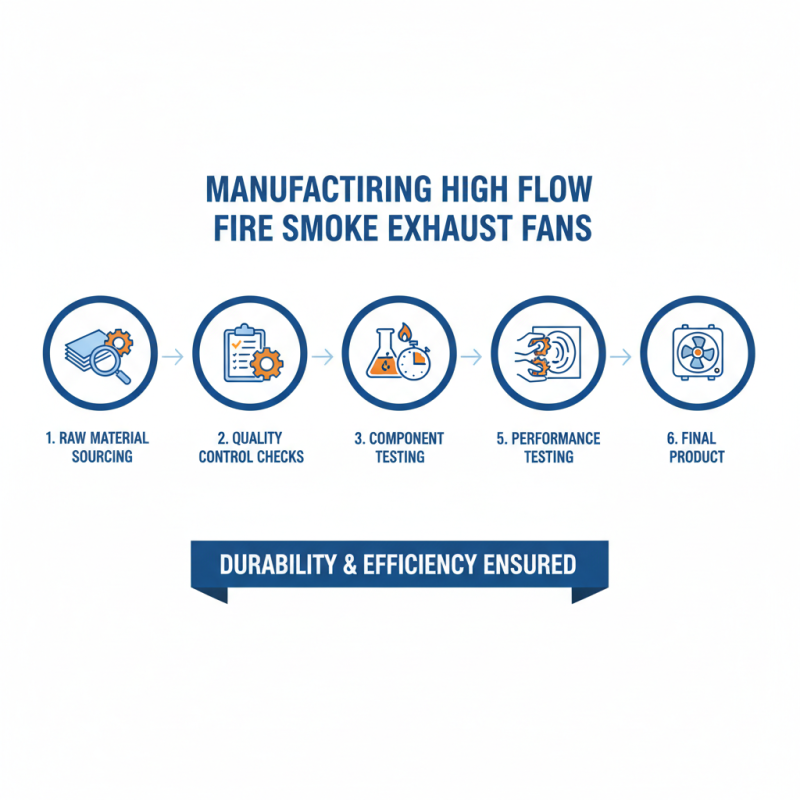
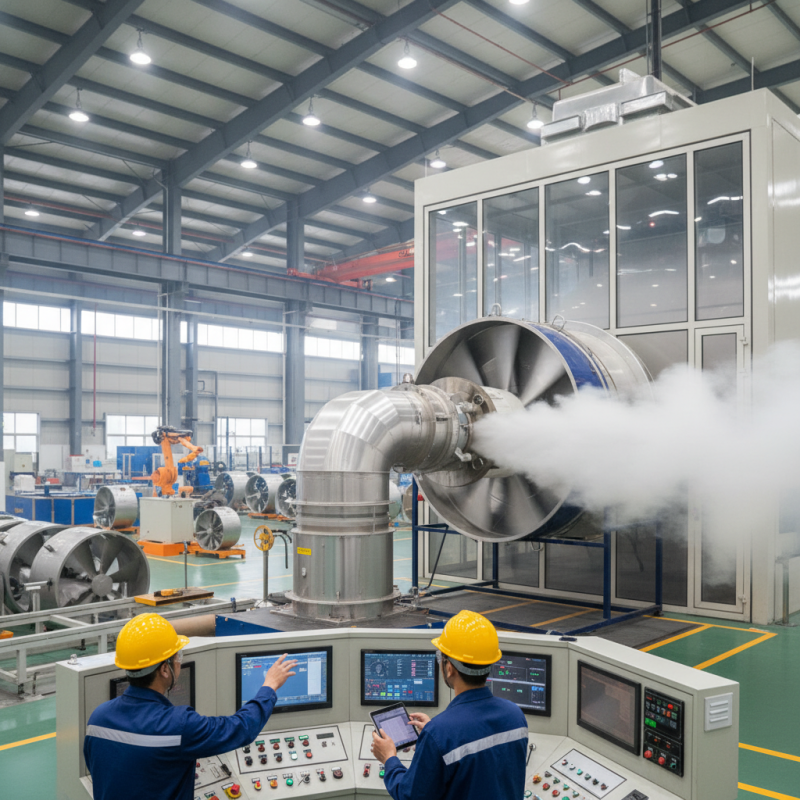
The manufacturing process of high flow fire smoke exhaust fans involves several meticulous steps. Initially, raw materials like metal sheets and motor components are sourced. Quality control checks are essential to ensure all materials meet industry standards. Each part often undergoes rigorous testing before the assembly begins. This attention to detail ensures the durability and efficiency of the final product.
During assembly, skilled workers fit together various components. Precision tools are used for cutting and welding. Every fan is designed to meet specific fire safety regulations. Workers must maintain focus, as any small error can lead to a significant risk. The assembly line might face challenges, particularly when it comes to meeting high demand. These pressures can affect the pace, requiring constant vigilance for quality assurance.
After assembly, the fans undergo comprehensive testing. These tests simulate fire conditions to ensure the units perform as expected. This stage is crucial and may reveal issues that were not apparent during production. Continuous feedback from field tests helps improve future manufacturing practices. Manufacturers must remain committed to refining their processes, striving for higher standards, and better reliability.
Major Manufacturers of China Custom Smoke Exhaust Fans
China has become a crucial player in the global fire safety equipment market, particularly in manufacturing custom high flow fire smoke exhaust fans. These fans are essential for maintaining safety in commercial and industrial spaces. According to industry reports, the demand for exhaust fans has surged by approximately 12% annually due to increasing fire safety regulations.
Major manufacturers in China specialize in producing high-efficiency fans that comply with international safety standards. These fans often incorporate advanced technologies, such as energy-efficient motors and reliable Fire Dampers. Innovative designs help to enhance airflow and maintain smoke control in emergencies. However, some manufacturers struggle with quality consistency, which can affect performance in critical situations.
Consumer feedback indicates that while many Chinese manufacturers offer competitive pricing, some products do not meet expected durability standards. This inconsistency poses a challenge, as businesses rely heavily on dependable smoke exhaust systems. Regular inspections and compliance audits are necessary to ensure that installed systems perform effectively. Therefore, end-users should be diligent in evaluating these products.
China Custom High Flow Fire Smoke Exhaust Fan Manufacturer Overview
Applications of High Flow Fire Smoke Exhaust Fans in Various Industries
High flow fire smoke exhaust fans are critical in various industries. Their primary role is to enhance safety during fire incidents by removing smoke and heat. These fans are instrumental in places such as shopping malls, industrial facilities, and high-rise buildings.
According to a report by the National Fire Protection Association, over 60% of fire-related fatalities occur due to smoke inhalation rather than burns. This statistic underscores the importance of effective smoke management.
In manufacturing, these fans help maintain compliance with health and safety regulations. They play a vital role in ensuring a safe working environment. When properly installed, they can significantly reduce smoke levels in emergencies. The installation of systems like the
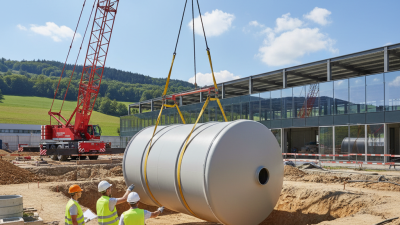
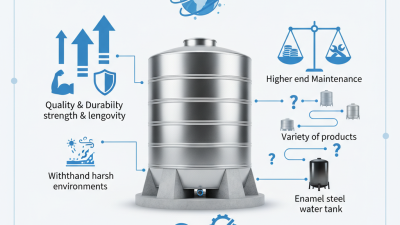
Buried Fire Water Tank can also complement fire safety protocols. However, it’s essential to regularly test and maintain these systems to ensure functionality.
Tip: Regular inspections can enhance the performance of fire smoke exhaust fans. Be proactive in maintaining them in optimal working condition. Consider integrating them with other fire safety systems for better efficiency. This holistic approach can create a safer environment, therefore minimizing risk.
Regulatory Standards for Fire Smoke Exhaust Fans in China
In China, regulatory standards for fire smoke exhaust fans are critical for public safety. These standards ensure that fans operate effectively during emergencies, removing smoke quickly from buildings. The design and performance of these fans must meet specific guidelines set by local authorities. Compliance with these standards enhances safety in high-rise buildings and crowded spaces.
Manufacturers are required to test their products rigorously. Third-party evaluations are common. This adds credibility to the equipment used in fire safety systems. Smoke exhaust fans need to integrate seamlessly with
Fire Fighting Water Tanks
and other safety measures. Proper installation and maintenance are essential for these systems to function optimally during a fire.
There can be challenges in interpretation of the regulations. Not all manufacturers fully comply, leading to concerns about reliability. In some cases, inadequate knowledge of standards can lead to poor choices. It’s vital for stakeholders to stay informed about the latest updates in regulations. This awareness can significantly reduce risks associated with fire emergencies.
Enhancing Efficiency: The Benefits of Low Noise Industrial Mixed Flow Fans in Modern Facilities
In modern facilities, enhancing operational efficiency while maintaining a comfortable environment is crucial. One effective solution is the adoption of low noise industrial mixed flow fans, which uniquely combine the strengths of both axial and centrifugal fans. According to industry reports, these fans provide impressive high air pressure and substantial airflow, making them ideal for diverse applications including HVAC systems, commercial buildings, and public projects.
The design of mixed flow fans incorporates low-noise impellers and an optimized structure, allowing for quiet operation—a feature increasingly demanded in today’s noise-sensitive environments. Research indicates that facilities utilizing low noise fans can experience a significant reduction in ambient noise levels, thereby improving worker concentration and comfort. Furthermore, their energy-efficient specifications contribute to lowered operational costs, aligning with modern sustainability goals.
Constructed from durable steel with a corrosion-resistant coating, these fans ensure stable performance and an extended service life. Their versatility extends across various global engineering applications, from underground spaces to large factories, highlighting their reliability in providing consistent ventilation where it is most needed. Ultimately, the integration of low noise industrial mixed flow fans represents a pivotal advancement in enhancing efficiency within contemporary facilities.
FAQS
: They remove smoke and heat during fire incidents, enhancing safety in buildings.
They manage large volumes of air quickly, reducing smoke and improving visibility.
Look for high airflow capacity, heat resistance, and durability in materials.
Users often face issues with placement and duct configuration, affecting performance.
Noise can be disruptive; quieter models are available, improving overall comfort.
They undergo sourcing, quality checks, assembly, and rigorous testing for reliability.
They are used in shopping malls, industrial facilities, and high-rise buildings.
Regular inspections and maintenance checks are crucial to ensure functionality and safety.
Small errors during assembly can lead to significant risks in fire safety performance.
Integration can improve efficiency and create a comprehensive fire safety strategy.
Conclusion
The article "What is a China Custom High Flow Fire Smoke Exhaust Fan Manufacturer?" provides an in-depth overview of High Flow Fire Smoke Exhaust Fans, which are essential safety devices designed to effectively remove smoke and heat during a fire. These fans are characterized by their high airflow capacity, durability, and compliance with specific safety regulations, ensuring they can operate under extreme conditions. The manufacturing process involves advanced technologies and materials to ensure reliability and efficiency.
Moreover, the article highlights the numerous benefits of utilizing custom smoke exhaust fans in enhancing fire safety across various industries, including commercial buildings, industrial facilities, and tunnels. It also discusses the regulatory standards that govern the production and implementation of these fans in China, underlining the commitment to quality and safety in fire prevention strategies. Overall, High Flow Fire Smoke Exhaust Fans play a crucial role in safeguarding lives and property during fire emergencies.