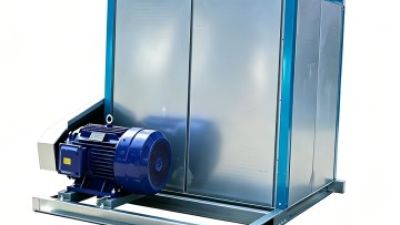
So you're on the hunt for the best China low-noise cabinet centrifugal fan box supplier? Sure, start with how quiet it is — but honestly, that's just the beginning. A really good unit needs to actually push the air you need, fit into the space you've got, and keep running smoothly non-stop without any hiccups. When you're talking to suppliers, make sure to ask them for the fan curves, the exact conditions they tested the sound under, motor specs, and the cabinet dimensions. Don't be shy — dig into those details! You can't just throw numbers around, you know? You've gotta compare like with like. I mean, a decibel figure on its own—sure, it looks impressive—but without knowing the test distance or the operating point, it's only giving you a piece of the puzzle, not the whole picture.
For what it's worth, the expert voice you're about to hear is a fictional composite we put together for transparency—not a verified quote. In this guide, ventilation specialist Ethan Brooks puts it simply: 'A quiet fan box earns trust when its noise data, airflow performance, and installation details all agree.' That's a handy test, though not a guarantee by any means. So when you're reviewing a Cabinet Centrifugal Fan, go ahead and check the impeller balance, vibration isolation, access panels, and the finish around those seams. Those little details often tell the real story. You know, it's the little things that can bite you—like a panel that's not tight enough, and next thing you know, it's rattling away. So when you're dealing with a supplier, ask them straight up: how do you check these before they ship? And don't just take their word for it—ask for the test records for the exact model you're considering. Photos can give you a rough idea, but they don't prove anything. You need the real docs.
Hey, so this article digs into supplier capability, customization, quality checks, communication, and after-sales support. It also looks at the nitty-gritty like lead times and whether you can actually get spare parts. You know, a shiny brochure can be really convincing, but the real test is if the product you get actually matches what they promised. And here's the thing – comparisons aren't always perfect because suppliers might run tests differently. That's worth a closer look, not just a wild guess. What we really need is a shortlist that's been carefully picked, you know? Not just a rushed deal where we say 'this supplier's the best' without thinking it through.
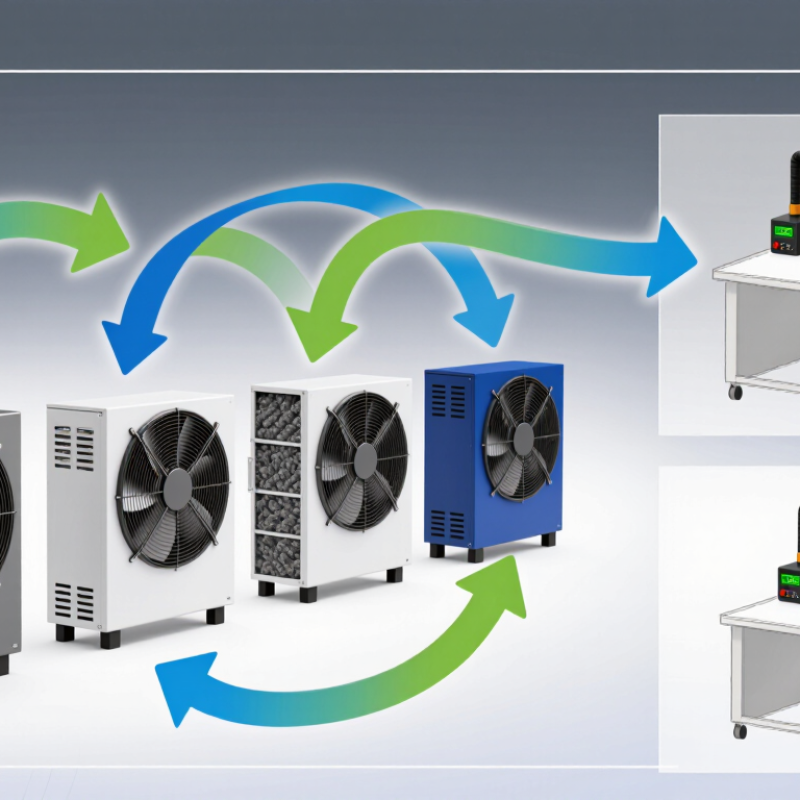
A low-noise cabinet centrifugal fan box is a centrifugal fan enclosed in a purpose-built cabinet. The enclosure helps contain mechanical sound and can reduce noise reaching nearby rooms. Inside, the impeller draws air in and pushes it through a duct system. Depending on the design, the box may include acoustic lining, flexible connections, and vibration isolators. It is quieter, not silent. Air speed, duct bends, and loose panels can still create noticeable noise.
A well-chosen Cabinet Fan should match the required airflow and available space. Check its rated airflow and pressure against the system, rather than choosing by motor power alone. Inspect the access panels, seals, and mounting points; small gaps or poor installation can undermine noise control. Sound measurements also depend on where and how they are taken, so compare products using consistent test conditions. Real installations can differ from catalogue figures.
Tips: Keep ducts smooth and avoid sharp bends near the fan. Use secure mounts and check that panels do not rattle during operation. Leave room for cleaning and inspection. Acoustic lining needs to suit the air temperature and environment. One detail is easy to miss: a quieter fan may not solve noise caused elsewhere in the ductwork.
A cabinet centrifugal fan moves air by spinning an impeller inside a protective housing. Air enters near the center of the wheel, usually through an inlet opening. Curved blades catch it and drive it outward by centrifugal force. The housing then collects this moving air and guides it toward the outlet. The motor supplies the rotation, while the impeller shape and speed affect airflow and pressure.
The cabinet matters, too. A well-fitted enclosure can reduce direct motor and airflow noise, but it cannot remove every sound. Vibration may travel through mounting feet or connected ductwork. Watch for it. Rubber isolation mounts, a balanced impeller, and smooth transitions at the inlet and outlet can help limit rattling and turbulence. In a real installation, a loose panel can become surprisingly loud. Noise also depends on operating conditions, so compare sound levels at the intended airflow and pressure, not just at idle. That detail is easy to overlook. A fan that sounds quiet in an empty room may behave differently once ducts and nearby surfaces are involved.
Cabinet centrifugal fan noise depends on blade design, rotational speed, inlet conditions, and how the housing handles vibration. A sharp hiss may point to restricted intake flow; a low hum can come from motor vibration or a cabinet panel resonating. Dust on the wheel can also disturb balance. Small details matter.
The U.S. Department of Energy’s Improving Fan System Performance sourcebook describes the fan affinity laws: airflow changes with speed, pressure with speed squared, and power with speed cubed. A 10% speed increase therefore means about 10% more airflow and 21% more pressure, under comparable conditions. More airflow is not automatically quieter.
System resistance matters just as much. Tight bends, undersized filters, and narrow grilles can create turbulence and raise noise while reducing delivered airflow. AMCA Publication 300 sets out a standardized method for measuring fan sound, helping buyers compare test results under defined conditions. Such figures do not guarantee the same noise in a finished installation.
Ask for airflow and sound data at the intended operating point, not just a maximum rating. Check cabinet panels, flexible connectors, and clearance around the inlet during commissioning.
One caveat: field noise can still differ from laboratory readings, and that gap deserves attention.
Cabinet centrifugal fans are commonly used wherever steady airflow matters and equipment noise needs control. In offices, hotels, and classrooms, they support ventilation in ceiling voids or mechanical rooms, away from desks and guest areas. Their enclosed casing can help limit operating noise and simplify duct connections. Still, actual sound levels depend on fan speed, duct design, installation, and maintenance.
These units also serve commercial kitchens, workshops, and indoor parking areas, where ventilation systems may need to move air through longer duct runs. In hospitals and laboratories, they can form part of carefully designed supply or exhaust systems; airflow requirements and filtration must match the space. A Centrifugal Fan Hvac setup should be selected for the required airflow and pressure, not just its stated capacity. A poor match can create vibration, excess noise, or weak ventilation. Quiet does not mean silent.
Tips: Check available installation space, duct resistance, and service access before choosing a unit. Keep filters and impellers clean, and inspect mounting points for vibration. Real buildings vary, so measured performance may differ from catalog figures.
| Application | Common Installation Areas | Typical Ventilation Function | Low-Noise Design Considerations | Selection and Installation Notes |
|---|---|---|---|---|
| Offices and commercial buildings | Mechanical rooms, ceiling voids, plant rooms, and ventilation risers | Supply or extract air for occupied spaces and support building ventilation systems | Use a correctly sized fan, vibration isolators, flexible duct connections, and suitable silencers where required | Confirm the required airflow and external static pressure, and consider access for filter changes and maintenance |
| Hotels and residential buildings | Service rooms, shared ventilation ducts, and designated plant areas | Provide ventilation for common areas or serve centralized supply and exhaust systems | Pay attention to vibration transmission and duct-borne noise near bedrooms and other quiet spaces | Check operating schedules, space constraints, duct layout, and local ventilation requirements |
| Hospitals and healthcare facilities | Mechanical plant rooms and ventilation-system service areas | Support air movement in general ventilation systems | Consider fan noise, vibration isolation, and maintenance access without compromising system cleanliness | Airflow direction, filtration, pressure relationships, and equipment specifications should be set by the project’s qualified HVAC designer |
| Retail stores and shopping centers | Back-of-house areas, plant rooms, and ceiling-mounted ventilation zones | Supply or extract air for shops, corridors, and other shared spaces | Keep the fan and ductwork away from sensitive occupied areas where practical; use appropriate acoustic treatment | Allow for variable operating demand and verify the fan’s duty point against the system resistance |
| Underground parking garages | Ventilation plant rooms and designated garage ventilation zones | Move air as part of a designed garage ventilation system | Acoustic treatment may be needed near adjoining occupied areas; vibration isolation can help limit structure-borne noise | Fan controls, airflow rates, and any emergency or smoke-control function must comply with applicable codes and use appropriately approved equipment |
| Commercial kitchens | Kitchen exhaust systems and nearby service areas | Extract air when the fan is specifically selected and constructed for the kitchen exhaust duty | Noise control should account for duct velocity, fan operating point, vibration, and any required acoustic treatment | Grease-laden exhaust requires suitable materials, access for cleaning, and compliance with applicable fire and ventilation codes; a standard cabinet fan may not be suitable |
| Light industrial and workshop facilities | Plant rooms, production areas, and local ventilation systems | Provide general supply or exhaust ventilation, depending on the process and system design | Choose a fan that operates efficiently at the required duty point and isolate vibration from supporting structures | Check air temperature, dust or contaminant levels, corrosion exposure, and whether special fan construction is needed |
| Data centers and equipment rooms | Mechanical rooms and ventilation or heat-rejection system areas | Support ventilation and heat-management systems where specified by the facility design | Consider continuous operating conditions, vibration, and noise transfer to nearby work areas | Confirm the fan’s duty point, operating hours, control strategy, and compatibility with the overall cooling design |
Selection note: “Low noise” performance depends on the fan’s operating point, installation, duct design, vibration isolation, and acoustic treatment. Compare published sound data under stated test conditions, and have the system checked against the project requirements and applicable local codes.
A reliable Chinese cabinet centrifugal fan box supplier should show how its Hvac Fan performs at your actual airflow and static pressure, not just quote a low-noise figure. The U.S. Department of Energy’s Improving Fan System Performance sourcebook reports that fan systems use about 15% of electricity consumed by industrial motor-driven systems in the United States. Efficiency matters. Ask for a performance curve, motor details, and sound-power test conditions. A decibel number without distance, room conditions, or operating speed is hard to compare.
Request test records based on recognized methods, such as ISO 5801 for aerodynamic performance and AMCA 300 for sound testing. Then check whether the tested unit matches the proposed cabinet, impeller, and motor. Look closely at vibration results, balancing records, panel seals, and access for maintenance. Small details count. A loose door panel can rattle even when the fan itself tests quietly. I would also ask for a sample inspection plan and written tolerances. A polished datasheet is useful, but it cannot replace consistent production evidence. Some suppliers may not have every test available; treat that as a gap to clarify, not proof of poor quality. Compare response speed, technical answers, and after-sales support alongside price.
Before ordering a cabinet centrifugal fan box, request its fan curve at your actual airflow and static pressure—not just its maximum capacity. Check the sound-pressure figure, measurement distance, and test conditions; “low noise” without these details is hard to compare. The U.S. Department of Energy’s Improving Fan System Performance sourcebook estimates that fan systems account for about 7% of U.S. electricity use, making efficiency worth checking alongside noise. Ask for motor input power and efficiency at your operating point. Small details matter.
Confirm cabinet dimensions, inlet and outlet orientation, voltage, frequency, insulation, and access-panel clearance in a signed drawing. For performance evidence, ask whether airflow and pressure were tested using AMCA 210/ASHRAE 51 methods. Request vibration readings and a written inspection record, too. An Hvac Vent Fan that sounds quiet in a showroom may behave differently after ductwork adds resistance. It is easy to overlook this. Ask the supplier to state materials, tolerances, packaging, and delivery terms in writing, then compare the same specifications across quotations. A polished brochure is useful, but it is not test evidence; I would still verify the operating point before approving production.
A practical priority guide for comparing fan box specifications and supplier documentation.
Scores are an editorial screening guide, not survey results or product test data. Confirm airflow and external static pressure at the required operating point, and request clearly defined acoustic test conditions, vibration data, material details, and relevant test documents before ordering.
Industrial facilities and commercial buildings need dependable ventilation without adding unnecessary noise to workspaces. A sound-insulated cabinet fan addresses both concerns: its high-performance motor and airflow components sit inside a durable steel enclosure designed to reduce operating noise and help protect internal parts from dust and damage. In offices, hotels, shopping malls, factories, and underground spaces, this enclosed design can support steady air movement where compact installation and quieter operation matter.
Energy use is also important in ventilation planning. The International Energy Agency’s *Tracking Clean Energy Progress 2023* reports that building operations account for about 30% of global final energy consumption, underlining the value of efficient building services. A cabinet fan designed for low energy consumption can help manage ventilation demand, though actual savings depend on system design, operating hours, and airflow requirements. Pairing the unit with compatible HVAC equipment helps integrate it into existing systems and maintain appropriate air circulation.
For industrial and commercial applications, a robust casing, straightforward installation, and consistent airflow make cabinet fans a practical option for equipment rooms and occupied spaces alike. Selecting a model to match the required airflow and pressure—not simply the largest available capacity—can support efficient operation while limiting excess noise and energy use.
They support ventilation in offices, hotels, classrooms, kitchens, workshops, parking areas, hospitals, and laboratories. Units often sit above ceilings or in mechanical rooms. Noise control helps, but does not make them silent.
Fan speed, duct layout, installation, and maintenance all affect sound. Loose panels can rattle. Dusty impellers matter too.
Match airflow and static pressure to the actual system, including duct resistance. Do not rely only on maximum capacity. A poor match may cause weak airflow, vibration, or extra noise.
Request a fan curve, motor input power, efficiency, and sound-test conditions. Check the operating point. One decibel figure is not enough.
Confirm cabinet dimensions, inlet and outlet direction, voltage, frequency, insulation, and access-panel clearance. Use a signed drawing. Small omissions can become expensive.
Ask for test records, vibration readings, balancing details, panel-seal information, and written tolerances. Request a sample inspection plan. Paperwork helps, but it cannot prove every unit is consistent.
Compare technical responses, after-sales support, materials, packaging, and delivery terms. Put specifications in writing. Price alone can mislead.
Duct resistance can change airflow and sound compared with showroom conditions. Verify the planned operating point before production approval. I may be overchecking, but guessing is worse.
A Low Noise Cabinet Centrifugal Fan Box is an enclosed ventilation unit designed to move air efficiently while helping reduce operating noise. Its centrifugal fan draws air into the impeller and directs it outward into the cabinet’s airflow path. Performance and sound levels can be influenced by motor selection, impeller design, cabinet insulation, vibration control, airflow resistance, and installation quality. These units are commonly used in commercial buildings, factories, kitchens, and other settings that need dependable ventilation with controlled noise.
When evaluating a Chinese supplier, consider its product range, manufacturing capability, technical support, quality-control procedures, and ability to customize specifications. Before ordering, clarify the required airflow, static pressure, sound level, dimensions, power supply, materials, and operating conditions. Request clear product data and confirm packaging, lead time, inspection arrangements, and after-sales support so the selected fan box suits the intended application.