Picking out the right industrial ventilation fan isn't something to take lightly; it really makes a big difference for your facility. Like John Smith from VentTech Solutions always says, "The right fan can seriously affect both air quality and your energy bills." Figuring out which fan to go with starts with understanding what your place actually needs. Things like how much air the fan moves, how loud it gets, and how much energy it uses all play a part.
Your workspace should really influence your choice. For example, a big manufacturing plant might need a fan that moves tons of air, whereas a small workshop probably prefers something quieter. Miss these details, and you could end up with poor airflow or higher operating costs than you bargained for.
Honestly, a lot of businesses forget to think about their ventilation needs and just pick a fan based on price alone. That can lead to problems like frequent repairs or getting a new fan sooner than expected. Making an informed decision not only helps keep your workspace comfortable but also boosts safety and productivity. At the end of the day, balancing what’s affordable with quality is key when choosing the right [HVAC fan](https://www.cnwindshield.com/oem-custom-hvac-fan-exporters-manufacturers) for your projects.
Understanding the Importance of Industrial Ventilation Fans
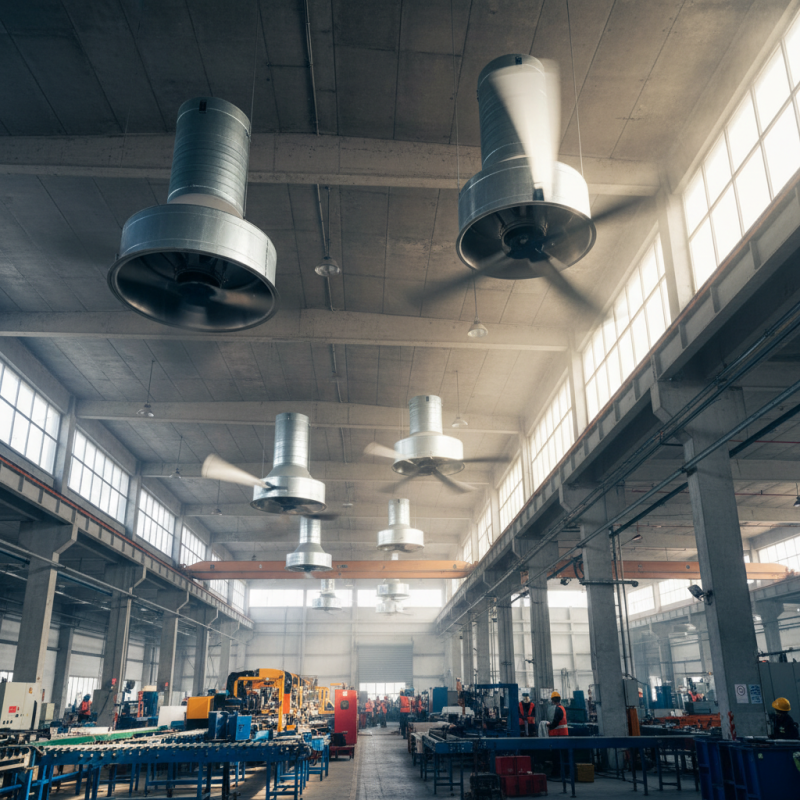
Industrial ventilation fans play a vital role in maintaining air quality and ensuring safety in manufacturing facilities. According to a report by the U.S. Occupational Safety and Health Administration (OSHA), inadequate ventilation contributes to numerous workplace hazardous conditions. This can lead to respiratory issues and increased risk of workplace accidents. Proper ventilation systems, including fans like Cabinet Fans, help to mitigate these risks by maintaining a constant flow of clean air.
Inadequate ventilation can have profound consequences. Research indicates that up to 30% of employees may experience health problems related to poor air quality. This not only affects productivity but also increases absenteeism. Cabinet fans are essential for exhausting contaminated air and introducing fresh air. However, selecting the right fan is not always straightforward. Factors like airflow requirements and the specific environment must be taken into account.
Understanding the exact needs of a facility is crucial. Some plants may require high-airflow fans, while others may need quieter, less obtrusive units. An incorrect choice can compromise air quality and lead to higher operational costs. The importance of proper selection cannot be overstated in creating a safe and efficient workspace.
Industrial Ventilation Fan Types and Their Applications
This chart illustrates the different types of industrial ventilation fans and their common applications in various industries. Understanding the specific use cases helps in selecting the right fan for your needs.
Types of Industrial Ventilation Fans and Their Applications
When selecting industrial ventilation fans, it's essential to understand the various types and their applications. There are three main categories:
axial fans,
centrifugal fans, and
mixed-flow fans.
Axial fans are common in applications requiring high volumes of air with low pressure. They excel in places like workshops and warehouses.
According to a report by the Industrial Ventilation Association, axial fans can move air at rates exceeding
100,000 CFM, making them ideal for large spaces.
Centrifugal fans, on the other hand, generate higher pressure and are suitable for systems needing more forceful airflow. They are widely used in
dust collection and fume extraction.
Research indicates that centrifugal fans can achieve pressures up to 12 inches of water column,
vital for more demanding environments. However, they tend to consume more energy than axial fans, raising operational costs.
The mixed-flow fan combines features of both types. It operates efficiently in applications requiring moderate air volume and pressure.
While it is versatile, the selection typically depends on specific operational needs and space constraints.
It’s crucial to assess your facility's requirements thoughtfully, as improper fan selection leads to inefficiency and potential ventilation issues.
Always consider consulting with an industry expert to ensure compliance with local regulations and maximize effectiveness.
Key Factors to Consider When Choosing a Ventilation Fan
Selecting the right industrial ventilation fan is crucial. When making your choice, consider air volume requirements. The fan must move an adequate amount of air. Industry standards suggest calculating CFM (cubic feet per minute). This metric gauges how much air the fan can move. A facility requiring high airflow needs a fan rated for larger CFM values.
Another important factor is noise level. Many ventilation fans produce varying sound levels. According to recent studies, noise can affect worker productivity by up to 20%. Ensuring the fan operates quietly is essential for maintaining a comfortable workplace.
Energy efficiency is also critical. An Hvac Vent Fan should consume less power while delivering high performance. Studies show that energy-efficient models can reduce electricity costs by nearly 30%. Keep in mind, selecting a fan that fits your specific needs is not just about technical specs. It's about creating a conducive work environment. Achieving that balance may require a few trials, and ongoing adjustments.
Calculating Airflow Requirements for Your Space
Calculating airflow requirements is crucial for selecting the right industrial ventilation fan. Proper airflow ensures a safe and comfortable working environment. According to the American Industrial Hygiene Association, inadequate ventilation can lead to hazardous conditions. Thus, organizations should assess their specific needs thoughtfully.
To calculate airflow, start with the space's volume. Multiply length, width, and height. For example, a room measuring 50 feet long, 30 feet wide, and 20 feet high has a volume of 30,000 cubic feet. Next, factor in the air changes per hour (ACH) required for your application. Different spaces have different ACH recommendations, often ranging from 5 to 15. This helps determine the total airflow in cubic feet per minute (CFM).
Using our earlier example, for a space requiring 10 ACH, you need 500 CFM. An Hvac Duct Fan rated at this capacity can effectively meet this requirement. Keep in mind that not all fans perform equally. Efficiency can vary. Some installations might require adjustments, especially when dealing with airflow restrictions. It's essential to revisit and analyze performance regularly to ensure ongoing efficacy.
Assessing Energy Efficiency and Performance Ratings
When choosing an industrial ventilation fan, energy efficiency and performance ratings are critical. These factors significantly impact operational costs and environmental footprint. According to the U.S. Department of Energy, poor ventilation choices can lead to energy losses of up to 30%. Therefore, it is essential to assess the fan's efficiency rating, often indicated by its wattage and airflow capacity.
To gauge performance, consider the fan's airflow, measured in cubic feet per minute (CFM). A fan that moves more air for less energy consumption will yield better efficiency. Industry studies suggest that fans with a higher CFM-to-watt ratio deliver optimal performance. However, achieving this balance can be challenging. Some users might focus too much on high CFM without considering the required duct size, leading to inadequate airflow in certain areas.
Additionally, the fan's sound level and durability should not be overlooked. Fans operate in varied industrial environments, and a noisy fan can hinder productivity. Research indicates that units operating above 70 decibels may distract workers. Over time, exposure to such noise levels can affect their health. Therefore, assessing both performance and comfort remains essential in choosing the right fan for specific needs.
How to Choose the Right Industrial Ventilation Fan for Your Needs?
| Fan Type |
Airflow (CFM) |
Energy Rating (kW) |
Noise Level (dB) |
Performance Rating |
| Axial Fan |
2000 |
1.5 |
60 |
High |
| Centrifugal Fan |
1500 |
2.0 |
70 |
Medium |
| Belt Drive Fan |
1800 |
1.8 |
65 |
High |
| Direct Drive Fan |
2200 |
1.3 |
55 |
Very High |
| Mixed Flow Fan |
1700 |
1.6 |
68 |
Medium |
Noise Levels and Acoustic Considerations in Fan Selection
When selecting an industrial ventilation fan,
noise levels are a vital consideration. Loud fans can create an uncomfortable work environment.
People may struggle to communicate or focus. Acoustic considerations
should be part of your evaluation process.
Understand the sound pressure levels of different fans. Some designs minimize noise through engineering.
Fans with sound-dampening features can be more productive in sensitive areas.
Look for specifications that detail decibel levels. Additionally, consider how the fan's location impacts sound distribution.
Fan Coils Hvac
systems often include noise-reduction measures. However, the actual performance can vary.
Testing in real scenarios is essential to gauge effectiveness. You may find that some fans, while quieter, may not provide the needed airflow.
When evaluating your options, prioritize both noise and efficiency.
Finding balance is key.
Maintenance and Longevity: Ensuring Optimal Fan Functionality
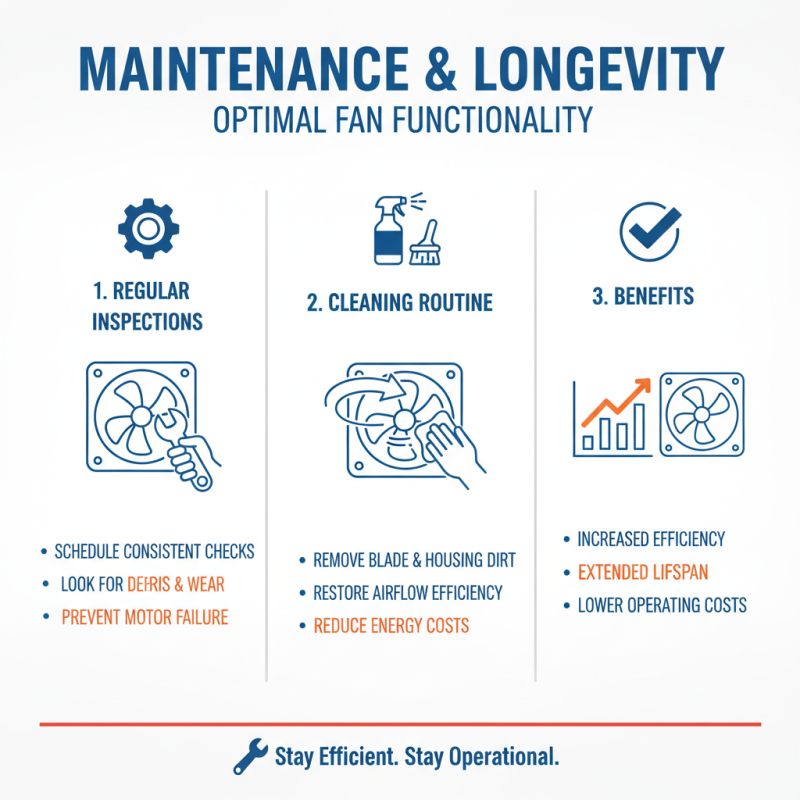
Maintaining an industrial ventilation fan is crucial for its longevity and efficiency. Regular maintenance can prevent common issues like motor failure or insufficient airflow. Schedule consistent inspections to check for debris accumulation. Clean the blades and housing to ensure optimal airflow. Neglecting these tasks can lead to decreased performance and higher energy costs.
Fan longevity hinges on proper use and environment. Make sure the fan is suitable for the specific application. Consider factors such as humidity, temperature, and dust levels. It might be frustrating to realize that some choices can limit effectiveness. Adjustments in placement can also make a big difference. Monitors and sensors can aid in assessing performance over time.
Routine checks on fan bearings and belts are essential. Listen for unusual sounds or vibrations that may indicate trouble. Addressing small problems can prevent larger, more expensive repairs later. While upkeep requires effort, the benefits far outweigh the challenges. A reliable fan enhances air quality and worker safety, ensuring a productive work environment.
FAQS
: The three main types are axial fans, centrifugal fans, and mixed-flow fans.
Axial fans are used in large spaces like workshops and warehouses. They handle high air volumes with low pressure.
Centrifugal fans generate higher pressure, making them suitable for dust collection and fume extraction systems.
Mixed-flow fans efficiently handle moderate air volumes and pressures, combining features from both axial and centrifugal fans.
Loud fans can create an uncomfortable work environment, impacting focus and communication.
Assess sound pressure levels and check for features that minimize noise, like sound-dampening designs.
Not necessarily. A quieter fan may not provide sufficient airflow, so efficiency must also be considered.
The fan's placement can impact how sound is distributed, potentially amplifying or reducing noise in certain areas.
Industry experts can help ensure compliance with regulations and recommend solutions tailored to specific operational needs.
Improper fan selection can lead to inefficiency and ventilation issues, ultimately causing operational challenges.
Conclusion
Choosing the right Industrial Ventilation Fan is crucial for maintaining air quality and ensuring a safe working environment in industrial settings. Understanding the importance of these fans begins with recognizing their role in controlling temperature, humidity, and airborne contaminants. There are various types of industrial ventilation fans, each suited for specific applications, ranging from exhaust fans for removing stale air to supply fans for bringing in fresh air.
When selecting an industrial ventilation fan, several key factors must be considered, including airflow requirements, energy efficiency, and performance ratings. It is essential to calculate the airflow needs of your space to ensure optimal functionality. Additionally, assessing noise levels and acoustic considerations is important to minimize disruptions in the workplace. Finally, planning for maintenance and longevity will help ensure that the fan operates efficiently over its lifespan, providing a sustainable solution for your ventilation needs.