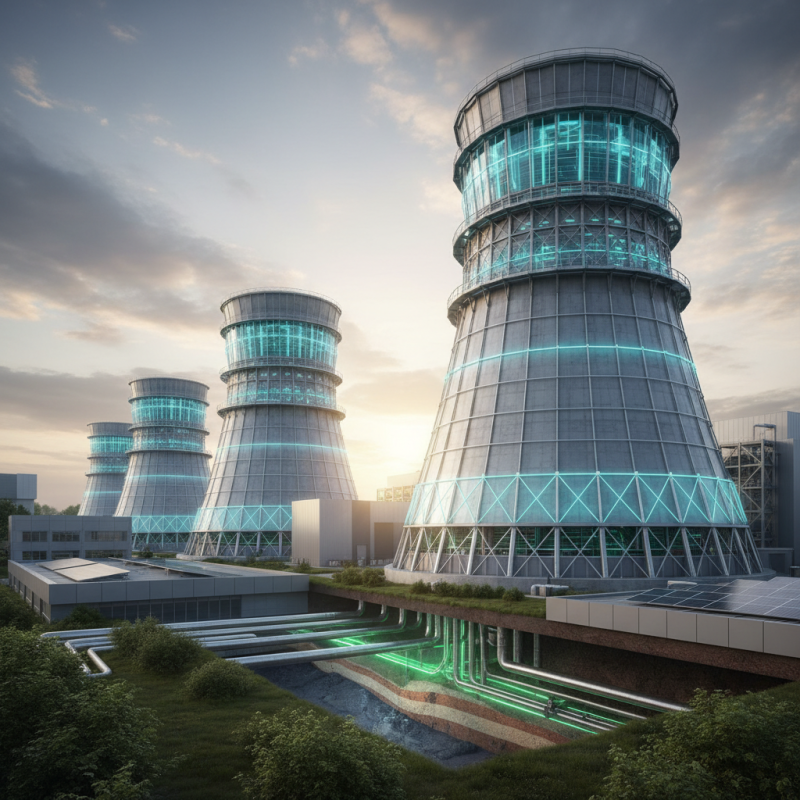
Lately, it feels like everyone’s talking about more sustainable building tech, especially when it comes to cooling solutions. One option that’s really catching people's attention is the Geothermal Cooling Tower. These things are pretty impressive — the U.S. Department of Energy even says geothermal systems can be up to 50% more efficient than the regular cooling methods we’re used to. That’s a big deal, especially with energy prices climbing all the time. Jerry Thompson from EcoHeat Solutions summed it up nicely: “Geothermal Cooling Towers really change how we think about energy efficiency.”
Advantages of Geothermal Cooling Towers in Modern HVAC Systems
Geothermal Cooling Towers are emerging as a preferred choice for efficient HVAC systems. They utilize the Earth's stable temperatures to provide cooling solutions that are both energy-efficient and sustainable. According to the U.S. Department of Energy, using geothermal systems can reduce energy consumption by 30% to 60% compared to traditional cooling systems.
There are several advantages to integrating geothermal cooling towers. They not only lower energy bills but also have a longer lifespan. Typically, geothermal systems last over 25 years with minimal maintenance. In contrast, traditional systems may require more frequent repairs and replacements. The initial investment may seem high, but the long-term savings often justify the cost.
Tip: Regular maintenance can enhance performance. Inspecting the cooling tower regularly helps identify potential issues before they escalate. Additionally, focus on insulation to improve energy efficiency.
Environmental impact is another important factor. Geothermal cooling towers have a much lower carbon footprint. They contribute to reduced greenhouse gas emissions. While the installation process can be complex, the benefits gained are substantial. Consider local regulations when planning geothermal installations. Proper site assessment is crucial for optimal performance.
How Geothermal Cooling Works: A Technical Overview
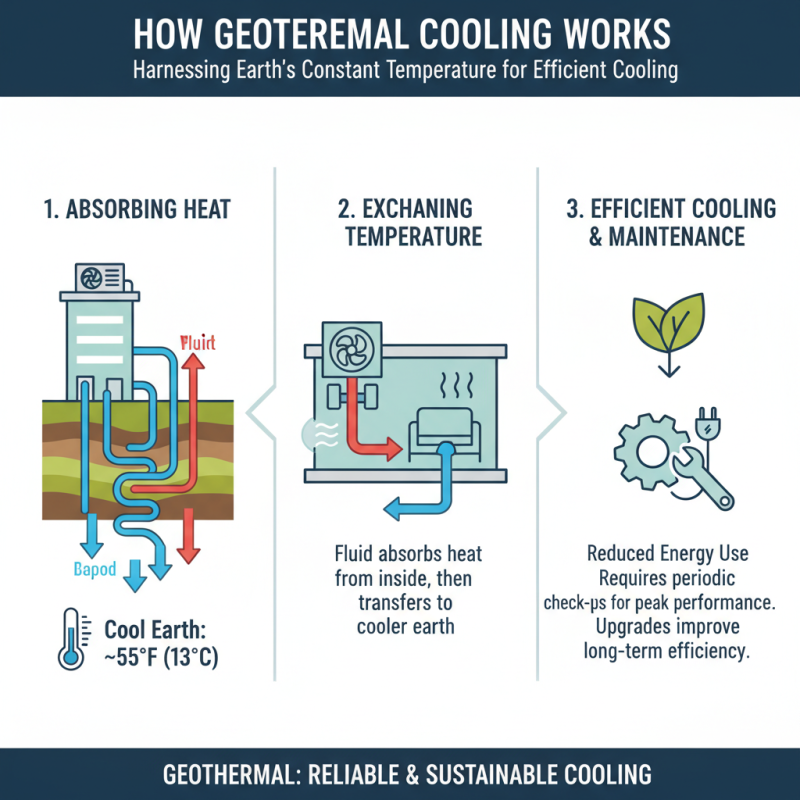
Geothermal cooling towers utilize the natural temperature of the earth to provide efficient cooling. By harnessing the constant, cooler temperatures found underground, these systems can significantly reduce energy consumption. The process involves circulating a fluid through underground pipes. This fluid absorbs heat and returns cooled to the surface. Over time, the efficiency of geothermal systems can diminish, requiring maintenance and occasional upgrades.
Understanding how geothermal cooling works is essential. It begins with the ground heat exchanger, which is buried below the frost line. This ensures stable temperatures year-round. The heat exchanger transfers heat from the fluid to the earth during warmer months. As this fluid circulates back, it maintains a consistent temperature. The technology relies on the earth’s ability to act as a heat reservoir. Yet, variations in soil composition and water table levels can impact system performance.
Effective implementation requires careful planning and expertise. Each site has unique geological characteristics. A detailed analysis is vital to determine feasibility. Sometimes, challenges arise, including inadequate space for drilling or unexpected soil conditions. Engaging with local experts can aid in overcoming these obstacles. The investment in geothermal technology can be significant but often pays off in reduced energy costs and environmental benefits. Users must weigh costs against efficiency gains.
Energy Efficiency Benefits of Geothermal Cooling Solutions
Geothermal cooling towers are an innovative solution for energy-efficient cooling. They utilize the earth's natural temperature to provide cost-effective cooling options. This method draws on the stable underground temperatures, significantly reducing the energy consumption compared to traditional systems.
One primary benefit is their minimal environmental impact. These systems reduce greenhouse gas emissions and reliance on fossil fuels. A Cooling Tower can efficiently circulate water, absorbing heat from indoor spaces. However, installation requires careful planning and expertise. Without proper implementation, even the best systems may underperform or face issues.
When considering geothermal solutions, it’s essential to evaluate site specifics. Not every location is suitable for these systems. Soil types, available space, and existing infrastructure play crucial roles. While geothermal solutions offer many benefits, their complexity can be a barrier. Regular maintenance is also vital for ensuring long-term efficiency.
Why Choose Geothermal Cooling Towers for Efficient Cooling Solutions? - Energy Efficiency Benefits of Geothermal Cooling Solutions
| Benefit |
Description |
Efficiency Rating |
Cost Savings (%) |
| Energy Efficiency |
Utilizes the earth's stable underground temperature for cooling. |
30% more efficient than traditional systems |
25% in operation costs |
| Environmentally Friendly |
Significantly reduces greenhouse gas emissions. |
CO2 emissions reduced by up to 50% |
N/A |
| Long-Term Durability |
Less wear on system components leads to longer life spans. |
Life span of 25+ years |
N/A |
| Low Maintenance Costs |
Fewer moving parts mean lower maintenance needs. |
Maintenance costs reduced by 50% |
30% in total maintenance expenditures |
| Heat Recovery |
Can provide both cooling and heating through the same systems. |
Heat recovery efficiency of 80% |
20% savings on heating costs |
Environmental Impact: Geothermal Cooling Towers vs. Traditional Systems
Geothermal cooling towers present a promising alternative to traditional cooling systems. They utilize the Earth’s natural temperature to provide efficient cooling. According to the U.S. Department of Energy, geothermal systems can reduce energy consumption by 30-60% compared to conventional cooling methods. This significant reduction leads to smaller carbon footprints, making them an eco-friendly option.
One critical aspect is water usage. Traditional cooling systems often consume large volumes of water, which can strain local resources. In contrast, geothermal systems typically use closed-loop systems that limit water withdrawal. The Environmental Protection Agency reports that such systems can reduce water consumption by approximately 90%. However, not all regions are favorable for geothermal systems due to geological limitations. This disparity poses challenges and necessitates further exploration of suitable sites.
Cost efficiency is another concern. While the initial installation expenses for geothermal systems can be high, long-term savings on energy bills can offset these costs. Estimates show that geothermal cooling can have a payback period of 5 to 10 years. Despite these benefits, the upfront investment may deter some potential users. Awareness of local conditions and thorough assessments can help address these issues, ensuring informed decisions.
Cost-Effectiveness of Geothermal Systems: An Economic Perspective
Geothermal systems have gained attention for their unique cost-effectiveness. A study by the National Renewable Energy Laboratory indicates that geothermal cooling can reduce energy costs by up to 50% compared to traditional systems. These savings stem from the stable underground temperatures, which eliminate the energy-intensive process of conventional cooling.
The initial investment in geothermal systems can be significant. However, the long-term operational costs often lead to substantial savings. According to the U.S. Environmental Protection Agency, these systems can last over 25 years with minimal maintenance. This durability enhances their value proposition, especially for larger installations.
Geothermal cooling towers offer a unique approach. They utilize the earth’s natural temperature. While the upfront costs may deter some businesses, the return on investment can be impressive. A report from the International Energy Agency suggests these systems contribute to lower carbon emissions, potentially qualifying users for various tax incentives. Yet, the technology's accessibility varies by region, which can impact its perceived cost-effectiveness. This dynamic underscores the importance of localized market research before implementation.
Applications of Geothermal Cooling in Various Industries
Geothermal cooling systems are gaining traction across various industries due to their efficiency and sustainability. In the commercial sector, for instance, a report by the U.S. Department of Energy highlights that geothermal cooling can reduce energy costs by up to 70%. Facilities like hospitals and data centers are adopting these systems, benefiting from their reliability during peak demand times.
In agricultural settings, geothermal cooling helps maintain optimal temperatures for crops, enhancing yields. The American Society of Agricultural and Biological Engineers states that temperature regulation is crucial for plant growth. Additionally, livestock housing has seen improved animal welfare through geothermal cooling, which provides a stable environment. However, not all farms have the infrastructure needed for these systems, raising questions about accessibility.
The industrial sector also reaps benefits from geothermal cooling. Manufacturing plants report decreased downtime and enhanced efficiency. A 2022 research article indicated that companies utilizing geothermal solutions increased productivity by 15%. Yet, transitioning to geothermal solutions can be capital-intensive for some industries, highlighting the need for incentives and support. This transition often requires further research into site-specific conditions to ensure long-term effectiveness.
Future Trends and Innovations in Geothermal Cooling Technology
Geothermal cooling technology is evolving rapidly, offering innovative solutions for efficient cooling. A recent report from the International Energy Agency (IEA) indicates that geothermal systems can reduce operational costs by up to 40% compared to traditional cooling methods. This shift is crucial as companies look for sustainable options to meet growing energy demands.
Innovations in geothermal cooling towers, such as the integration of smart technology, enhance performance and monitoring capabilities. These towers now feature advanced sensors and controls that optimize energy usage. According to a study published by the Geothermal Resources Council, the reliability of geothermal systems has improved significantly, with maintenance downtimes reduced by up to 30%. This trend indicates a move toward long-term, dependable solutions in cooling technologies.
Tip: Regular maintenance of Frp Cooling Towers can extend their lifespan. Ensure that inspections are routine to avoid unexpected failures.
Moreover, as climate change intensifies, the need for energy-efficient solutions becomes more urgent. The trend toward hybrid systems combining geothermal and renewable energy sources is gaining traction. However, the transition needs careful planning. Assessing site-specific conditions is essential. Not all locations may support geothermal setups effectively.
Efficiency of Geothermal Cooling Towers Over Traditional Cooling Methods
Optimizing Efficiency and Performance with Industrial Square Counterflow Cooling Towers
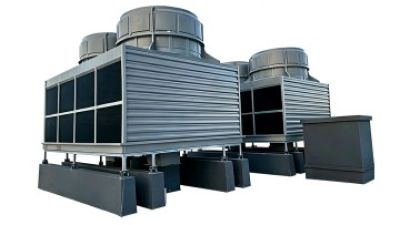
The industrial square counterflow cooling tower stands out as a leading solution for optimizing efficiency and performance in various industrial and HVAC applications. Its innovative design facilitates superior heat dissipation, ensuring that systems operate within ideal thermal conditions. The counterflow mechanism enhances heat exchange efficiency, providing a robust response to high-demand environments while maintaining a compact square shape that effectively saves valuable space.
Constructed from either durable fiberglass reinforced plastic (FRP) or sturdy galvanized steel, this cooling tower is adaptable to diverse working conditions, offering long-lasting reliability in challenging operational settings. Users will appreciate its low noise levels and energy consumption, which contribute to a quieter, more environmentally-friendly workplace. Additionally, the design allows for straightforward maintenance, further enhancing operational efficiency and minimizing downtime in factories, commercial buildings, and refrigeration projects. As industries continue to seek ways to maximize performance while reducing resource consumption, these square counterflow cooling towers represent a significant advancement in cooling technology.
FAQS
: Geothermal cooling uses underground temperatures to cool air efficiently. It circulates fluid through buried pipes to absorb heat.
A heat exchanger transfers heat from the fluid to the earth. It is buried below the frost line for stable temperatures.
They can reduce energy costs significantly, sometimes by up to 70%. They are also environmentally friendly.
Soil composition and water table levels can impact system efficiency. Unique geological conditions are crucial for success.
Yes, the initial investment can be high. However, long-term savings on energy costs often justify the expense.
With minimal maintenance, these systems can last over 25 years. Their durability enhances their overall value.
Various industries, including healthcare, agriculture, and manufacturing, benefit from geothermal cooling solutions for efficiency.
Challenges include inadequate space for drilling and unexpected soil conditions. Local expertise can help overcome these issues.
Geothermal systems offer lower energy costs and reduced carbon emissions. However, their accessibility might vary by region.
Yes, site-specific conditions should be studied before installation. This ensures long-term effectiveness and investment returns.
Conclusion
Geothermal Cooling Towers present a highly efficient solution for modern HVAC systems, leveraging the Earth's natural temperature stability to regulate indoor climates. By utilizing the principles of geothermal cooling, these systems offer significant energy efficiency benefits, reducing operational costs and minimizing environmental impact compared to traditional cooling methods.
In addition to their ecological advantages, geothermal cooling solutions demonstrate strong economic viability, making them appealing for various applications across different industries. As technology advances, further innovations in geothermal cooling are anticipated, reinforcing its role as a sustainable and cost-effective alternative in the pursuit of effective cooling solutions.