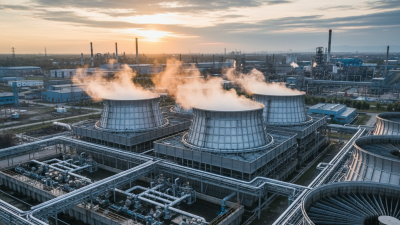
A Square Counterflow Cooling Tower is pretty important in a bunch of industrial setups. Basically, it’s the go-to equipment for getting rid of heat from different processes, which helps keep everything running smoothly and reliably. You’ll find lots of industries counting on it to perform at their best.
If you’re trying to get a grip on how it works, here’s the scoop: water flows down, while air moves up through the fill material — it’s a clever setup called counterflow design that really boosts heat exchange. But it’s not all sunshine and rainbows; regular maintenance is key to keep things running properly and avoid problems like buildup or clogging.
The Square Counterflow Cooling Tower still plays a major role when it comes to managing heat. Making sure it’s installed correctly and kept under watch is super important for its efficiency. And honestly, operators should check in on how it’s performing now and then. That way, you can spot areas for improvement and save some hassle (and money) in the long run.
Definition of a Square Counterflow Cooling Tower
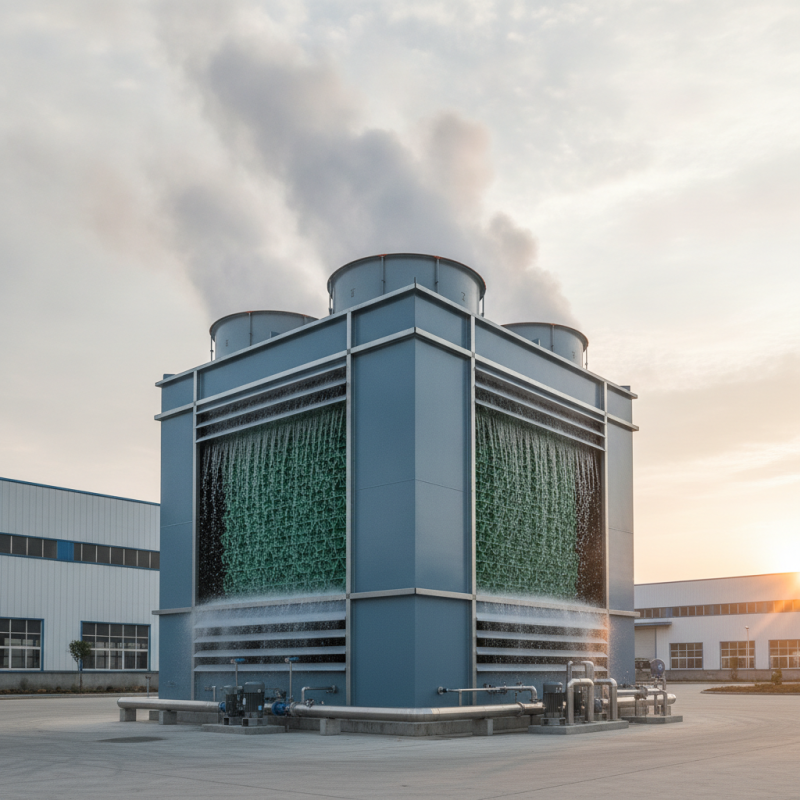
A square Counterflow Cooling Tower is a specialized cooling system that effectively dissipates heat from various industrial processes. Unlike traditional cooling towers, the square design allows for a compact footprint, making it ideal for facilities with spatial constraints.
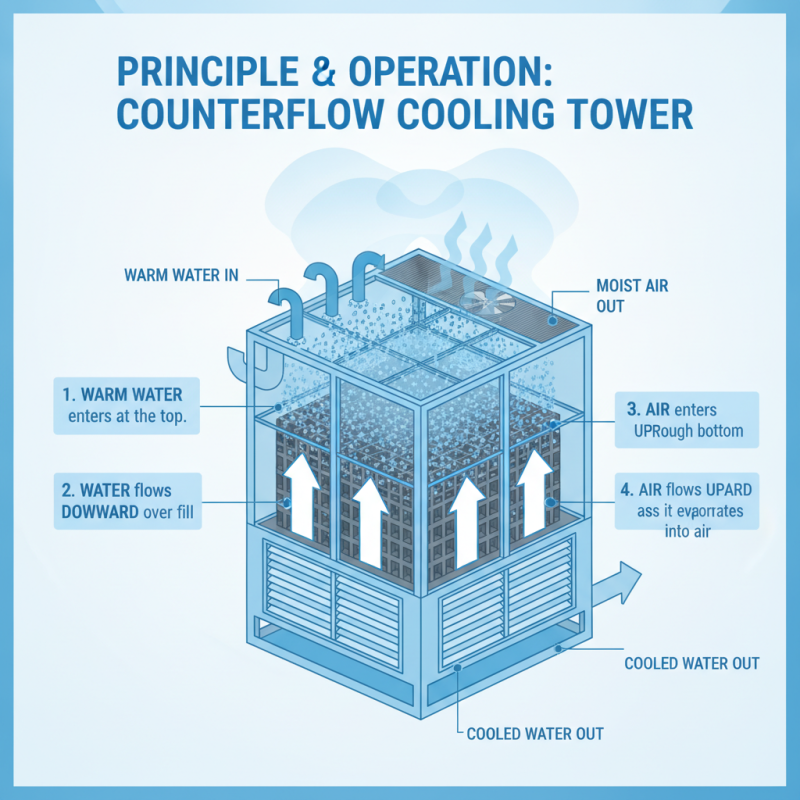
In this type of tower, warm water enters from the top and flows downward, while the cooling air moves upward, creating a counterflow effect. This design maximizes the efficiency of heat transfer and promotes superior cooling performance.
According to industry reports, approximately 40% of industrial water use goes to cooling processes, highlighting the importance of efficient cooling technologies. The square counterflow cooling tower typically operates with better thermal performance than other types. This is due to its unique airflow dynamics and surface area that facilitate prolonged water exposure to air.
However, the reliance on gravity and the arrangement of components can lead to some inefficiencies. Maintenance can also be a concern, as scaling and fouling may impact performance over time. Regular inspections and cleaning are essential for maintaining optimal functionality in a counterflow cooling tower.
Energy consumption is another significant factor. A well-designed square counterflow cooling tower can reduce energy use by up to 30%. However, achieving this efficiency requires careful planning and consideration of local climate conditions. Miscalculations in sizing and design can lead to underperformance. This suggests that ongoing evaluation and expert consultation are crucial when implementing such systems.
With the right approach, square counterflow cooling towers serve as a reliable solution for industrial cooling needs.
Principle of Operation in Counterflow Cooling Towers
Counterflow cooling towers, particularly square designs, efficiently cool water in various industries. The principle behind their operation relies on the interaction of water and air. Warm water is introduced at the top of the tower. As it descends, it spreads out in thin films over the fill material. Air enters from the bottom and moves upward, creating a counterflow effect.
This setup enhances heat transfer. The cooled water collects in the basin at the tower's bottom. The air absorbs heat and moisture as it rises, allowing for effective cooling. The design minimizes water loss while maximizing efficiency. A square layout can take up less space, making it easier to install in urban settings or tight installations.
**Tips:** Regular maintenance of the fill material and ensuring proper airflow is crucial for optimal performance. Inspecting for blockages can prevent airflow issues. Consider the tower's placement aligning with prevailing winds to improve air intake.
The effectiveness of the Frp Square Cooling Tower can also depend on ambient conditions. High humidity levels might reduce cooling efficiency. Reflect on the setup's adaptability to changing environments. Continuous learning about the counterflow mechanism will improve system reliability and usage.
Key Components of Square Counterflow Cooling Towers
Square counterflow cooling towers are vital in various industrial processes. They work by returning water to the cooling system after it has absorbed heat. This type of cooling tower is designed to optimize the heat exchange process, ensuring efficient cooling for many applications.
Key components play a significant role in the functionality of these towers. The fill media enhances the water's exposure to air, maximizing cooling efficiency. Drift eliminators minimize water loss, ensuring that the system operates effectively. Additionally, fans create the necessary airflow, assisting in heat removal from the water. Each of these components must work in harmony, highlighting the importance of regular maintenance. Minor damages can lead to significant energy inefficiencies and increased operational costs.
Proper design and installation are crucial for optimal performance. Choosing the right materials is essential for longevity. Despite their robustness, these towers require frequent inspections. Neglecting minor repairs can escalate into larger issues over time. Balancing efficiency and cost requires careful consideration and expertise. By paying attention to details, operators can improve their overall cooling system effectiveness.
Benefits of Using Square Counterflow Cooling Towers
Square counterflow cooling towers are becoming increasingly popular in various industries. They offer several advantages that contribute to their widespread utilization. One key benefit is their efficient heat exchange process. In a square counterflow design, water flows downward while air moves upward, maximizing contact between the two. This design can improve thermal efficiency by up to 25%, according to industry reports.
Additionally, square counterflow cooling towers require less footprint compared to traditional designs. This is a significant advantage in urban areas where space is limited. A detailed study indicates that using these towers can reduce space requirements by around 30%. Such efficiency does not only save space but also reduces construction and operational costs substantially.
Another critical aspect is maintenance. Counterflow systems tend to have fewer components exposed to water than other designs. This can lead to decreased risk of clogging and scaling. However, consistent monitoring is crucial. Failure to maintain water quality may still cause issues in the long term. Emphasizing routine maintenance can enhance overall reliability and operational lifespan. Keeping a close eye on performance metrics is essential for maximizing benefits.
What is a Square Counterflow Cooling Tower and How Does It Work? - Benefits of Using Square Counterflow Cooling Towers
| Feature |
Description |
Benefits |
| Design |
Square-shaped tower that allows water to flow down vertically while air moves upwards |
Efficient air-water contact for better cooling performance |
| Cooling Method |
Counterflow, where air travels against the water flow |
Enhanced heat transfer efficiency |
| Materials |
Typically made from fiberglass, steel, or concrete |
Durability and resistance to corrosion |
| Applications |
Used in industrial processes, HVAC systems, and power plants |
Versatile and suitable for various cooling needs |
| Maintenance |
Requires regular cleaning and inspections |
Ensures optimal performance and longevity |
| Energy Efficiency |
Designed for low energy consumption |
Reduces operating costs |
Common Applications of Square Counterflow Cooling Towers
Square counterflow cooling towers are commonly used in various industrial applications. They are essential in power plants, manufacturing facilities, and HVAC systems. The design allows water to flow counter to the airflow, promoting efficient heat exchange. This configuration enhances cooling performance, making these towers reliable for critical operations.
In power generation, square counterflow cooling towers help mitigate excess heat. They are vital for maintaining optimal temperatures in cooling systems. Industrial plants often use them to regulate processes and prevent overheating. Additionally, in large HVAC systems, they help ensure efficient operation. They play a key role in cooling chilled water, which is necessary for climate control.
While effective, these cooling towers can face challenges. They require regular maintenance to prevent algae growth and scaling. Neglecting upkeep may hinder performance. Operators must monitor for blockages and ensure correct water levels. Balancing efficiency and maintenance is crucial for optimal functioning. Each application presents unique challenges, necessitating careful consideration of design and operation.
Comparison with Other Types of Cooling Towers
When comparing a square counterflow cooling tower with other types, efficiency often stands out. This type of tower features a unique design. It allows water to flow downward while air moves upward. This counterflow mechanism enhances heat exchange, resulting in effective cooling performance. Compared to crossflow cooling towers, the square design occupies less ground space.
Tips: Regular maintenance is crucial for optimal performance. Keep the cooling tower free from debris. Inspect water distribution systems to ensure even flow.
Unlike traditional cooling towers, square counterflow variants are easier to install. Their compact shape also allows for better integration in tight spaces. However, they can sometimes present challenges in terms of water treatment. Contaminants like scale can build up if not properly managed.
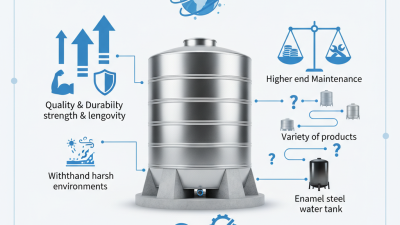
Tips: Consider installing a Stainless Steel Square Water Tank for effective water storage. It helps mitigate issues with water quality by reducing corrosion. Always monitor your system closely to catch potential problems early.
Maintenance and Efficiency Considerations for Cooling Towers
Maintenance is crucial for the efficiency of Square Counterflow Cooling Towers. Regular inspections can reveal issues before they escalate. According to the Cooling Technology Institute, failing to maintain these systems can lead to a 20% decrease in efficiency. It’s essential to clean the fill and remove debris that can block airflow. This simple step helps maintain optimal cooling performance.
Water quality is another significant factor. Cooling towers can suffer from scale and corrosion if water isn't treated properly. A report from the ASHRAE indicates that untreated water can result in up to 40% efficiency loss over time. Regularly monitoring water chemistry can prevent these issues. Implementing a filtration system can also be beneficial in reducing sediment buildup and improving overall reliability.
Finally, proactive maintenance can reduce energy costs. Inefficient cooling can cause energy bills to spike. Regular maintenance checks can identify worn components. Ignoring these can lead to costly repairs. The emphasis on scheduled maintenance peaks in facilities that operate continuously. Realizing that neglect impacts both performance and operational budget is key. Properly maintained Cooling Towers enhance overall system life and efficiency.
FAQS
: It is a cooling system that dissipates heat from industrial processes efficiently.
Warm water enters from the top, flows down, while air moves upward, creating a counterflow effect.
It offers a compact footprint, making it ideal for spaces with restrictions.
It can improve thermal efficiency by up to 25%, according to reports.
Yes, they require less space, which is vital in areas with space limitations.
Scaling and fouling can impact performance; regular cleaning and inspections are necessary.
A well-designed tower can reduce energy use by up to 30%, depending on conditions.
Miscalculations in sizing can lead to underperformance and inefficiencies.
It helps prevent long-term issues and enhances reliability and operational lifespan.
Monitoring performance metrics is essential for ensuring optimal functionality.
Conclusion
A Square Counterflow Cooling Tower is a specialized type of cooling tower designed to efficiently dissipate heat from industrial processes or HVAC systems. This cooling tower operates on the principle of counterflow, where water and air flow in opposite directions, maximizing heat exchange efficiency. Key components include the fill media, which increases surface area for heat transfer, fans for air circulation, and basins for water collection.
The benefits of utilizing Square Counterflow Cooling Towers include their compact design, enhanced thermal performance, and lower water consumption compared to other cooling tower types. These towers are commonly used in various applications, such as power generation, chemical processing, and refrigeration systems. When compared to other cooling solutions, their design allows for better maintenance ease and energy efficiency, making them a preferred choice in many industries. Regular maintenance and consideration of operational efficiency are crucial to ensuring optimal performance and longevity of these cooling systems.