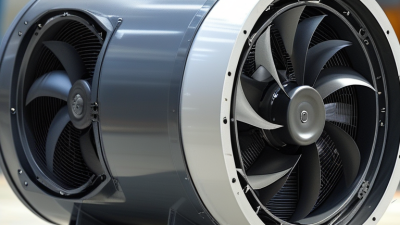
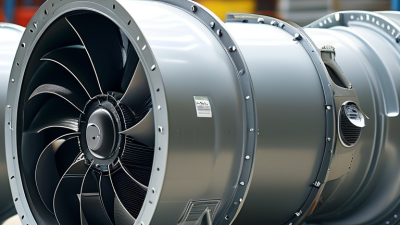
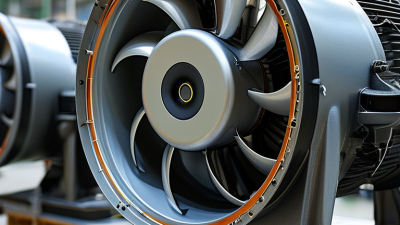
Axial Flow Fans play a pretty big role in a bunch of different industries these days. They’re essential for providing good ventilation and cooling, especially in tough environments. Over in China, industries are growing fast, and because of that, the demand for reliable, high-performance Axial Flow Fans has never been higher.
A lot of companies, like Xinxiang Tianfeng Fans, are really focused on developing advanced Axial Flow Fans. Their products help improve airflow and can also save energy — which is a big win. But it’s also important to actually evaluate these fans carefully. Not all models work well in every situation; some might fall short under certain conditions.
Knowing exactly what your facility needs is key here. You want an Axial Flow Fan that fits your operation perfectly. Some fans might make too much noise, or they might not deliver the airflow you’re expecting. It really pays to do your homework — research and testing are crucial to make sure you’re getting something reliable. As industries keep expanding, making smart choices about which fans to pick is more important than ever, especially for keeping things running smoothly and efficiently.
The Importance of Axial Flow Fans in Industrial Applications
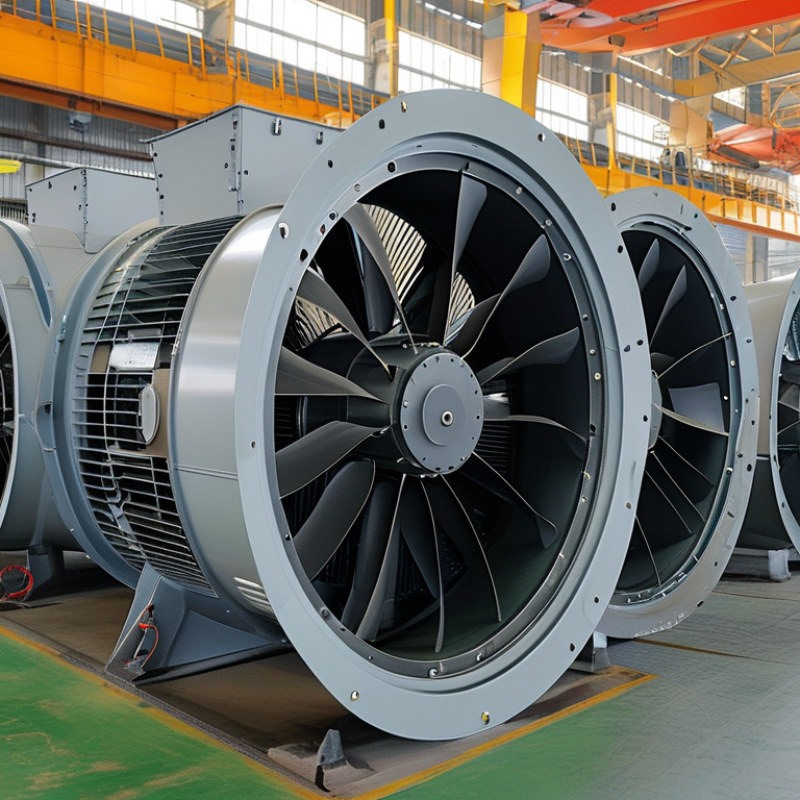
Axial flow fans play a crucial role in industrial applications, especially in China, where air circulation and cooling are essential. These fans move air efficiently in a linear direction and are widely used in various sectors, including manufacturing and power plants. According to a report by MarketsandMarkets, the global axial flow fan market is projected to reach $3 billion by 2025, highlighting their importance in industrial processes.
Effective cooling and ventilation are vital for maintaining equipment efficiency. The installation of devices like the Fire Smoke Axial Flow Fan can significantly improve air quality, reduce heat buildup, and enhance safety. Ensuring optimal airflow can prevent equipment failure and reduce operational costs.
When considering axial flow fans, pay attention to fan design and specifications. Proper sizing is critical for performance. Oversized units may lead to inefficiencies, while undersized models might not provide adequate airflow. Regular maintenance of axial flow fans can prevent issues and prolong their lifespan. Monitoring parameters such as noise levels and vibration can also indicate potential malfunctions. These proactive measures contribute to steady operations in industrial settings.
Key Factors Influencing Axial Flow Fan Efficiency
When selecting axial flow fans for industrial use, several key factors influence their efficiency. First, the design and blade configuration play a crucial role. The angle and shape of the blades determine how effectively air is moved. A well-designed blade can enhance airflow and reduce energy consumption dramatically.
Another important aspect is the motor type. High-efficiency motors often provide more power with less energy. They can also last longer, reducing replacement costs. Regular maintenance is essential too; worn bearings or misaligned components can lead to inefficiencies. Checking and adjusting these parts is vital for optimal operation.
The environment where fans operate matters. High temperatures or dust-laden air can affect performance. These conditions may require specialized fans that can work effectively in harsh environments. Understanding these factors can help industries maximize their axial flow fan's efficiency while also ensuring reliability and longevity. When considering cooling solutions, integrating Axial Flow Fans with systems like Cross Flow And Counter Flow Cooling Tower can enhance overall performance.
Overview of Axial Flow Fan Technology and Design Principles
Axial flow fans are crucial for efficient industrial processes. They operate on basic aerodynamic principles. The design focuses on moving air along the axis of the fan. This arrangement allows for high volume airflow at low pressure. The fan blades play a pivotal role in determining performance. Their angle and shape affect airflow efficiency significantly. A thoughtful design ensures optimal performance.
In industrial settings, noise levels are often a concern. Axial flow fans may generate noise due to their speed. This can lead to potential regulations on acceptable decibel levels. Engineers must balance efficiency and noise reduction. Materials used in blade design can also impact performance. Composite materials might enhance durability and reduce weight. However, they can be costly, challenging budget-limited projects.
Maintenance is another critical factor. Regular checks on fan components can prevent efficiency losses. Dust accumulation can hinder airflow, while worn bearings may increase resistance. Implementing a structured maintenance plan is necessary. This could ensure long-term reliability and performance. Identifying potential failure points is essential. There’s always room for improvement in efficiency and design choices. Understanding these nuances can enhance overall effectiveness in industrial applications.
Top Manufacturers of Axial Flow Fans in China: A Comparative Analysis
In the industrial sector of China, axial flow fans are vital for various applications. Their design allows for efficient air movement, which is crucial in processes like ventilation and cooling. According to a recent market report, the demand for axial flow fans in China has grown significantly, with an annual growth rate of around 5.3%. This trend highlights the importance of selecting the right manufacturer.
When comparing top manufacturers, several factors come into play. Efficiency ratings, noise levels, and durability are essential for selecting an axial flow fan. Some reports suggest that systems with high energy efficiency can reduce operating costs by up to 30%. However, not all manufacturers provide clear data on their products, making it challenging for buyers to make informed choices. This lack of transparency can lead to decisions based on incomplete information.
Market surveys show that while many companies offer axial flow fans, only a few consistently meet high standards. Questions arise about the reliability and longevity of less well-known manufacturers. Industrial users must be cautious when choosing suppliers to ensure that they maintain quality and performance benchmarks. Detailed comparison studies could prove beneficial, revealing areas where manufacturers may need improvement or innovation.
Top Axial Flow Fans for Efficient Industrial Use in China - Comparative Analysis
| Parameter |
Value 1 |
Value 2 |
Value 3 |
| Airflow Capacity (m³/h) |
5000 |
7000 |
9000 |
| Static Pressure (Pa) |
150 |
200 |
250 |
| Power Consumption (kW) |
3.5 |
5.0 |
7.5 |
| Efficiency (% |
85 |
88 |
90 |
| Weight (kg) |
120 |
150 |
180 |
Performance Metrics: Airflow, Static Pressure, and Energy Consumption
In industrial settings, axial flow fans play a crucial role in maintaining air quality and temperature. The performance of these fans can be assessed through three main metrics: airflow, static pressure, and energy consumption. Airflow, usually measured in cubic feet per minute (CFM), determines how much air a fan moves. In high-demand environments, a higher airflow figure is beneficial. Yet, achieving maximum airflow can often lead to increased energy consumption.
Static pressure is another key metric. It refers to the resistance the fan encounters while pushing air through ducts. A fan may boast high airflow but may struggle with static pressure. This discrepancy can lead to inefficiencies. It's vital for facilities to balance these specs to ensure optimal performance. Measuring both airflow and static pressure can reveal much about a fan's effectiveness.
Energy consumption must also be examined closely. A fan may provide substantial airflow but at a significant energy cost. Efficient fans should ideally deliver adequate airflow while keeping energy use low. Many facilities overlook this aspect. They focus solely on performance metrics without considering the impact on operational costs. An ideal fan strikes a balance, ensuring efficiency alongside performance. Keeping these factors in check can lead to improved overall savings and better sustainability in industrial operations.
Case Studies: Successful Industrial Applications of Axial Flow Fans
Axial flow fans play a crucial role in various industrial applications in China. These fans are known for their efficiency and high air movement capabilities. In a recent case study at a large manufacturing facility, axial flow fans were employed to improve ventilation. The results showed a significant reduction in heat and an enhancement in air quality. Workers reported better comfort levels and increased productivity.
One notable success story involved a chemical processing plant that faced challenges with temperature control. By integrating axial flow fans, the plant could maintain optimal temperatures while ensuring safety. These fans were strategically placed to maximize airflow, leading to improved process efficiency and lower energy costs.
Cooling Tower Fans are vital in maintaining the ideal environmental conditions in industrial settings. Regular inspections and maintenance are essential for optimal performance. It’s important to evaluate fan placement and airflow. Reflecting on past installations can highlight areas for improvement. Industries often overlook these aspects but addressing them can lead to significant gains.
Top Axial Flow Fans Efficiency in Industrial Applications
This chart illustrates the airflow efficiency of different axial flow fan models commonly used in industrial applications across China. Each model showcases varying efficiency levels, highlighting the relevance of selecting appropriate fans for enhancing operational performance.
Future Trends in Axial Flow Fan Technology and Industry Innovations
The axial flow fan industry in China is evolving rapidly, driven by technological advancements. The focus is shifting towards energy efficiency and enhanced performance. Modern designs emphasize lightweight materials and aerodynamics. These innovations reflect a growing awareness of sustainable practices within industrial settings.
Emerging trends include smart technology integration. IoT-enabled fans can monitor performance in real time. They can optimize airflow based on environmental conditions. This creates a more tailored solution for various applications. Maintenance becomes easier with predictive analytics, reducing downtime significantly.
However, challenges remain. The cost of these technologies can be prohibitive for smaller manufacturers. There is also a need for skilled technicians familiar with advanced systems. As the market continues to evolve, finding a balance between innovation and accessibility is crucial. Ethical considerations around energy consumption urge manufacturers to stay accountable. The future of Hvac Fans And Blowers seems promising, but ongoing adjustments are necessary.
FAQS
: Axial flow fans are crucial for air circulation and cooling in industries. They improve equipment efficiency and air quality.
Effective cooling reduces heat buildup. This leads to fewer equipment failures and lower operational costs.
Proper sizing ensures optimal airflow. Oversized fans cause inefficiencies, while undersized ones may not provide enough air.
Regular maintenance is vital. Monitoring noise levels and vibrations can indicate potential issues.
By enhancing ventilation, axial flow fans can lower temperatures and improve air quality. This boosts overall productivity.
Reflecting on previous setups can show areas needing improvement. Continuous learning can enhance future efficiency.
Conclusion
Axial flow fans play a crucial role in various industrial applications, providing efficient air movement essential for optimizing processes and maintaining environmental conditions. This article explores the importance of these fans, highlighting key factors that influence their efficiency, such as design principles and technology advancements. A comparative analysis of leading manufacturers in China helps to understand the market landscape and variations in performance metrics, including airflow, static pressure, and energy consumption.
Additionally, case studies showcasing successful industrial applications illustrate the effectiveness of axial flow fans in real-world scenarios. Looking ahead, the article identifies future trends and innovations in axial flow fan technology, indicating that ongoing developments in efficiency and performance will continue to shape their use in industries across China.