Leave Your Message
0%

A volume control fire damper isn't just about fitting neatly into a duct—it actually has to juggle two jobs at once: keeping airflow in check while still doing its life-safety thing when a fire breaks out. Come 2026, buyers will be sizing up suppliers on a bunch of fronts, from how wide their product range is to the quality of their technical docs, their manufacturing chops, and of course, how they handle after-sales support. The little details are what really make or break a choice.

So, when you're shopping around for a damper, you'll want to know which suppliers are actually worth your time and what you should be asking them before you even ask for a quote. It's not just the obvious stuff like sizing and what it's made of—you've gotta dig into the blade design, how the actuator works, and even think about how you're gonna get to it for maintenance. Also, make sure to ask for the installation guide and the performance specs that match what you're using it for. And here's the thing: a damper might look perfect on paper, but if you've messed up the duct opening or forgotten about the access panel, or your control system isn't compatible, you're gonna have a bad time. Honestly, the little stuff—like those tight clearances—is what trips people up every time.

Honestly, you can't just take supplier claims at face value. You've got to cross-check them against the latest product docs and what the project actually requires for that location. And don't forget to verify test reports, approvals, and traceability directly with the manufacturer or their authorized rep – not just from the catalogue. Availability, lead times, service coverage – these can all vary by region, and it's not always obvious until you dig a bit deeper. Sure, a polished catalogue looks nice, but it doesn't replace clear technical answers or verified project details, you know?

Look, the suppliers we've listed here aren't meant to be a definitive ranking – they're just options for you to check out and consider. What works best really depends on your specific building, how the system is designed, and what your local codes require. Honestly, even seasoned buyers can overlook something small, so don't beat yourself up if it feels overwhelming. Use that comparison table as a rough starting point, then dig into the documentation, double-check the specs, and have a chat with a qualified engineer or project pro before you commit to a Fire Damper. A little extra homework goes a long way.
Top Volume Control Fire Damper Suppliers in 2026

What Volume Control Fire Dampers Are and How They Work

What Volume Control Fire Dampers Are and How They Work

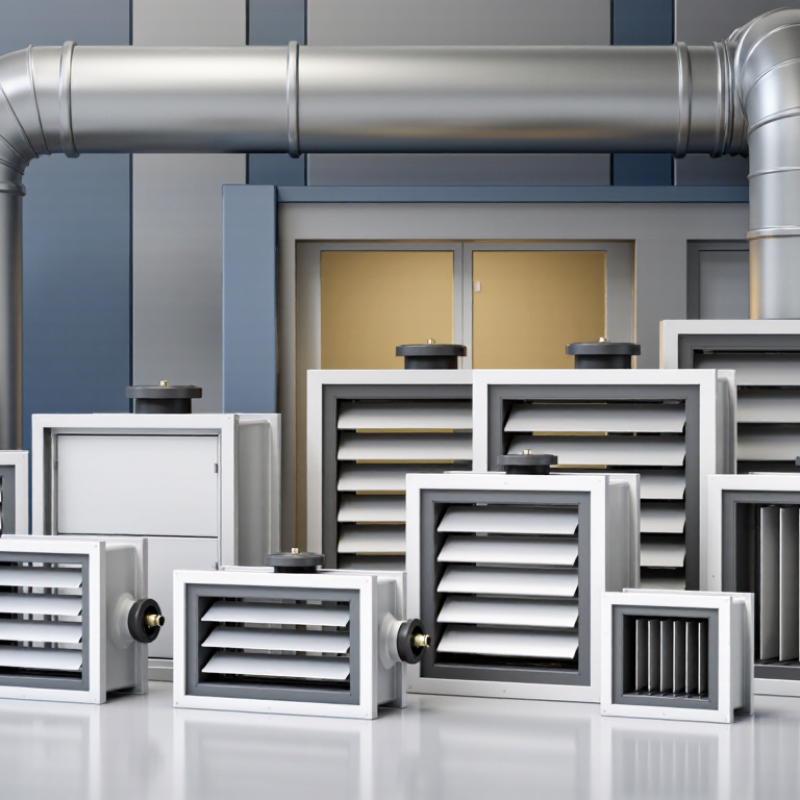
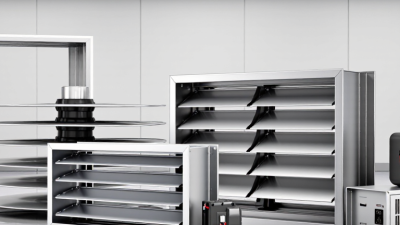
A volume control fire damper combines airflow adjustment with a fire-protection function. It sits inside a ventilation duct, often near a wall or floor penetration. Its adjustable blades help balance airflow between rooms. During normal operation, the blades can be set to limit or redirect air.

That matters. Too much airflow can make one room drafty while another feels stuffy.

If heat activates the damper’s temperature-sensitive release, the blades move toward the closed position. This helps restrict fire and smoke from traveling through the duct opening. Some models use a fusible element; others use an actuator and detection system.

The exact arrangement varies, so check the product’s installation and maintenance instructions. A damper is not a substitute for a complete, properly designed fire-protection system. Real installations can be less tidy than diagrams suggest, and access for inspection is easy to overlook.

Tips: Confirm the damper’s airflow setting after installation, and keep its access panel clear. Periodically check that blades move freely and that the release mechanism is unobstructed. Record inspections; small faults can otherwise go unnoticed.

Where Volume Control Fire Dampers Are Used

Volume control fire dampers are used where HVAC ducts cross designated fire-rated walls or floors, subject to the building design and applicable installation requirements. They combine airflow adjustment with fire separation, helping balance branches while limiting openings through protected barriers. Common locations include service risers, plant rooms, and duct routes serving offices, hotels, hospitals, and schools. Location matters.

NFPA 90A provides installation guidance for air-conditioning and ventilation systems; project teams should also check the adopted mechanical code and the damper’s tested listing. NFPA’s Fire Loss in the United States During 2023 estimated 1,389,000 fires nationwide, a reminder that compartmentation is one layer of a broader fire-safety plan—not a substitute for detection or suppression. A Buried Fire Water Tank supports the water supply side of that plan; it does not serve the ductwork. Not interchangeable.

On site, verify barrier ratings, access for inspection, actuator clearance, and the airflow direction before installation. A schedule may look complete, yet a late duct change can place a damper beyond practical access. That detail deserves a second look.

Top Volume Control Fire Damper Suppliers in 2026: Where Fire Dampers Are Used

Fire dampers are installed where HVAC ducts pass through fire-rated walls or floors. The chart shows the typical fire-damper protection ratings specified by the International Building Code for the fire-barrier ratings shown.

Reference: International Building Code, Section 717.3.2. Project requirements depend on the applicable code, barrier construction, and approved damper listing.

How to Evaluate Fire Damper Suppliers in 2026

When evaluating fire damper suppliers in 2026, look beyond catalogues and price lists. Ask for current test reports that match the damper’s size, materials, installation position, and rated assembly. A result for a similar model may not apply to the unit you plan to install. Check product traceability, documented quality controls, and clear instructions for inspection and maintenance. Small details matter: sleeve dimensions, access-panel location, and actuator wiring can affect site coordination.

Ask how the supplier handles project-specific questions, revised drawings, and replacement parts. Request written confirmation of lead times and the documents delivered with each shipment. A polished brochure can still leave gaps. Compare quotations line by line, including accessories and technical support; the lowest figure may exclude items your contractor expects. Coordinate damper schedules with other building systems, such as a Fire Fighting Water Tank, without treating their requirements as interchangeable. Even a thorough checklist can miss a detail, so have the design team review proposed selections against the project documents before ordering. Look for precise answers, not broad assurances.

Profiles of Leading Volume Control Fire Damper Suppliers

Leading volume control fire damper suppliers distinguish themselves through documented performance, application knowledge, and practical installation support. NFPA’s Fire Loss in the United States During 2023 estimated 1.39 million fires and $23 billion in direct property damage. Those figures do not measure damper effectiveness, but they underline why fire and smoke-control components need careful specification. Ask suppliers for current certification records, tested size limits, pressure-drop data, and installation instructions. Details matter.

A useful supplier profile explains how dampers perform in the actual duct layout, not just in a catalogue. Check blade operation, access for inspection, actuator compatibility, and whether the proposed model suits the required wall or floor assembly. UL 555 covers fire dampers; UL 555S covers smoke dampers. Verify applicable listings and project requirements rather than relying on broad claims. A polished brochure is not proof of field fit.

Strong suppliers also coordinate dampers with fans, controls, and balancing plans. Where a Fire Smoke Axial Flow Fan is specified, confirm that airflow, system pressure, and control sequences are compatible with the damper selection. Ask who resolves site conflicts and provides replacement parts after installation. Ask for evidence. Response quality can reveal more than a sales presentation, though even a careful review cannot prevent every site issue.

Comparing Supplier Products, Certifications, and Support

Comparing fire damper suppliers in 2026 means looking beyond airflow ratings and catalog photos. Check the stated leakage class, pressure limits, temperature rating, and installation orientation. Ask for test reports tied to the exact model, not a similar product family. A certificate matters only when its scope and issuing body suit the project requirements. Details matter.

Support can shape performance after delivery. Ask who reviews drawings, answers installation questions, and provides replacement parts. A useful supplier can explain access clearances and show how actuators are tested. Request written commissioning steps and clear response times. Some projects also pair dampers with a Fire Smoke Exhaust Fan With High Temperature Resistance; confirm both systems’ controls and operating sequences are compatible.

Compare service evidence, not promises alone. Look for dated documents, traceable model numbers, and staff who can discuss real site constraints. My comparison checklist is imperfect: delivery schedules and building conditions can change quickly. Still, a supplier willing to flag uncertainty early may be more dependable than one offering a smooth answer to every question.

How to Select a Supplier for a Building Project

Selecting a volume control fire damper supplier in 2026 starts with project fit, not a polished catalogue. Confirm the damper’s tested configuration matches the wall or floor assembly, duct size, airflow needs, and installation orientation. Request current test reports, product data, installation instructions, and traceable quality records. Requirements differ by location, so ask the design team to verify applicable codes before ordering. Small mismatch, costly delay.

A capable supplier should answer practical questions clearly: lead times for each size, permitted accessories, actuator options, and replacement-part availability. Request support with submittal reviews and commissioning, especially when dampers sit above tight ceilings. Check how the supplier handles damaged shipments and design changes. A low quote can hide missing access panels or unclear documentation. Speak with a project reference, too, while remembering one reference cannot prove every claim. Good judgment takes more than paperwork.

Tips: Compare like-for-like schedules, not headline prices. Keep approved drawings and serial details together. Ask who will respond when site measurements differ. If answers stay vague, pause before approval. The cheapest option may work, but verify the evidence first.

Top Volume Control Fire Damper Suppliers in 2026 - How to Select a Supplier for a Building Project
Evaluation Dimension What to Verify Practical Selection Benchmark Weight Score
Code compliance and certification Ask for current certificates and listing records for the exact damper model, size, installation orientation, and intended use. Confirm acceptance with the project’s authority having jurisdiction. Depending on location and application, relevant references may include UL 555 for fire dampers, UL 555S for smoke dampers, or EN 1366-2 for fire-resisting ventilation ducts. A standard reference alone does not establish that a specific product is approved. 25% ____ / 5
Application suitability Check whether the project requires a fire damper, smoke damper, or combination fire/smoke damper, and whether the installation is static or dynamic. The supplier should match the product listing to the duct system, wall or floor assembly, airflow conditions, orientation, access requirements, and required fire-resistance period. Do not assume a standard volume-control damper can provide a fire-protection function. 20% ____ / 5
Airflow and pressure-drop data Request certified or published performance data for the proposed size, blade position, airflow, and operating conditions. Compare pressure drop and airflow performance at the project’s design conditions. Confirm that the selected device supports the required ventilation and balancing strategy without compromising its listed fire or smoke function. 15% ____ / 5
Leakage and smoke-control performance For smoke-control applications, review the applicable leakage classification, test conditions, and installation limitations. Use the leakage class and acceptance limits required by the project specification and local code. Request test documentation for the exact damper configuration; do not compare leakage figures unless their test conditions are equivalent. 10% ____ / 5
Actuators and control integration Verify actuator voltage, fail-safe action, end switches, control signals, and compatibility with the building management or fire alarm system. Require a wiring diagram and sequence-of-operation confirmation. For motorized smoke or combination dampers, confirm that the actuator arrangement and required position indication match the approved design. 10% ____ / 5
Installation and maintenance documentation Review installation instructions, access-panel requirements, inspection guidance, and maintenance information. Documentation should identify permitted mounting details and clearances and explain how the damper can be inspected and tested after installation. Confirm that site access is practical before finalizing the layout. 8% ____ / 5
Project delivery and submittals Request a project-specific delivery schedule, submittal package, product schedule, and confirmation of manufacturing capacity. Compare the committed delivery date with the project programme and required approval milestones. Evaluate the supplier using written, project-specific commitments rather than an assumed standard lead time. 7% ____ / 5
Technical support and warranty Clarify design-assistance availability, response process, warranty terms, and support for commissioning or inspection questions. Prefer documented support responsibilities and warranty conditions that align with the project contract, local requirements, and equipment schedule. 5% ____ / 5
Total weighted evaluation 100% ____ / 5

Scoring guide: Rate each criterion from 1 (does not meet requirements) to 5 (fully meets documented project requirements). Verify all applicable listings, codes, and installation conditions with the project design team and local authority before procurement.

FAQS

What documents should a supplier provide?

Request current test records, size limits, pressure-drop data, installation instructions, and traceable quality records. Keep them together.

How can I check whether a damper fits my project?

Compare its tested configuration with the wall or floor assembly, duct size, airflow needs, and installation orientation. Small mismatches matter.

What should I ask about installation access?

Check whether inspectors can reach the damper above ceilings. A tight ceiling can turn routine maintenance into a headache.

How do I compare supplier quotes fairly?

Compare matching schedules, accessories, access panels, and documentation—not just headline prices. The cheapest option may still work, but verify it.

What details should I confirm about actuators?

Ask which actuator options are permitted and whether they suit the project’s controls. Get the answer in writing.

Should the supplier coordinate with fans and controls?

Yes. Confirm airflow, system pressure, and control sequences work with the selected damper. Ask who resolves site conflicts.

What support should I expect after ordering?

Ask about lead times, damaged shipments, design changes, replacement parts, and commissioning support. Vague replies deserve a second look.

How useful are project references?

Speak with a recent project contact, but treat one reference as limited evidence. One story cannot prove everything.

What if site measurements differ from the drawings?

Ask who will respond and how changes are handled. Keep approved drawings and serial details nearby. Plans can miss things.

Conclusion

This guide explains what a Volume Control Fire Damper is and how it combines airflow regulation with fire and smoke control in a building’s ventilation system. It outlines common applications across commercial, residential, and industrial projects, and describes the key factors to consider when assessing suppliers in 2026, including product performance, relevant certifications, technical documentation, customization options, and after-sales support.

The article also compares supplier offerings and service capabilities without focusing on individual brands. It provides a practical framework for selecting a supplier based on a project’s building type, system requirements, installation conditions, budget, and maintenance needs. By reviewing these considerations together, project teams can make informed choices that support dependable operation, straightforward installation, and long-term building performance.
Arabella

Arabella

Arabella is a dedicated marketing professional with a deep understanding of the intricacies of the HVAC industry. With a strong focus on promoting the company’s diverse range of products—including various models of fans, fire smoke exhaust fans, axial and centrifugal fans, as well as advanced......
Previous 2026 Top Purification Air Handling Unit Manufacturers