Leave Your Message
-
Phone
-
Whatsapp
Engineered specifically for peak spectator capacity, low acoustic disturbance, and extreme dynamic load variations in sports arena HVAC central systems.
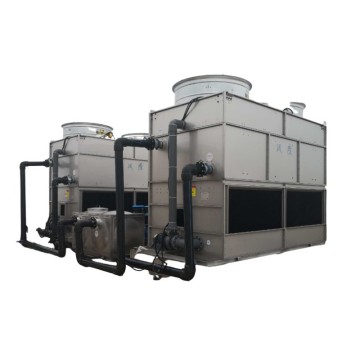
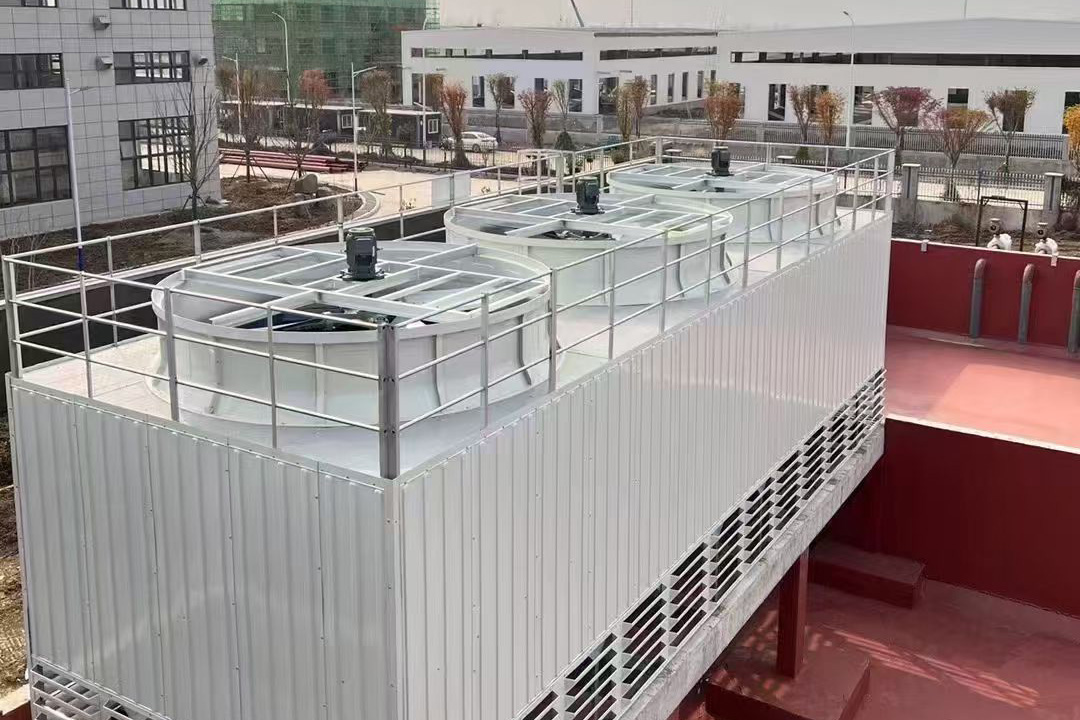
Adopts fully enclosed coil circuits to prevent fouling and scaling, delivering stable, continuous high-efficiency heat rejection for arena chillers.
EXPLORE PRODUCT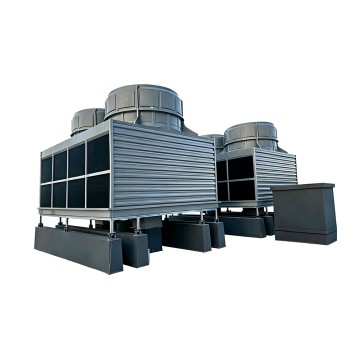
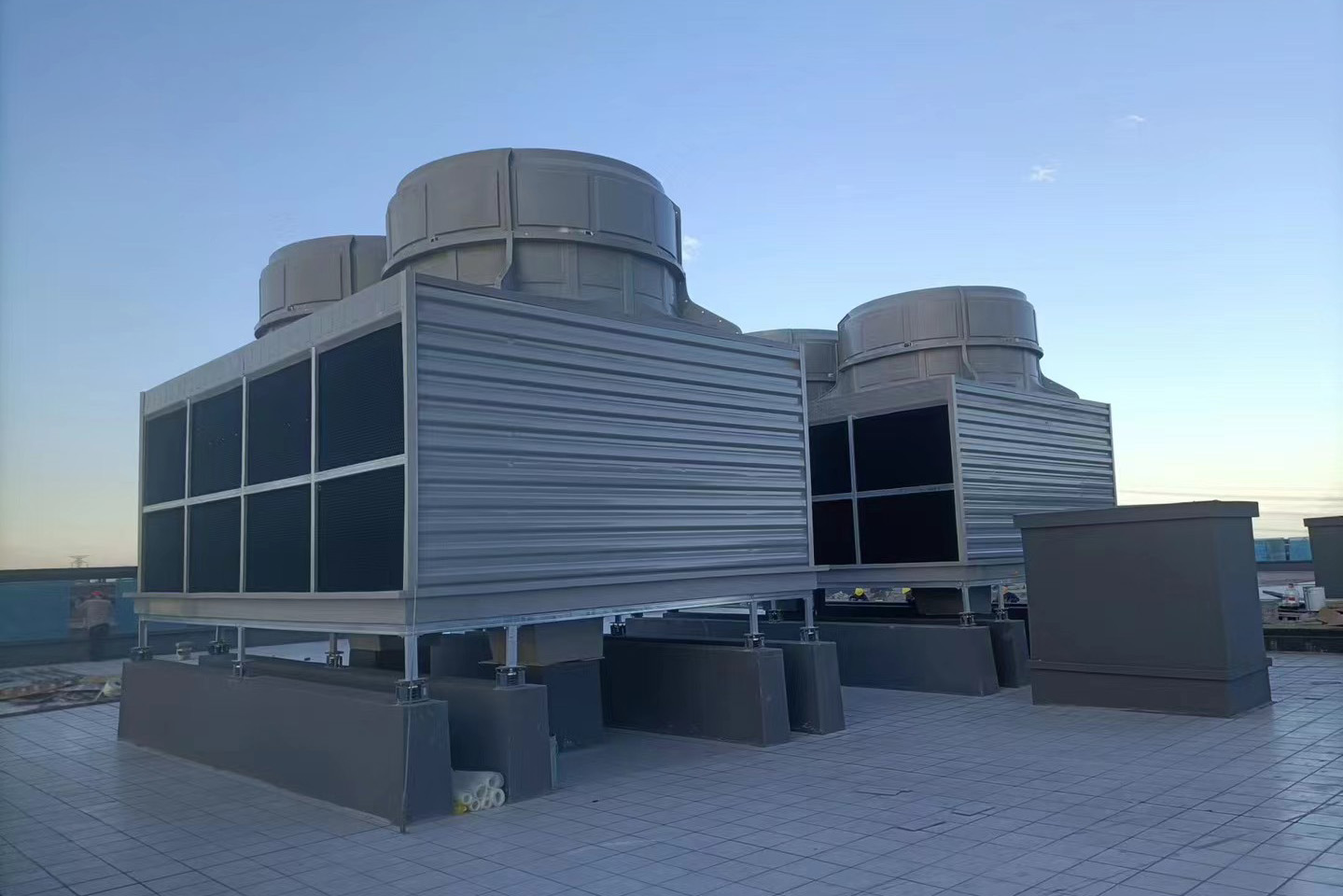
High-density counterflow thermal dissipation available in FRP or galvanized steel. Compact square configuration maximizes space utilization in central plants.
EXPLORE PRODUCT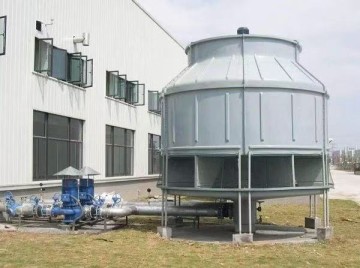
Heavy-duty composite fiberglass construction with low aerofoil blade acoustic signature, tailored for stadium perimeter mechanical installations.
EXPLORE PRODUCT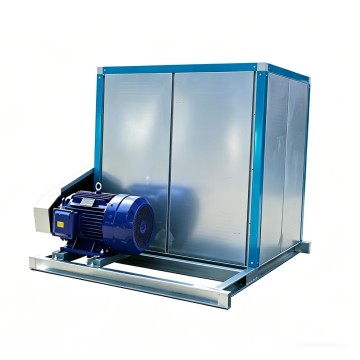
Sound-insulated enclosure paired with heavy-duty air circulation, ensuring acoustic quietness adjacent to stadium suites, press boxes, and broadcast zones.
EXPLORE PRODUCTModern professional sports stadiums are iconic civic monuments that operate as complex micro-cities. Accommodating between 20,000 and 100,000 spectators alongside massive floodlighting arrays, expansive digital media facades, television production broadcast hubs, VIP luxury boxes, and commercial food courts creates an unprecedented cooling demand. Unlike standard commercial office towers or industrial manufacturing plants, professional sports complexes experience extreme thermodynamic swings. Over the span of just 90 minutes, a quiescent facility with minimal baseline cooling can ramp up to maximum thermal load as tens of thousands of human heat radiators enter the concourse simultaneously under blazing midsummer sun.
In this high-stakes engineering environment, the central chilled water system is the lifeline of comfort, safety, and operational reliability. Evaporative cooling towers stand as the most thermodynamically efficient thermal rejection technology available for massive chiller capacities. By leveraging the latent heat of water evaporation—which absorbs approximately 2,260 kJ per kilogram of water evaporated—evaporative towers reject heat directly to the wet-bulb ambient temperature rather than the dry-bulb temperature. This fundamental thermodynamic advantage permits chilled water chillers to operate at substantially lower condensing temperatures, slashing operational compressor power consumption by 25% to 42% compared to dry air-cooled alternatives.
The thermodynamic ceiling for air-cooled chillers is the dry-bulb temperature, which can easily reach 38°C to 45°C in midsummer tournament conditions. Evaporative cooling towers reject heat against the atmospheric wet-bulb temperature, typically 8°C to 14°C lower. For stadium chillers delivering 5,000 to 18,000 Tons of Refrigeration (TR), this delta translates to megawatts of electrical demand shaving during live global broadcast events.
Global investments in modern sports venues—driven by continental tournaments, Olympic bids, and commercial sports franchise expansion—have catalyzed a major shift toward high-performance stadium HVAC infrastructure. The contemporary sports arena is no longer an open-air concrete bowl; it features retractable roofing, multi-tiered enclosed glass curtain concourses, and strictly regulated pitch microclimates to preserve hybrid turf grass under closed-roof conditions. Consequently, stadium chiller plant capacities have tripled over the past two decades.
Concurrently, municipal authorities and athletic federations enforce rigorous environmental metrics. Green sports venue certifications such as LEED Platinum, BREEAM Outstanding, and ISO 50001 demand that cooling systems operate with minimum carbon footprints and aggressive Water Usage Effectiveness (WUE). Commercial facility managers face the dual challenge of mitigating massive energy spikes during match days while maintaining system integrity during off-season downtime. High-performance closed-circuit cooling towers and modular counterflow square cooling towers manufactured with non-corrosive FRP (Fiberglass Reinforced Polyester) or heavy hot-dip galvanized steel have emerged as the industry's preferred standard to satisfy these demands.
Modular cell architectures enable immediate stage-up capacity when spectator turnstiles open, matching dynamic match-day occupancy curves without thermal inertia delays.
Ultra-low sound, wide-chord forward-curved fan impellers and water-entry splash attenuation attenuate sound levels below 55 dBA at 10 meters, preventing broadcast disruption.
Multi-pass cellular drift eliminators achieve drift rates under 0.0005% of circulating water volume, neutralizing public health concerns regarding airborne aerosols.
Integrating an evaporative cooling tower infrastructure into a professional sports arena requires navigating unique micro-architectural zones. Each zone imposes distinct thermal, acoustic, and hydraulic demands that dictate cooling tower selection and positioning:
When a retractable roof closes during inclement weather or extreme heat, the volume of enclosed air can exceed 1.5 million cubic meters. Stratification causes severe hot air layers to settle right above the spectator seating tiers. The central cooling towers must support water chillers that feed giant low-velocity displacement air handlers situated around the bowl perimeter. Any thermal throttling or approach-temperature drift in the cooling towers instantly degrades chilled water supply temperature, compromising spectator comfort and indoor air quality.
Modern sports stadiums derive significant revenue from VIP suites, premium restaurants, and international television broadcast operations. Media production compounds house hundreds of high-density server racks, mobile transmission trucks, and digital video processing equipment that generate uninterrupted sensible heat loads 24/7, even when the main bowl is empty. Closed-circuit cooling towers with variable frequency drive (VFD) fan arrays deliver dedicated, continuous year-round heat rejection without risk of process fluid contamination.
Modern natural and hybrid turf sports pitches require strict root-zone soil temperature control (typically between 16°C and 22°C) to prevent grass dormancy or fungal rot in enclosed venues. Water loops embedded beneath the pitch circulate hydronic heating and cooling. Evaporative cooling towers provide an efficient thermal sink to extract sub-surface ground heat during intense summer heatwaves, ensuring pristine playing surfaces meeting FIFA, UEFA, and NFL regulatory standards.
Facility planners and mechanical engineering consultants must weigh capital expenditure, spatial requirements, operational power, and water consumption when engineering stadium central plants. The table below illustrates the structural performance trade-offs:
| System Architecture | Compressor kW / Ton | Physical Footprint | Acoustic Mitigation Complexity | Water Consumption | Suitability for Stadiums |
|---|---|---|---|---|---|
| Direct Air-Cooled Condensers | 1.15 – 1.45 kW/Ton | Very Large (300% larger) | Severe high-frequency fan noise | Zero operational water | Poor (Excessive power draw during peak matches) |
| Open-Circuit Evaporative Tower | 0.55 – 0.68 kW/Ton | Compact (Standard) | Moderate splash noise; requires baffles | Evaporation + Bleed-off | High (Exceptional thermal efficiency) |
| Closed-Circuit Evaporative Tower | 0.58 – 0.72 kW/Ton | Compact to Moderate | Low with multi-speed / ECM fans | Evaporation + Bleed-off | Optimal (No process water fouling, high uptime) |
| Hybrid Adiabatic Coolers | 0.80 – 0.98 kW/Ton | Large | Moderate | Intermittent wetted operation | Medium (High footprint limits urban stadium roofs) |
Because professional stadiums are frequently situated in dense urban environments or surrounded by retail plazas, fan parks, and mixed-use sports villages, acoustic emission from cooling equipment is governed by strict municipal sound codes. Standard cooling towers generate two primary acoustic sources: low-frequency blade-pass mechanical noise from the top discharge fans, and high-frequency broad-band water noise from droplets plunging into the cold water basin.
In our stadium-specific cooling tower designs, aerodynamic optimization resolves both phenomena. Direct-drive permanent magnet motors or belt-reduced variable pitch aerofoil fans operate at reduced tip speeds (under 35 m/s) without sacrificing static pressure across the fill pack. Additionally, bottom cold-water basins are outfitted with submerged acoustic attenuation membranes or floating absorption lattices that dissipate droplet kinetic energy, reducing water-fall noise by up to 14 dBA. Structural spring isolators and elastomeric inertia bases eliminate harmonic vibration transmission into stadium structural steel trusses.
The digital evolution of stadium infrastructure centers on predictive building automation. Emerging evaporative cooling towers operate as intelligent cyber-physical nodes integrated directly into the venue’s Master Building Management System (BMS) through BACnet/IP and Modbus industrial IoT protocols.
Using machine learning models that analyze live turnstile ticketing data, forecasted ambient weather fronts, pitch solar irradiance sensors, and real-time electricity tariff pricing, the stadium AI initiates automated thermal pre-cooling. Several hours before spectators arrive, the evaporative cooling towers and chillers sub-cool the stadium concrete thermal mass to 20°C using off-peak electricity. When peak match attendance arrives, the thermal storage of the stadium structure dampens the instantaneous cooling spike, preventing expensive utility demand penalties and ensuring uniform spectator thermal comfort.
Shandong Fengdun Environmental Technology Co., Ltd. is located in Luquantun Industrial Development Zone, Dezhou City. It is adjacent to the Beijing-Kowloon artery to the east, the provincial capital Jinan to the south, and the Beijing-Hangzhou Canal to the north, with convenient transportation and fast communication. The company has a strong professional R&D team, and "Feng Shield" has become a respected brand in the HVAC and ventilation equipment manufacturing sector.
We independently manufacture an expansive portfolio of specialized equipment including industrial counterflow cooling towers, closed-circuit cooling towers, fire smoke exhaust fans, ventilation dampers, and engineered liquid storage solutions. By controlling the complete supply chain, we deliver uncompromised quality, global certifications, and factory-direct cost advantages.
LEARN MORE ABOUT US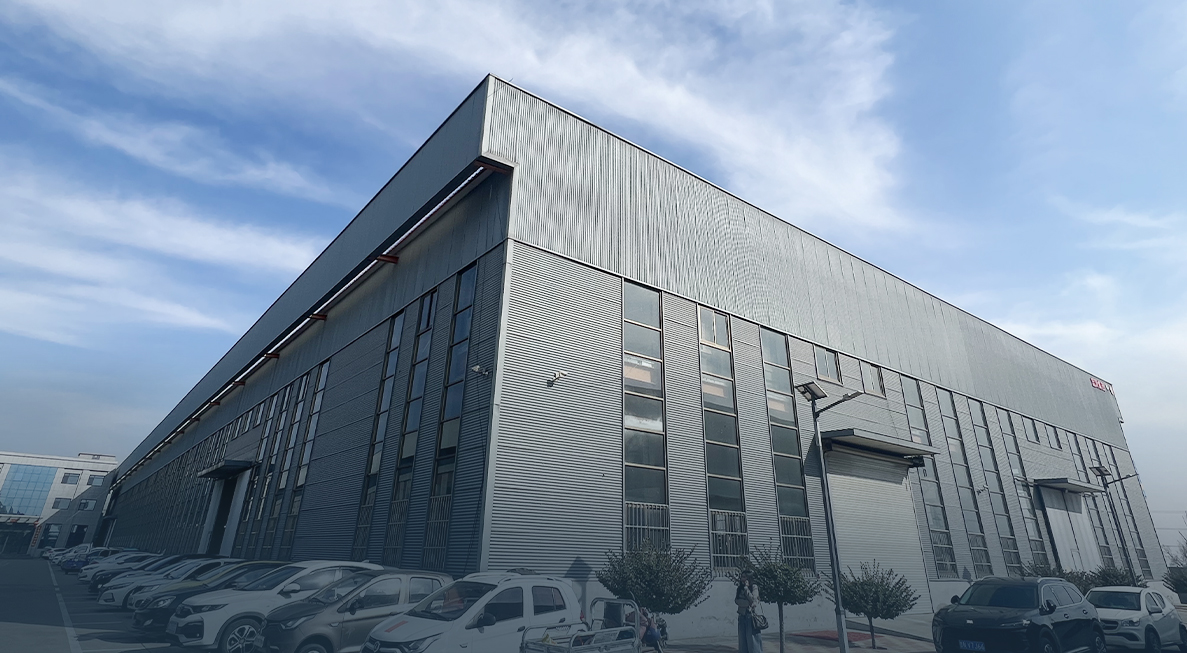
Explore our successful industrial installations, central air conditioning deliveries, and municipal EPC implementations worldwide.
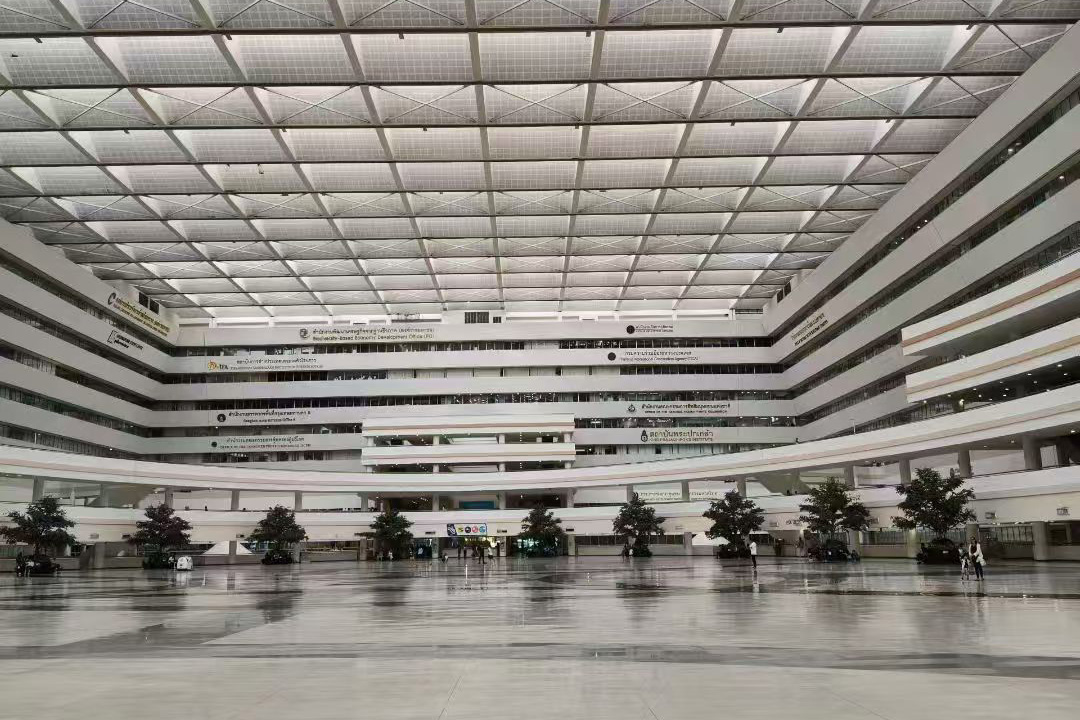
Fengdun Environmental Technology is an original manufacturer of HVAC and ventilation equipment. We independently produce fans, air dampers, water tanks, and cooling towers with no middleman markup.

Certified ISO processes ensure rugged thermal efficiency, fire protection rating compliance, and high corrosion endurance.
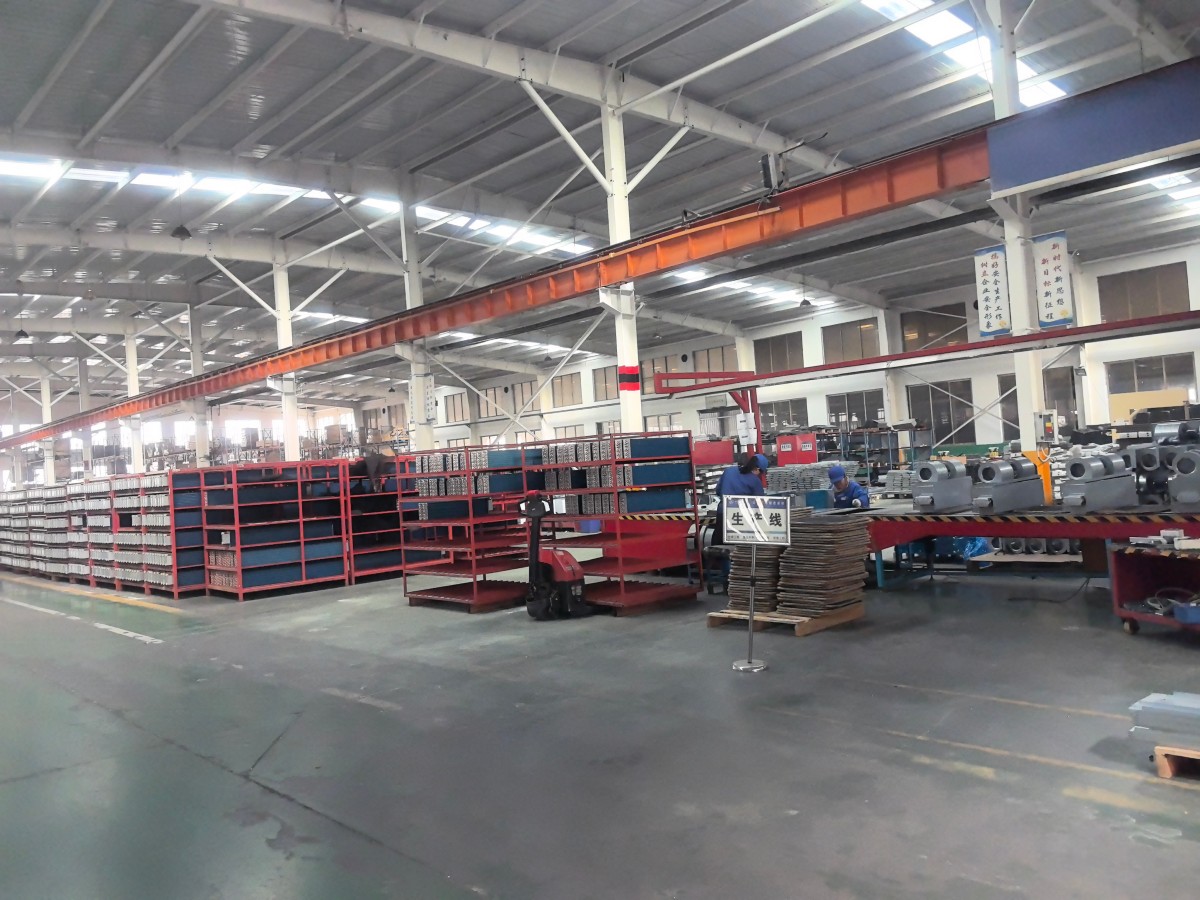

Tailored engineering parameters, modular dimensions, and fast dispatch directly to major international port destinations.
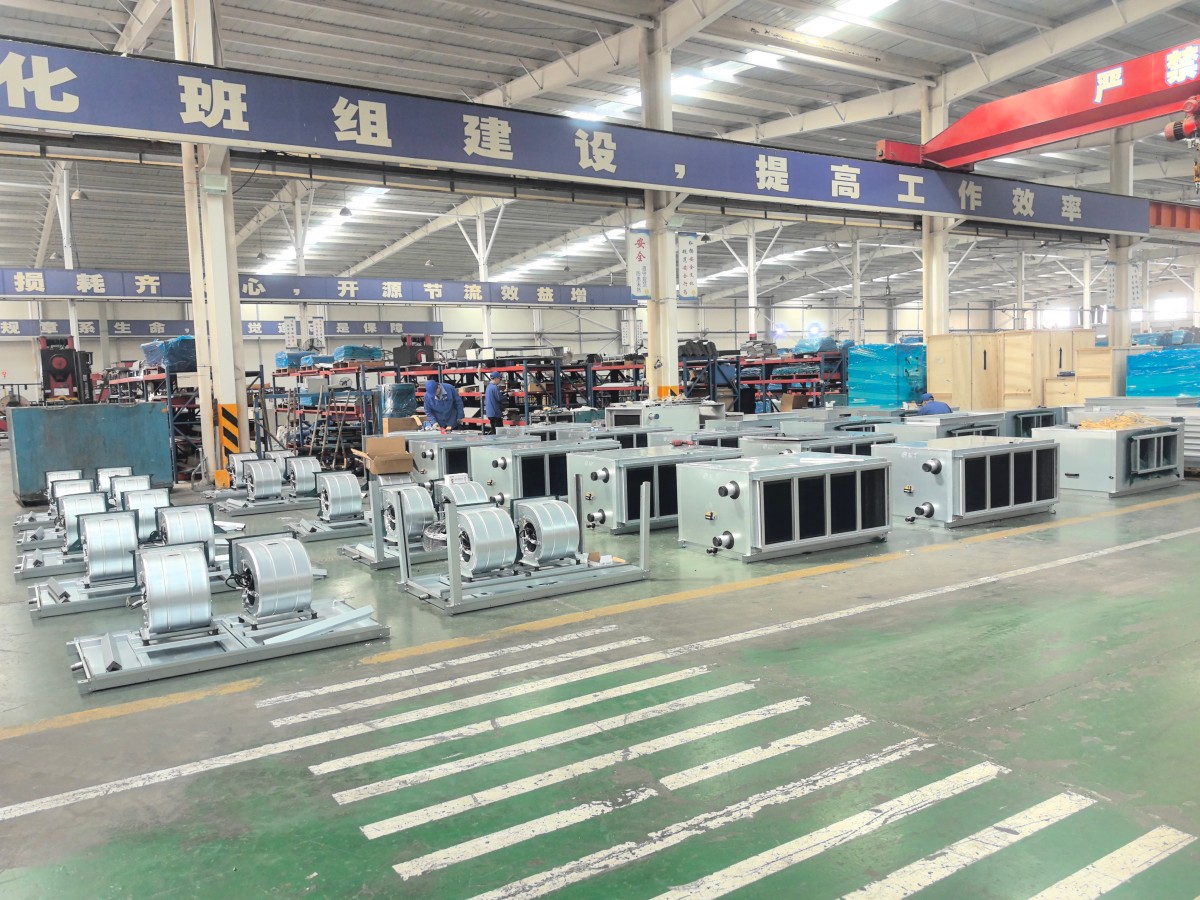
Comprehensive technical documentation, installation guidance, and lifetime parts availability across 5 continents.
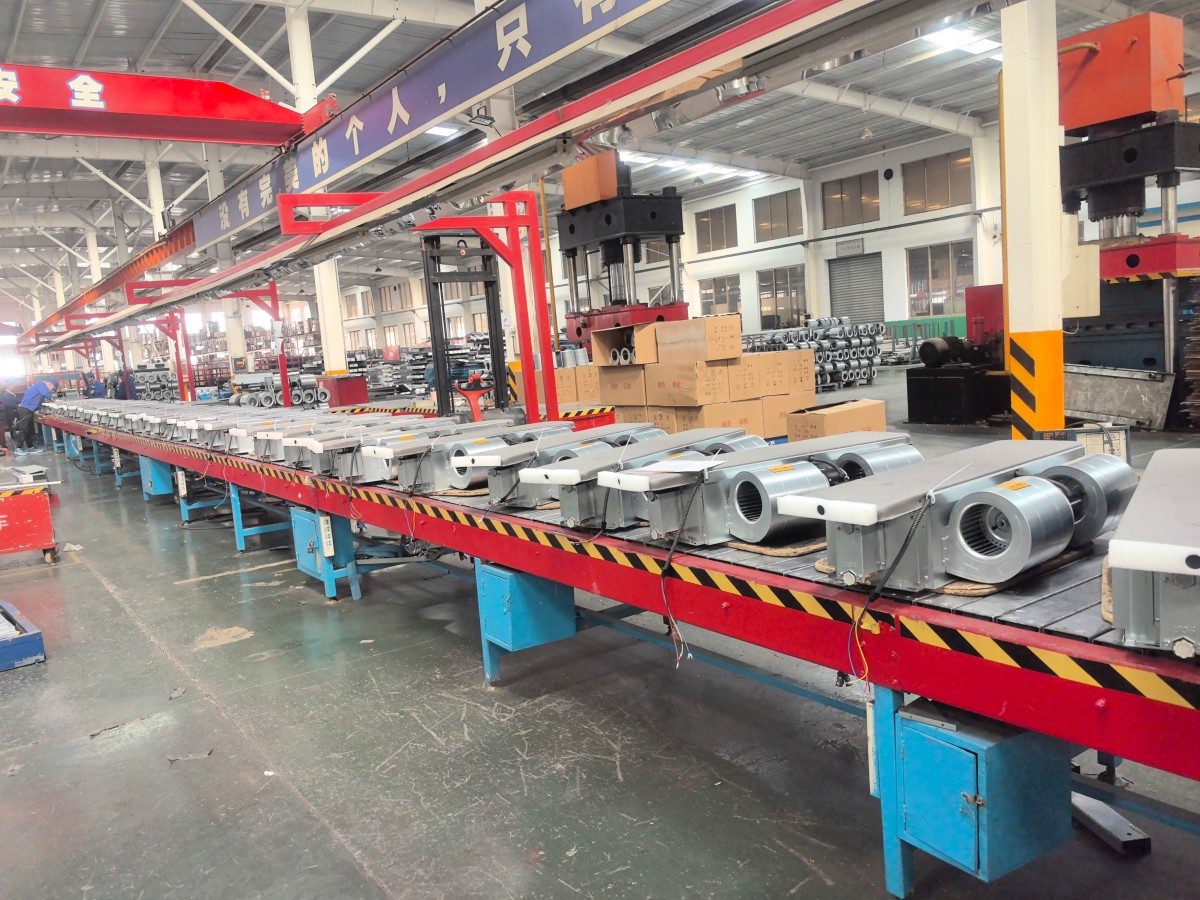
Advancing intelligent HVAC technologies and green industrial standards for modern sustainable building infrastructure.
Watch our automated manufacturing workshop, precision coil testing, fan aerodynamic profiling, and factory quality inspection procedures.
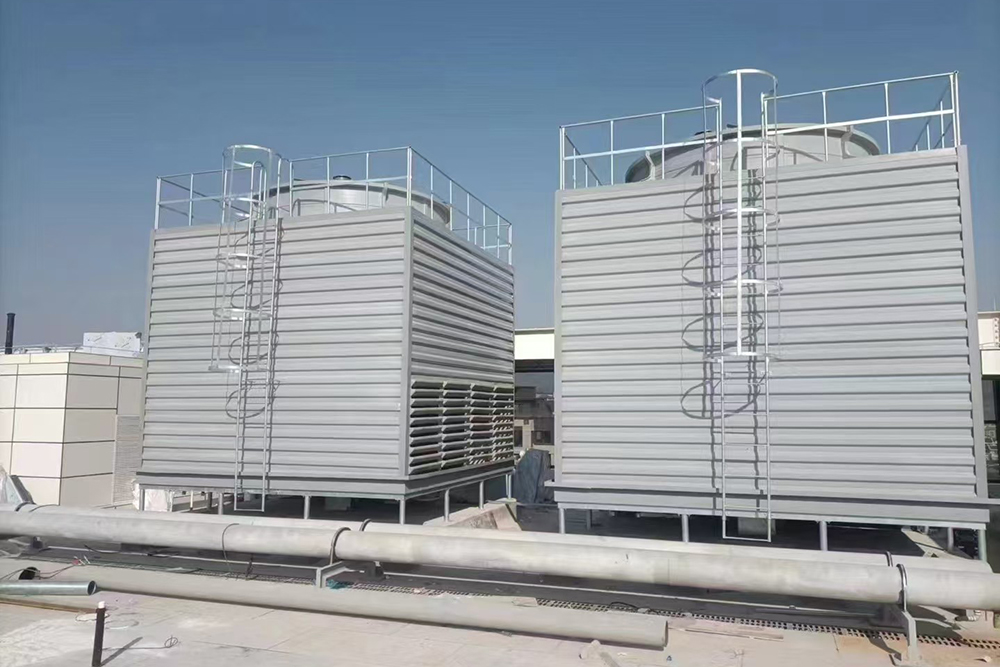
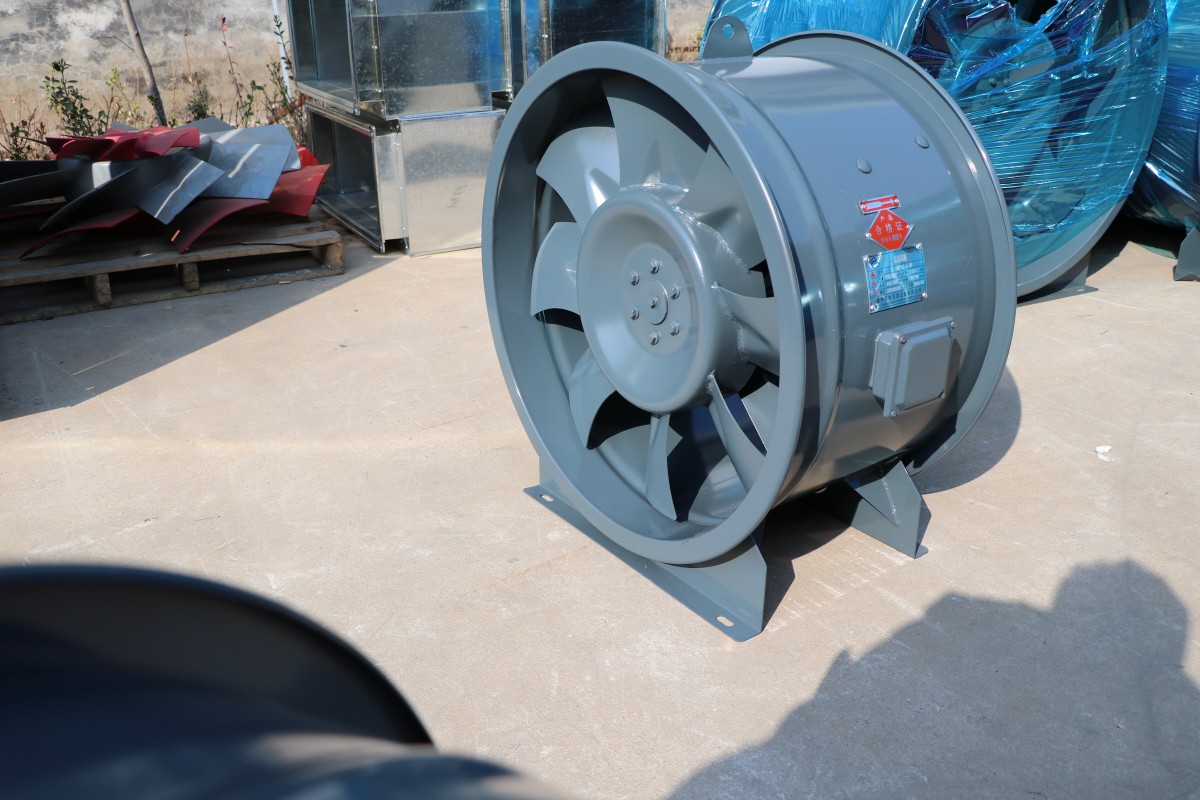
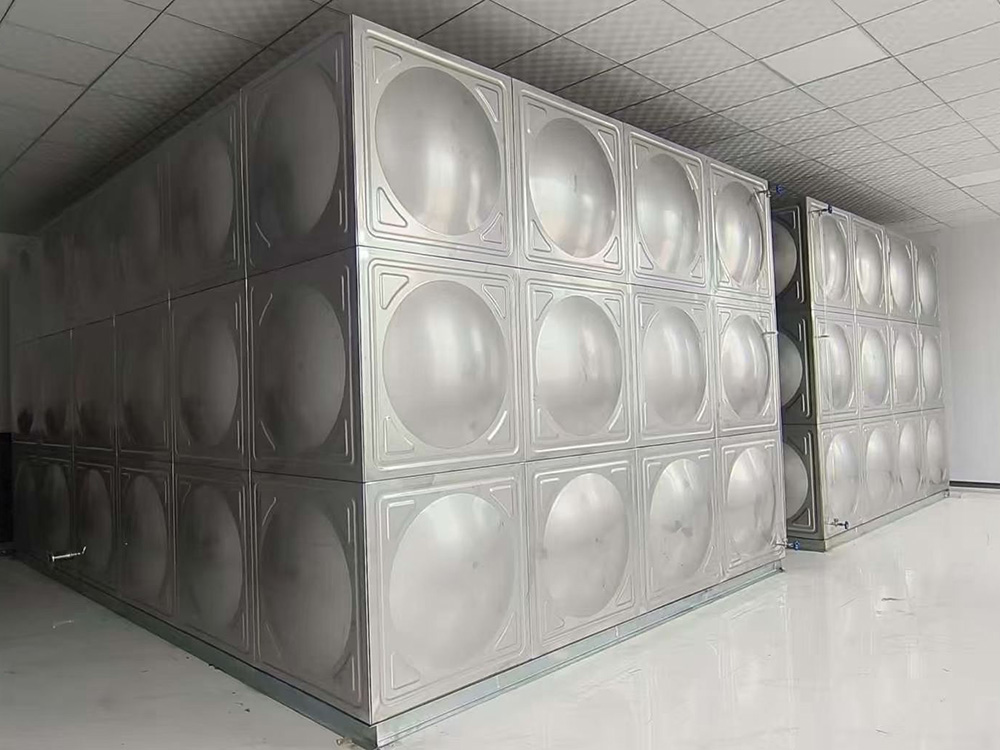
Complete factory-manufactured equipment portfolio supporting commercial buildings, industrial complexes, and mega sports facilities.
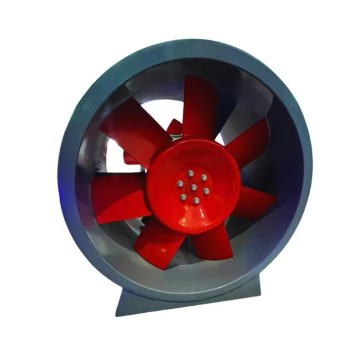
Certified for extreme emergency evacuation ventilation, featuring robust construction, large airflow volume, and high fire endurance.
MORE PRODUCTS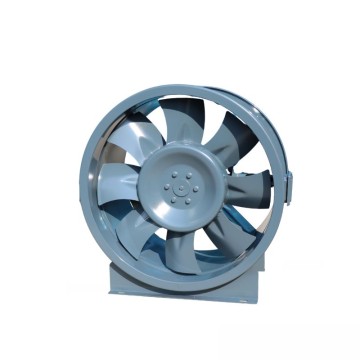
Combines axial and centrifugal aerodynamic benefits to provide high static pressure with whisper-quiet sports arena ventilation.
MORE PRODUCTS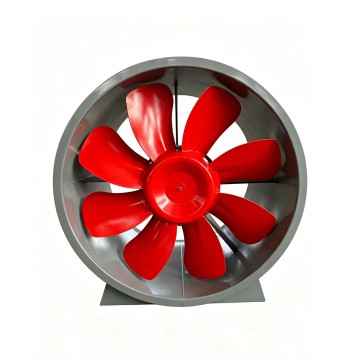
Engineered for rapid smoke extraction in concourses and sports complexes, compliant with international life-safety standards.
MORE PRODUCTS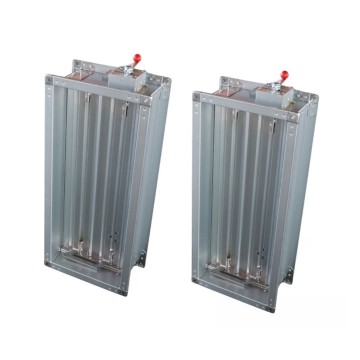
Constructed from heavy-duty galvanized steel with reliable 70°C / 280°C rapid thermal closure to halt flame spread in ductwork.
MORE PRODUCTS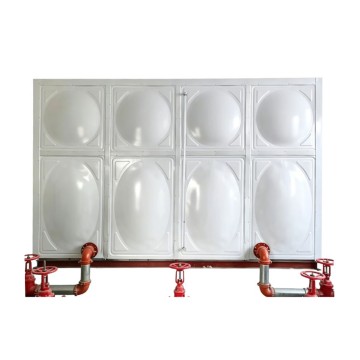
High-temperature sintered enamel layer provides supreme corrosion protection, hygienic water storage, and long operational life.
MORE PRODUCTS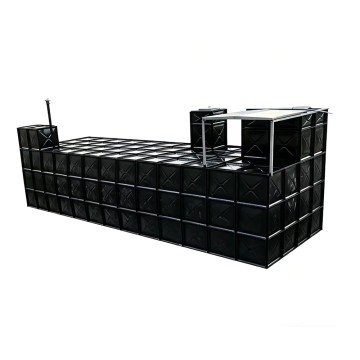
Specially engineered for subterranean installation beneath stadium grounds, conserving surface area while safeguarding fire reserves.
MORE PRODUCTS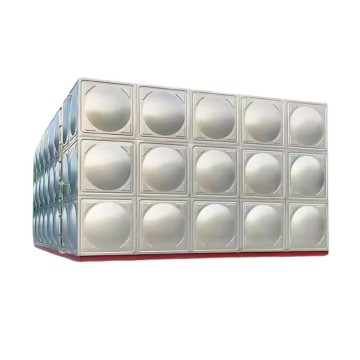
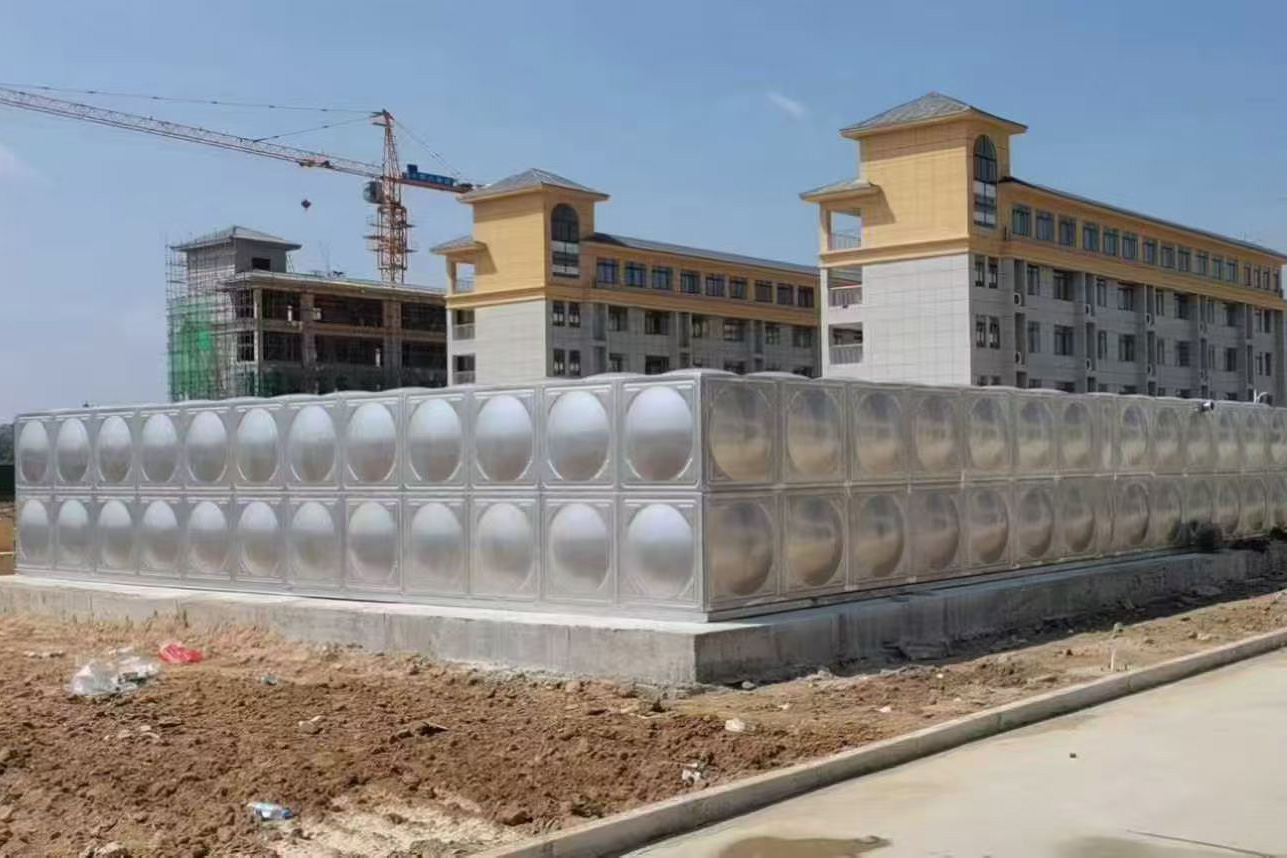
Built from food-grade SUS304/316 alloy, delivering superior structural hygiene, high pressure resistance, and modular versatility.
MORE PRODUCTS
Isolates circulating loop fluids from ambient particulates, ensuring zero fouling in critical arena chiller heat exchangers.
MORE PRODUCTS