Leave Your Message
-
Phone
-
Whatsapp
Specialized low-noise air delivery, acoustic cabinet isolation, and high-temperature life safety air handlers built for motion picture sets and audio-sensitive broadcast spaces.
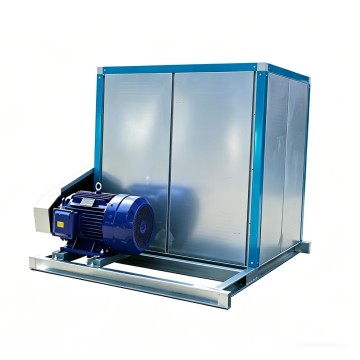
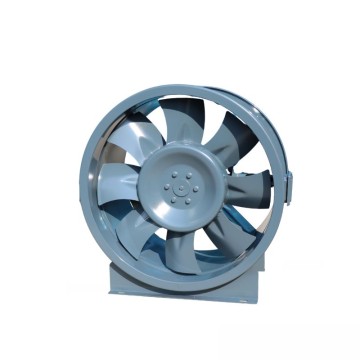
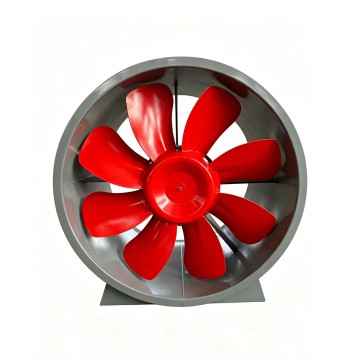
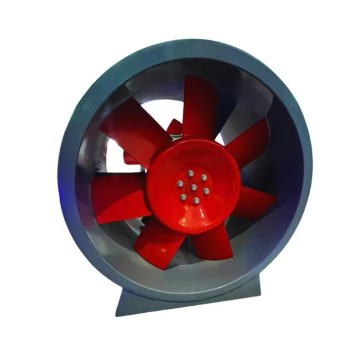
Modern film production facilities, commercial soundstages, and virtual production LED volumes represent some of the most challenging acoustic and thermal environments in commercial MEP (Mechanical, Electrical, and Plumbing) engineering. Film studios demand continuous, high-volume air turnover to regulate massive sensible heat loads generated by high-density lighting grids, server racks, high-power camera rigs, and dense production crews. Simultaneously, sensitive shotgun and binaural condenser microphones capture dialogue with near-zero acoustic tolerance. A conventional HVAC fan creates disruptive low-frequency rumble, airborne turbulence, and structure-borne vibration that instantly destroys multi-million dollar dialogue takes, forcing costly automated dialogue replacement (ADR).
To reconcile the conflict between substantial airflow volume (CFM) and imperceptible sound pressure levels, modern soundstage designers have pivoted toward acoustically insulated HVAC inline fans, double-wall soundproof cabinet blowers, and high-efficiency mixed-flow fan configurations. These purpose-engineered air handling solutions combine dynamically balanced impellers, EC (Electronically Commutated) brushless variable-speed motors, aerodynamically optimized stator vanes, and built-in acoustic silencers to maintain stringent Noise Criterion (NC) ratings between NC-15 and NC-25 during live takes.
Sound energy produced by an HVAC inline fan propagates into a soundstage through three distinct mechanical pathways: airborne fan casing radiation, duct-borne aerodynamic turbulence (both inlet and discharge), and structure-borne vibrational excitation. Engineering silent ventilation for soundstages requires neutralizing each vector simultaneously:
Our Soundproof Cabinet Ventilation Fans incorporate heavy-gauge double-skin galvanized steel enclosures insulated with high-density rockwool and micro-perforated acoustic baffling. This structure dampens high- and mid-frequency motor whines, confining breakout noise to less than 32 dB(A) at 1 meter.
Direct mechanical coupling transfers motor harmonics through roof trusses and catwalks down into boom microphones. Our inline systems integrate internal floating spring isolators, neoprene dampening pads, and flexible airtight duct connectors to halt structure-borne vibration at the source.
Air vortex turbulence within duct elbows creates low-frequency booming. Our mixed-flow inline fans feature CFD-designed aerofoil blade geometry and guide vanes that convert radial energy into laminar axial velocity without turbulent separation, drastically reducing regenerator sound.
The global cinema landscape is rapidly adopting Virtual Production (VP) studios—massive enclosures wrapped in millions of fine-pitch LED display modules powered by high-performance GPU real-time rendering clusters (Unreal Engine). A typical 270-degree LED stage can generate between 100 kW and 350 kW of concentrated sensible heat inside a completely sealed acoustic envelope. Standard ventilation cycles can no longer cycle off during filming; cooling must remain 100% active while cameras roll.
This dynamic creates a surge in demand for specialized HVAC inline fans for film studios equipped with high-torque mixed-flow impellers and precision EC controls. These systems link directly into automated Studio DMX / BACnet automation matrices, instantly down-throttling to ultra-quiet laminar cooling mode during active scene takes, and ramping up to high-capacity purge mode during set resets, script readings, and turnover breaks.
Different production environments within a media facility demand customized aerodynamic pressures, static resistance management, and noise profiles. The following matrix illustrates how our specialized fan series map to film studio facilities:
| Soundstage Zone / Facility Area | Target Noise Criterion (NC) | Primary HVAC Challenge | Recommended Inline Solution | Acoustic Mitigation Strategy |
|---|---|---|---|---|
| Primary Live Dialogue Soundstage (Shooting Bay) | NC-15 to NC-20 | Zero-rumble tolerance; large thermal load from studio lighting grids. | Industrial Soundproof Cabinet Ventilation Fan | Remote attic suspension, multi-stage silencers, duct velocity < 400 FPM. |
| Virtual Production (LED Volume / In-Camera VFX) | NC-20 to NC-25 | Massive localized sensible heat from LED panels and video processors. | Industrial Mixed Flow Fan with Low Noise (EC-driven) | Displacement air delivery under stage floor, high-volume return air plenum. |
| Foley Rooms & ADR Recording Suites | NC-12 to NC-18 | Extreme sensitivity to micro-decibel mechanical vibrations and motor hum. | Dual-Box Soundproof Cabinet Inline Air Mover | Ultra-low static pressure, oversized acoustic lined ducting, double spring isolation. |
| Studio Catwalk & Lighting Grid Exhaust | NC-25 | Stratified heat accumulation at high studio ceilings; continuous duty. | High Flow Axial / Mixed Flow Inline Boosters | Thermal auto-throttling via temperature probes, silencer baffles at roof discharge. |
| Emergency Smoke Clearance & Life Safety | N/A (Emergency Life Safety) | High temperature smoke evacuation (280°C) to maintain egress paths. | Fire Smoke Exhaust Fan With High Temp Resistance | Interlocked fire dampers, heavy-gauge welded steel casing, dual-speed motors. |
1. Oversize Duct Cross-Sections: Airflow noise increases exponentially with velocity ($Sound \propto V^5$). To keep duct turbulence inaudible, soundstage supply and return ducts should be sized for face velocities not exceeding 350 to 450 feet per minute (FPM), compared to typical commercial velocities of 1,000 to 1,500 FPM.
2. Decouple Equipment with Acoustic Plenums: Never mount inline fans directly to soundstage timber or drywall. Suspend fans using heavy-duty rubber-in-shear or double-deflection spring hangers from secondary structural steel, ensuring total separation from studio acoustic drywall envelopes.
3. S-Curve Duct Routing & Internal Lining: Install sound attenuators (baffle silencers) on both intake and exhaust ducts of the inline fan. Incorporating at least two 90-degree elbows lined with antimicrobial fiberglass duct liner between the fan discharge and studio diffusers eliminates line-of-sight high-frequency sound transmission.
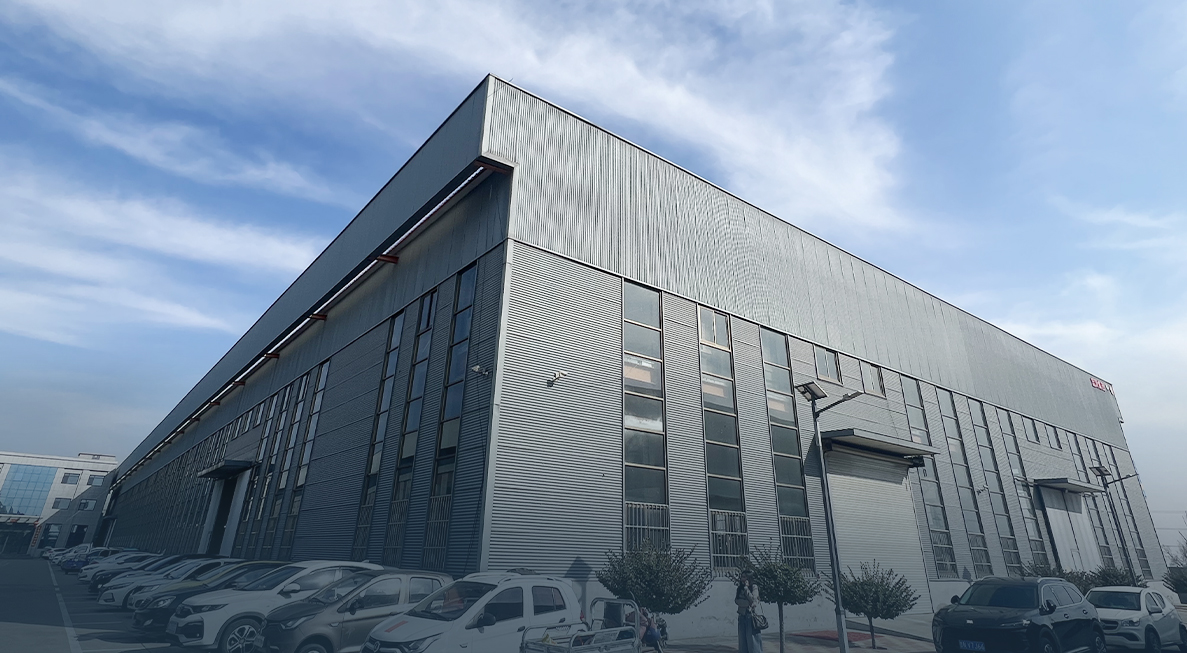
From complex industrial complexes and high-demand commercial infrastructure to precision climate and cooling systems, our global footprint delivers reliable performance.
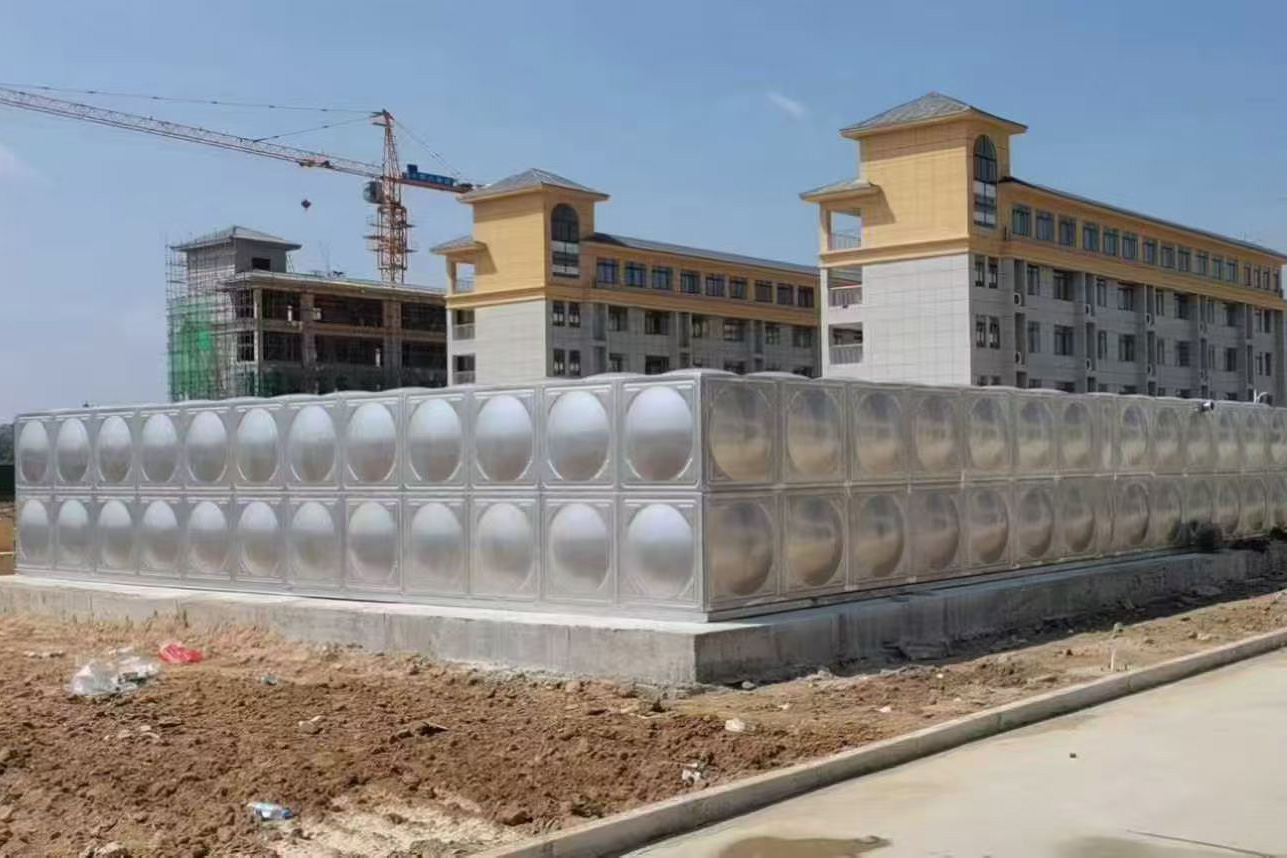
Comprehensive fluid control and robust industrial air exchange systems engineered for high-humidity municipal infrastructure.
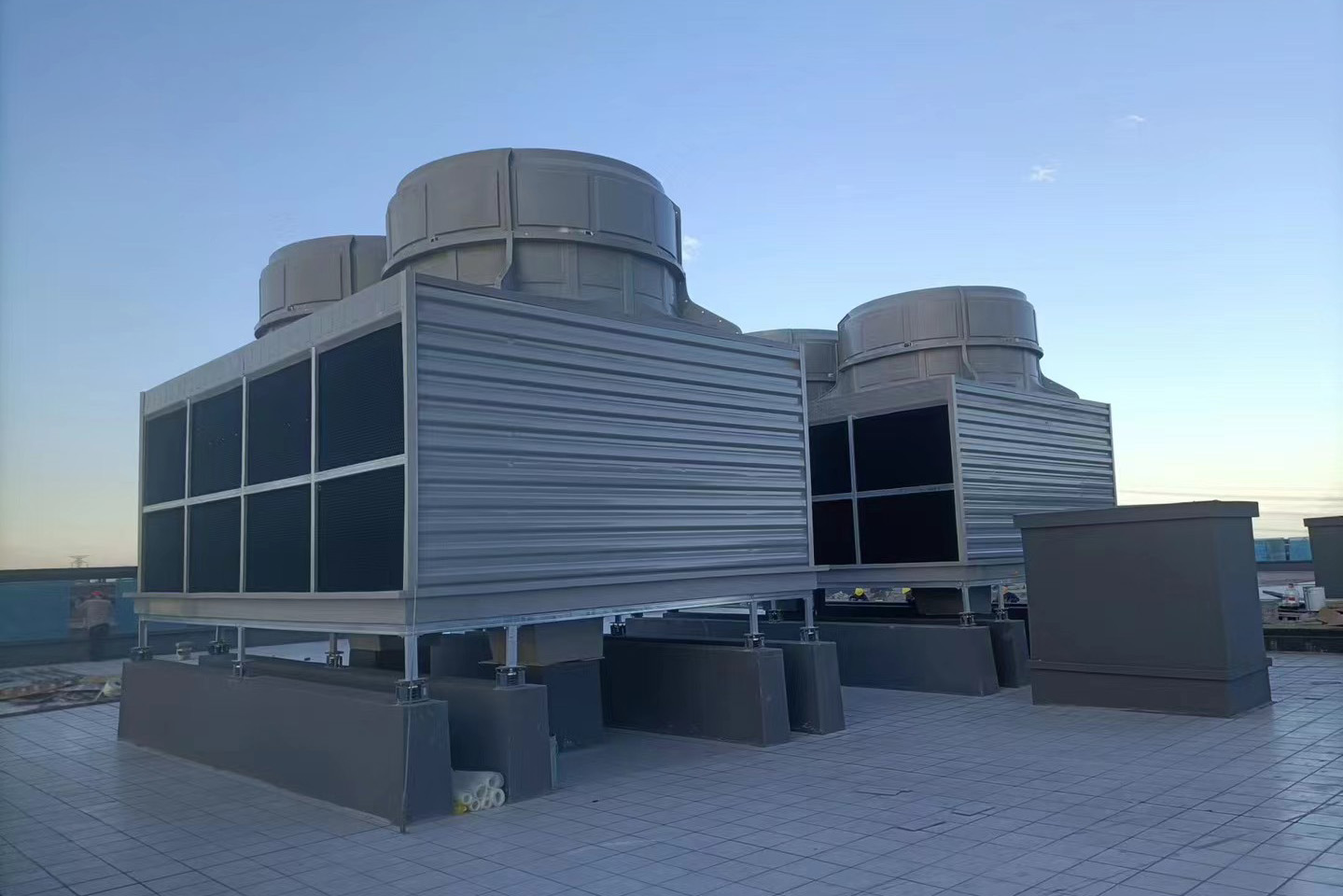
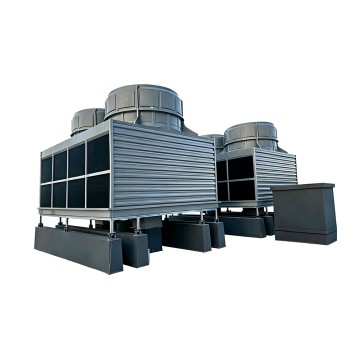
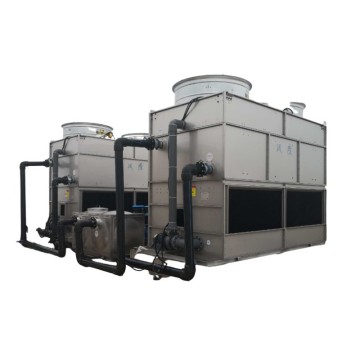
High-capacity thermodynamic heat dissipation towers designed for continuous thermal management in manufacturing facilities.
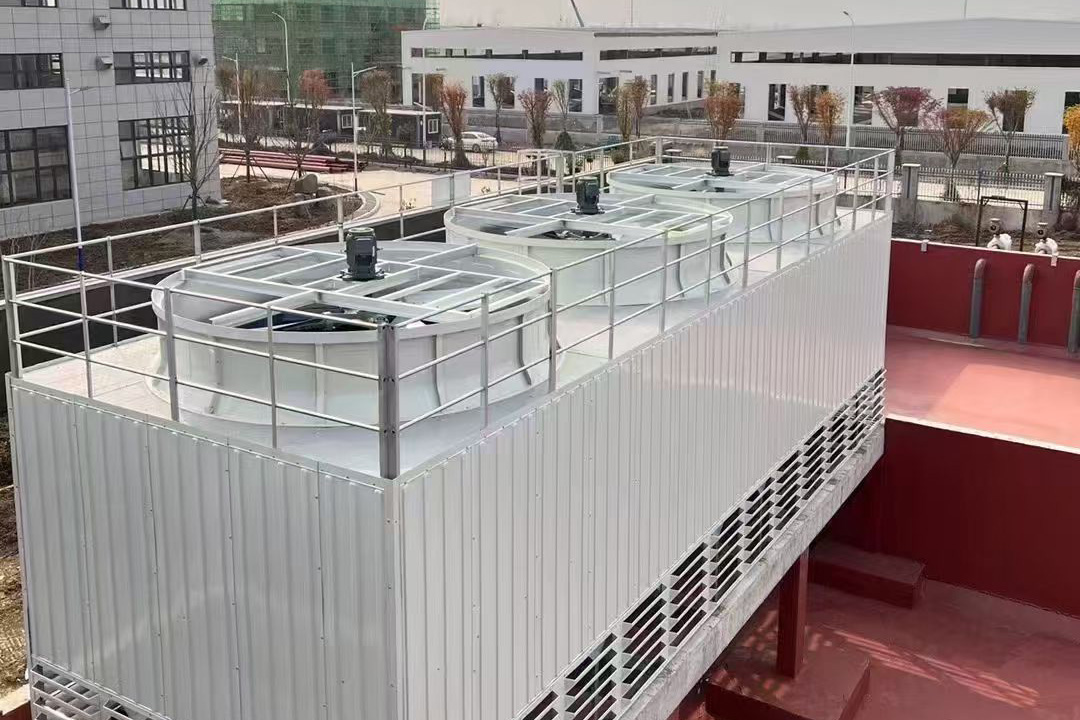
Corrosion-resistant cooling installations engineered for harsh tropical conditions and heavy industrial operations.
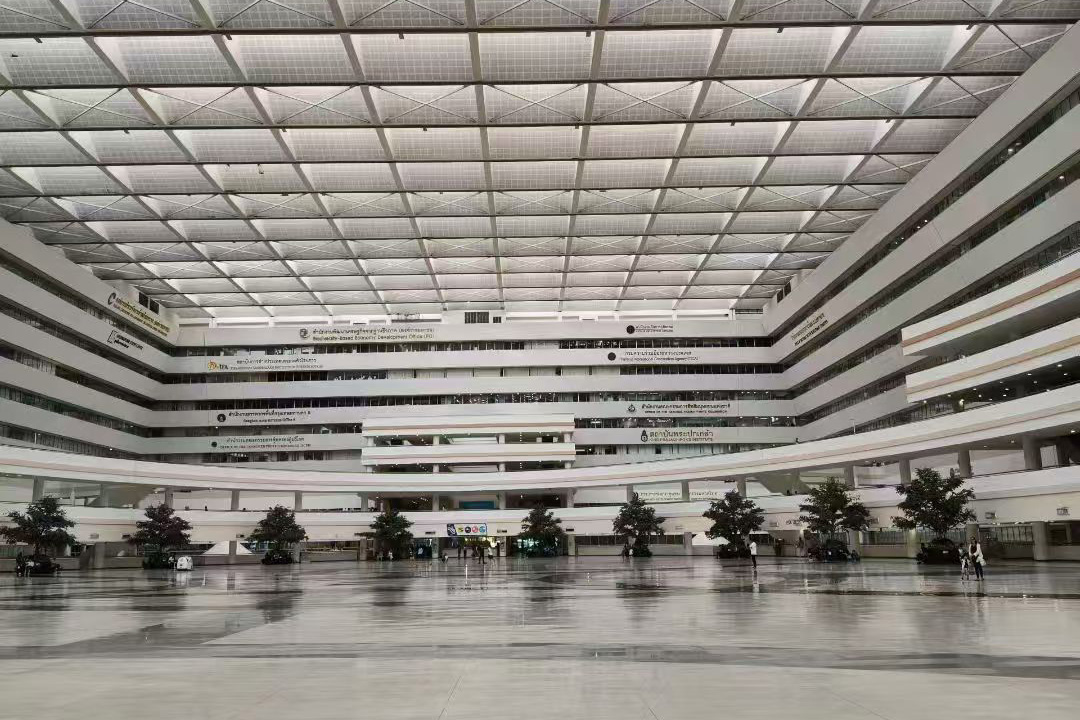
Large-scale commercial ventilation, chilled water management, and balanced inline air distribution across mixed-use parks.
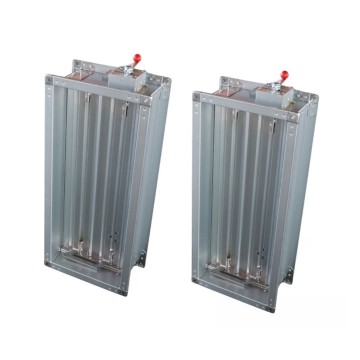
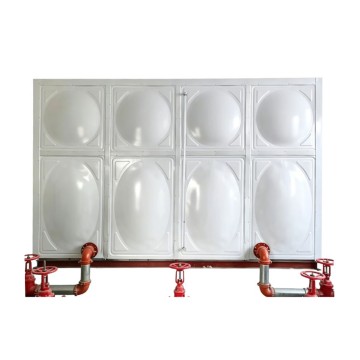
Fengdun Environmental Technology is an original manufacturer of HVAC and ventilation equipment. We independently produce a full range of products including fans, air dampers, water tanks, and cooling towers with factory-direct precision.

Our fan assemblies and components undergo rigorous dynamic balancing (ISO 1940 G2.5) and precision acoustic testing to ensure zero structural resonance.
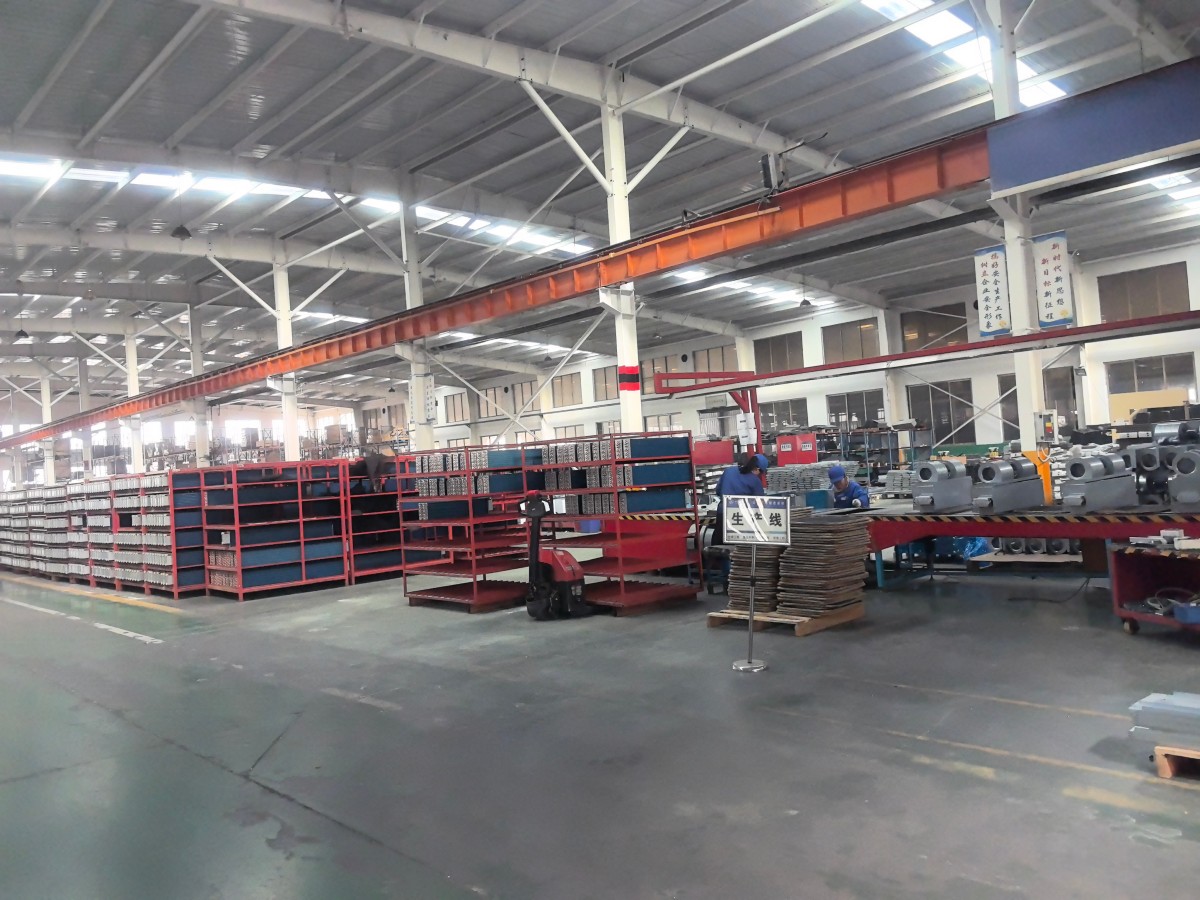

We customize duct collar dimensions, motor voltages (50/60Hz), sound enclosure thicknesses, and fire ratings to match architectural drawings.
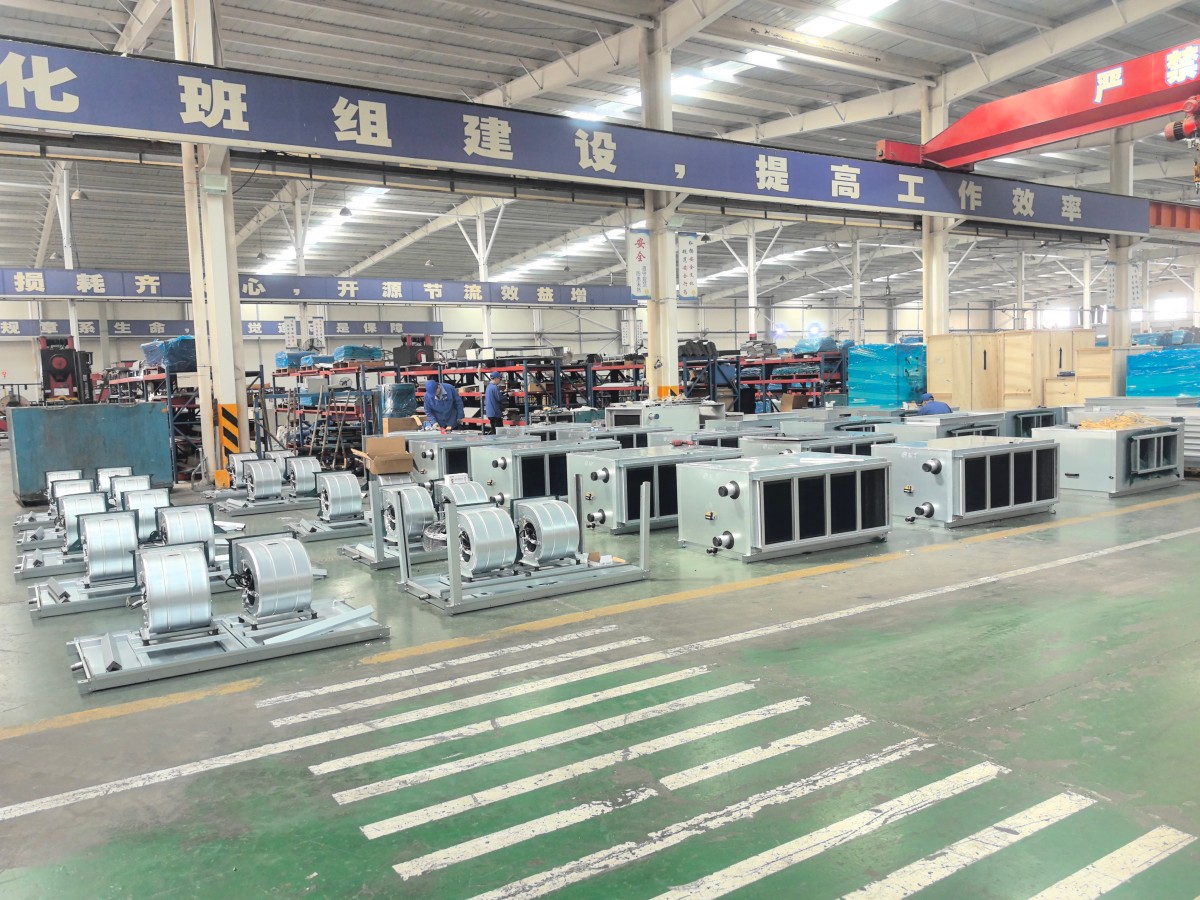
Direct factory supply eliminates intermediary markups. Our export logistics deliver end-to-end support for international MEP contractors.
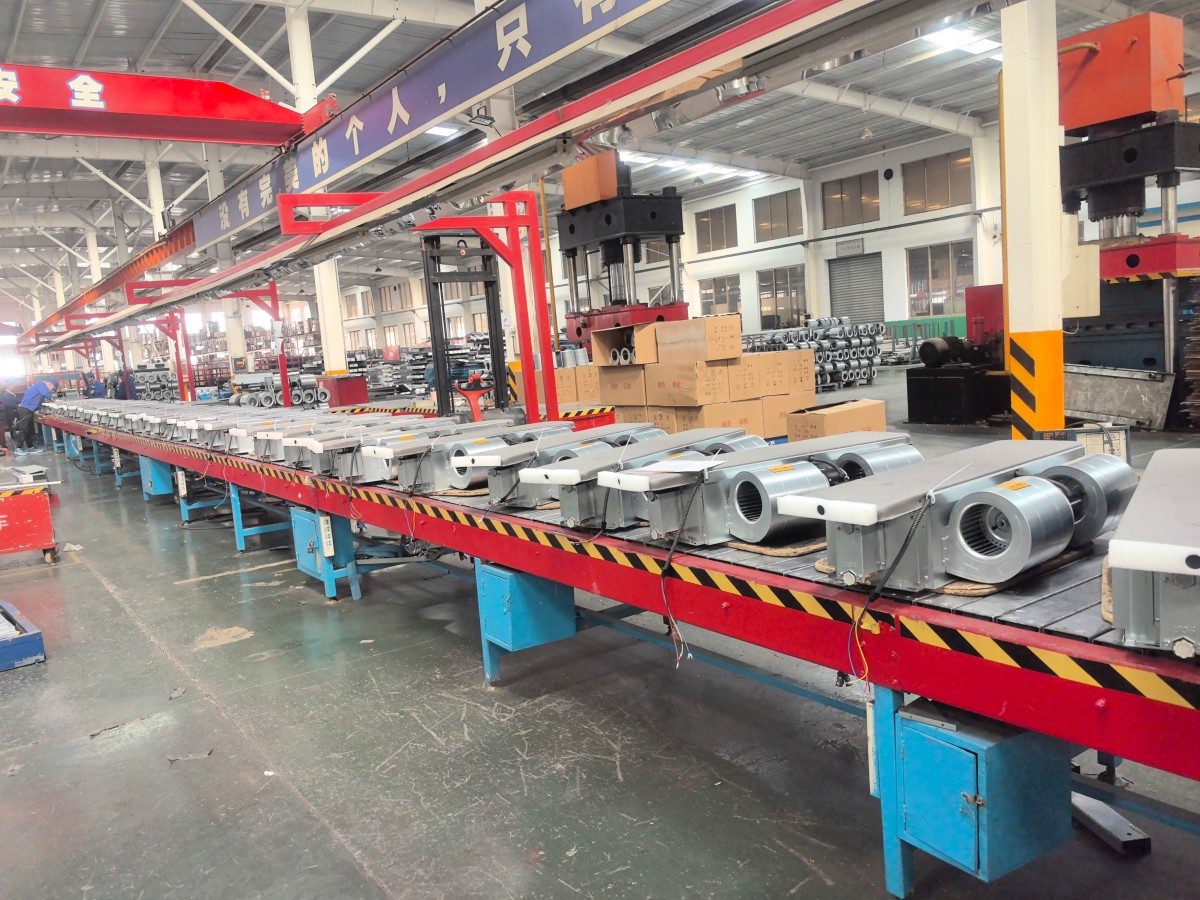
The company adheres to the principles of "development and production simultaneously" and "sales and service simultaneously". Meeting customer requirements is our eternal pursuit.
Showcasing our automated ventilation manufacturing line, laser cutting technology, and aerodynamic testing facility dedicated to high-spec HVAC components and industrial systems.
Explore our comprehensive industrial lineup engineered for acoustic performance, smoke control, heat exchange, and building safety.